
Warehouse Efficiency Optimization System: Maximizing Productivity and Performance
By leveraging advanced systems and data-driven strategies, businesses can transform their warehouse into a high-performance operation.

What Is a Warehouse Efficiency Optimization System?
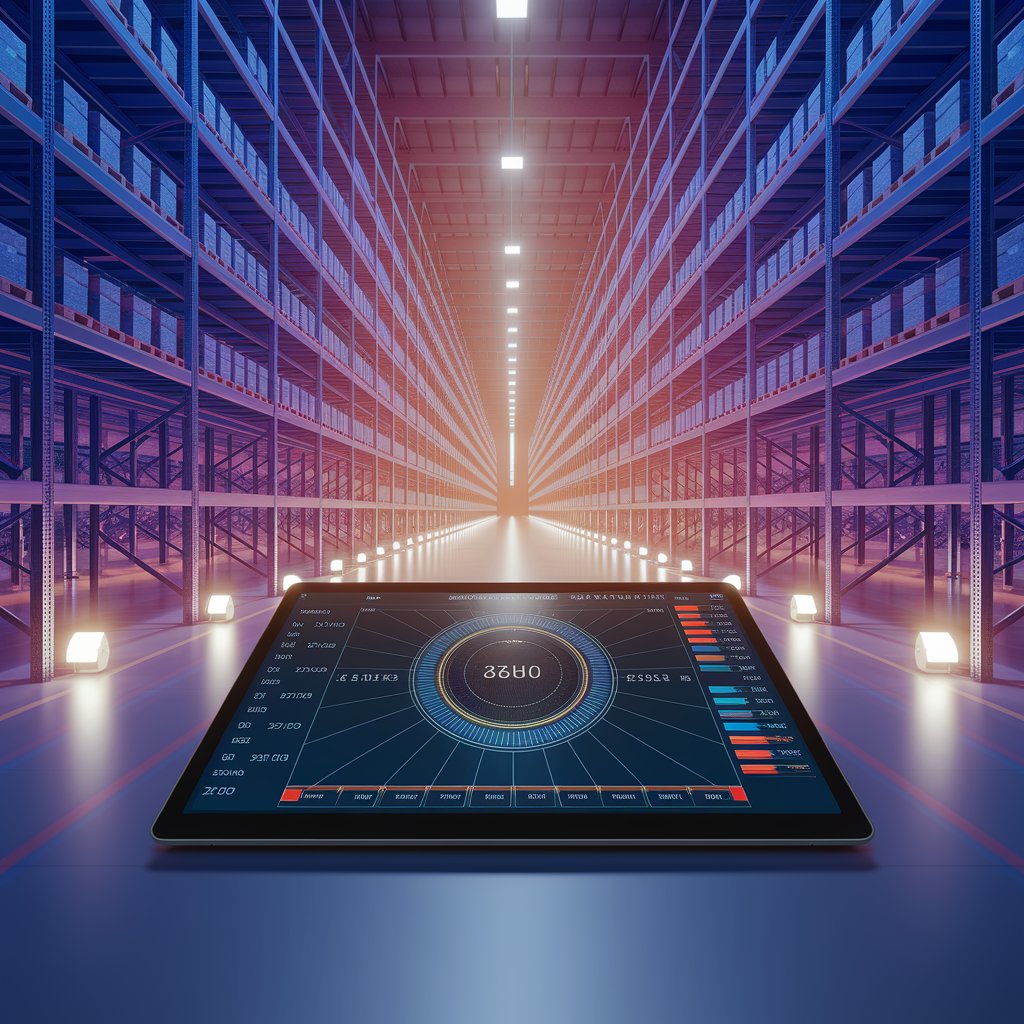
A warehouse efficiency optimization system is a software solution designed to analyze, manage, and improve warehouse operations through automation, data insights, and process optimization.
It helps optimize:
📦 Inventory management
🚶 Picking and packing processes
📍 Storage allocation
🚚 Internal material movement
📊 Operational performance metrics
Instead of relying on manual processes, companies can use technology to continuously improve efficiency.
Why Warehouse Efficiency Matters
Inefficient warehouse operations can lead to delays, errors, and increased costs.
1. Growing Order Volumes
Higher demand requires faster and more accurate fulfillment.
2. Labor Constraints
Companies must do more with limited workforce resources.
3. Cost Pressure
Storage, labor, and handling costs directly impact profitability.

Key Features of Optimization Systems
Modern warehouse efficiency optimization systems provide advanced capabilities.
Intelligent Slotting
Optimize product placement based on:
- Demand frequency
- Size and weight
- Picking patterns
Workflow Automation
Streamline tasks such as:
- Order picking
- Packing
- Inventory replenishment
Real-Time Monitoring
Track warehouse performance and operations as they happen.
Data Analytics
Analyze performance to identify inefficiencies and improvement opportunities.
Benefits of Warehouse Efficiency Optimization
Implementing a warehouse efficiency system delivers measurable results.
Increased Productivity
Faster picking and processing times.
Reduced Operational Costs
Lower labor and storage expenses.
Improved Accuracy
Fewer errors in order fulfillment.
Better Space Utilization
Maximize storage capacity without expansion.

Common Use Cases
These systems are widely used across logistics operations.
Ecommerce Fulfillment Centers
Handle high volumes of orders efficiently.
3PL Warehouses
Manage multiple clients and complex workflows.
Manufacturing Warehouses
Support production with optimized material flow.
How to Implement an Optimization System
To adopt a warehouse efficiency optimization system effectively:
1️⃣ Analyze current warehouse performance
2️⃣ Identify inefficiencies and bottlenecks
3️⃣ Select a suitable optimization platform
4️⃣ Integrate with WMS and other systems
5️⃣ Continuously monitor and improve processes
Conclusion
A warehouse efficiency optimization system is a powerful tool for improving operational performance and reducing costs. By optimizing workflows, enhancing visibility, and leveraging data, companies can create faster, more accurate, and scalable warehouse operations.
Investing in warehouse optimization is essential for staying competitive in modern logistics.