
Linbis Ocean Shipments Software: The Future of Seamless Maritime Logistics
Experience the future of oceanic freight forwarding with Linbis’ advanced Ocean Shipments Software. With powerful tools tailored for both small-scale and large-scale operations, our software ensures streamlined logistics like never before
With Linbis' Shipment Manager, tasks like consolidations or direct shipments become a breeze. Regardless of your destination – inbound or outbound, a few clicks are all you need.
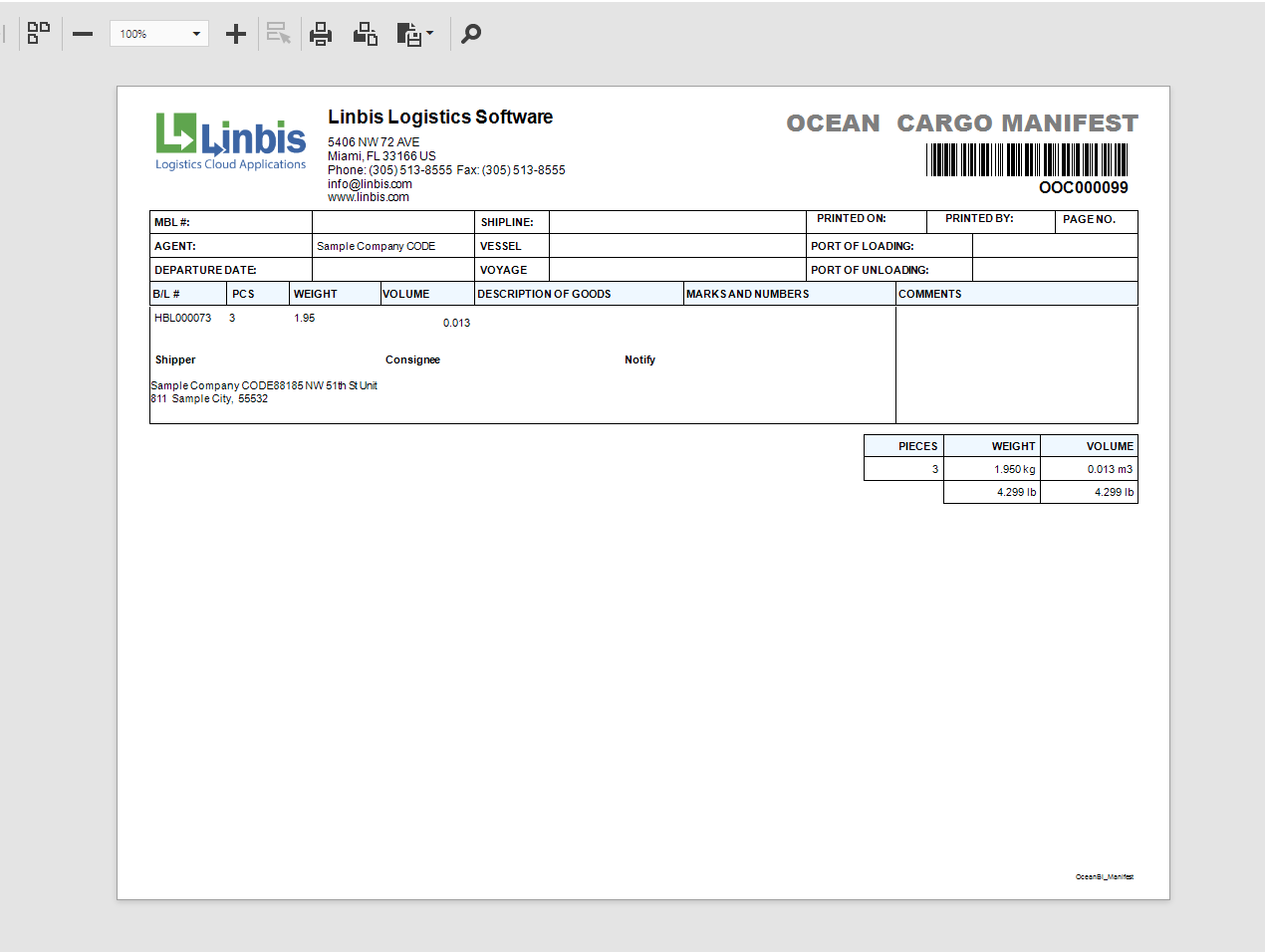
From Bill of Lading, Cargo Manifests, Booking Confirmations to Agent Commissions, our software generates all essential paperwork instantly. This comprehensive approach ensures zero discrepancies in documentation.
Step-by-Step Documentation Production: From booking confirmations to vessel sailing schedules and container load plans, generate required documents in a single step

Effortless Data Management with AI-Powered Automation
Say goodbye to manual data entry. Our cutting-edge AI technology revolutionizes your workflow:
- Intelligent Document Processing: Automatically extract and populate data from:
- Bills of Lading
- Shipping Instructions
- Commercial Invoices
- Packing Lists
- Smart Copy-Paste: Simply copy information from any source, and our AI will intelligently fill all required fields.
- Error Reduction: Minimize mistakes and save countless hours with automated data entry.
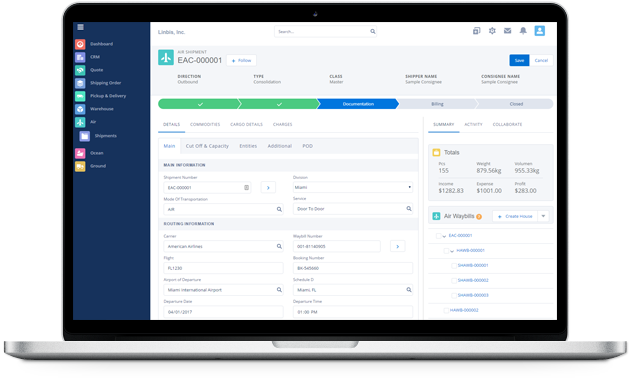
Manage your entire ocean freight process seamlessly:
Streamlined End-to-End Ocean Freight Software
Easily create ocean freight bookings from existing quotes.
Produce multiple shipment documents from a single entry, including:
- Master Bill of Lading
- House Bill of Lading
- Booking Confirmations
- Arrival Notices and more
Effortlessly create and manage master and house shipments for your LCL services.
Enhanced Customer Communication
Keep your clients informed and engaged:
- Automated Notifications: Send timely updates to customers about container status and milestones.
- Document Sharing: Easily share and request documents through our secure platform.
- Customer Portal: Provide clients with a self-service portal for tracking shipments and accessing documents.
Integrated Warehouse and Container Management
Optimize your container utilization and warehouse operations with Linbis ocean freight software is easy:
- Warehouse-to-Ship Integration: Create shipments directly from the warehouse module.
- Intelligent Container Loading: Use our Pick and Pack feature to optimally fill containers.
- Efficient Devanning: Streamline the process of unloading and distributing container contents.
- Container Tracking: Monitor container status in real-time throughout the shipping journey.
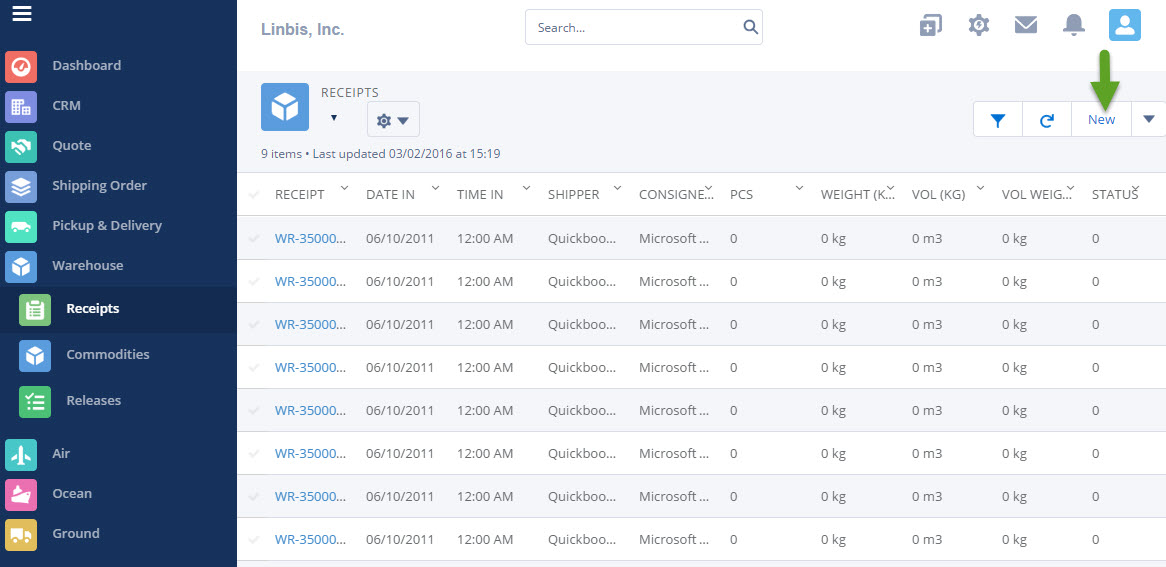
- Pickup Order Management: Create and track pickup orders for containers.
Ocean Freight Software with Powerful Analytics and Reporting
Make data-driven decisions to optimize your operations:
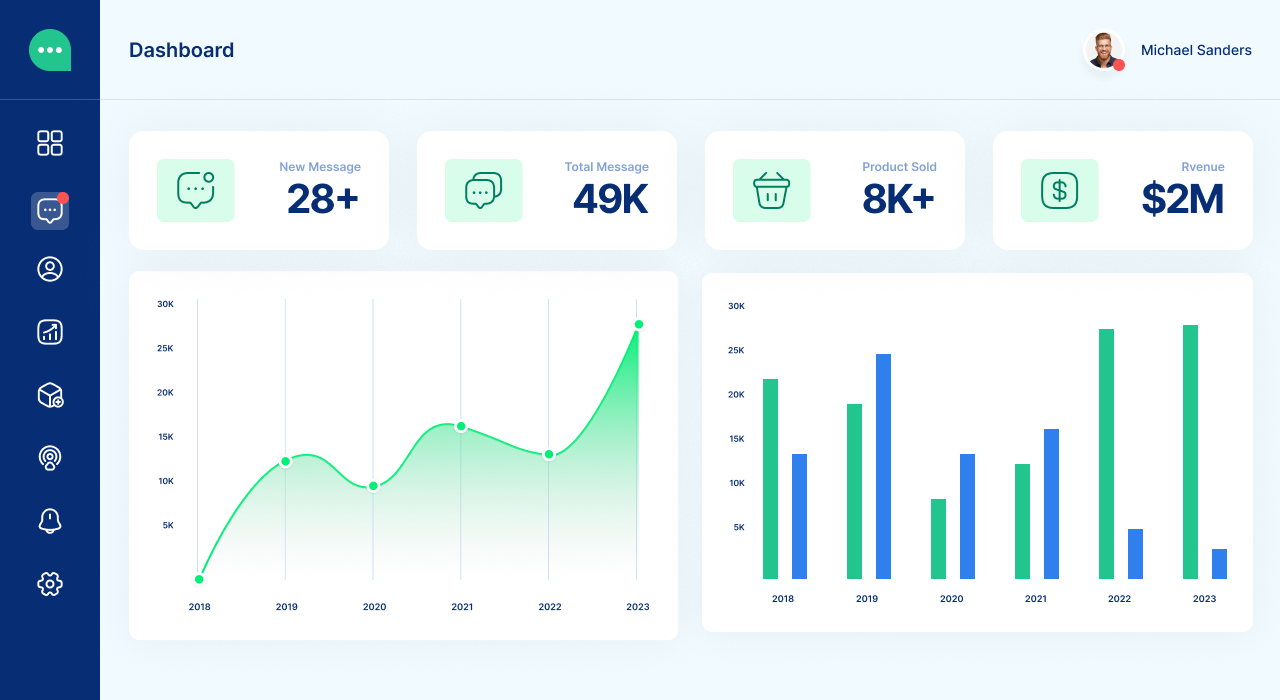
- Custom Reports: Generate detailed reports on shipment performance, profitability, and more.
- Real-Time Dashboards: Access key performance indicators at a glance.
- Trend Analysis: Identify patterns and opportunities to improve your services.
Benefit from our state-of-the-art integration technology that enables smooth data transfer to any open-API software. Stay ahead in the competitive shipping industry by leveraging faster, more accurate data.
Starting from quote creation to ocean freight management, and even warehousing with our WMS, every Linbis module speaks to the other. This seamless interconnection ensures smooth operations from booking to billing.End-to-End Module Integration: Starting from quote creation to ocean freight management, and even warehousing with our WMS, every Linbis module speaks to the other. This seamless interconnection ensures smooth operations from booking to billing.
In the ever-evolving world of freight forwarding, it's essential to have a software solution that's not only robust but also adaptable. Linbis Ocean Shipments Software is tailored to provide just that. With cutting-edge tools, real-time data management, and cloud-based operability, Linbis is your go-to solution for oceanic logistics. Dive into the future of freight forwarding. Dive into Linbis.
Ocean Freight Software with User-Friendly Interface
- Intuitive Navigation: Easily access all features with our user-friendly interface.
- Customizable Workflows: Tailor the system to match your specific operational needs.
- Quick Onboarding: Get your team up and running quickly with minimal training required.
Manage your entire ocean freight process seamlessly:
How Linbis Transforms NVOCC Operations
- Efficiency Boost: Automate repetitive tasks and focus on strategic growth.
- Cost Reduction: Minimize errors and optimize resource allocation.
- Enhanced Customer Service: Provide real-time updates and transparent communication.
- Improved Cash Flow: Faster documentation and billing processes.
- Scalability: Easily handle increased volume as your business grows.
- Compliance: Stay up-to-date with shipping regulations and documentation requirements.
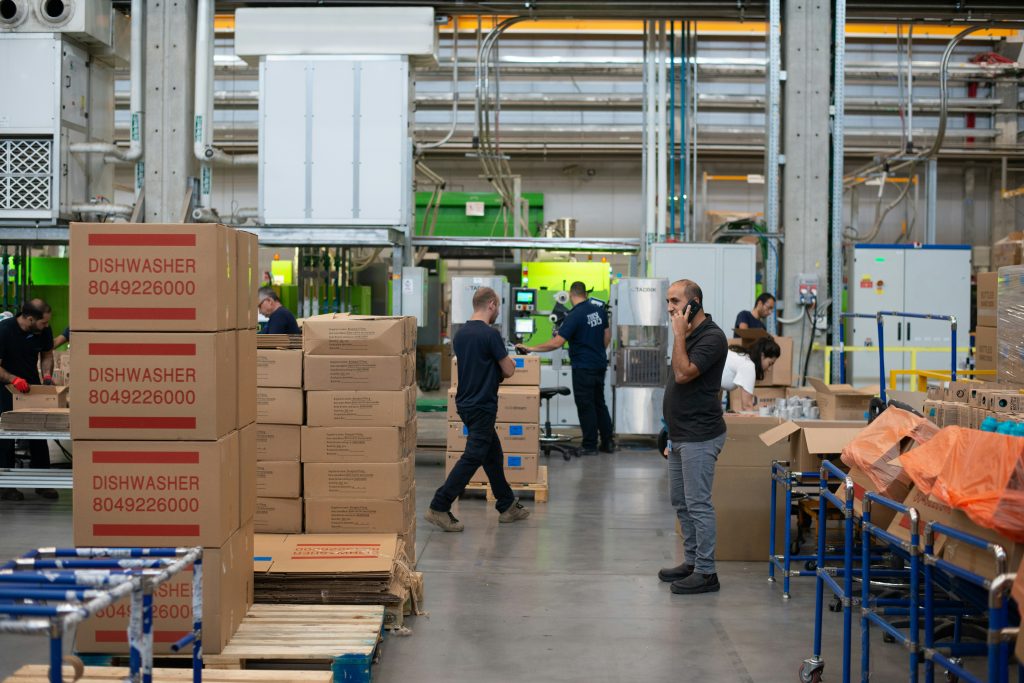
Managing Ocean Freight with Linbis: Streamlining Import and Export for Businesses
In today’s fast-paced global economy, efficient container management is a cornerstone for businesses involved in importing and exporting goods. Linbis optimizes this crucial aspect of your supply chain, transforming complexities into seamless operations.
Managing Multiple Containers
For businesses handling numerous containers, Linbis offers a consolidated dashboard. Manage, track, and organize multiple containers with ease.
Tracking Containers:
Linbis’s advanced tracking system allows businesses to monitor containers in real-time. Be aware of your shipment’s status at every step of the journey.
Warehouse Receiving
Once your containers reach their destination, Linbis assists in streamlining the receiving process into warehouses, ensuring smooth offloading and inventory management.
Why Linbis?
Linbis goes beyond being just a software solution. It integrates with your operations, becoming an intrinsic part of your business’s growth journey. Here’s why businesses trust Linbis:
Seamless Integration: With open-API support, Linbis easily integrates with existing software solutions, ensuring a unified platform for all operations.
Real-time Data: Stay updated with real-time data on shipments, containers, and inventory. Make informed decisions and keep your customers informed.
Cloud-Based Solution: Access Linbis anytime, anywhere. Its cloud-based architecture ensures that you’re always connected to your operations.
Tailored Solutions: Every business is unique. Linbis understands this and offers customized solutions tailored to your specific needs.
Case Studies: Tailored Solutions for Every Business
Who uses Linbis Ocean Freight Software
Situation: A leading distributor faced challenges in coordinating between vendors, tracking containers, and managing warehouse inventory.
Solution with Linbis: Integration with Linbis streamlined their operations. Real-time tracking reduced uncertainties, and automated warehouse management increased efficiency in stocking and order fulfillment.
Outcome: Improved efficiency, reduced operational costs, and enhanced customer satisfaction.
Situation: An importer with a vast global network struggled with inconsistencies in container tracking and inventory management.
Solution with Linbis: Linbis’s comprehensive dashboard offered a consolidated view of all shipments, providing real-time updates. Additionally, the importer could coordinate better with vendors, ensuring timely dispatches.
Outcome: Streamlined imports, timely inventory restocking, and enhanced vendor relationships.
Situation: An NVOCC faced challenges in optimizing shipments, tracking containers, and ensuring timely deliveries.
Solution with Linbis: With Linbis, the NVOCC could optimize shipments based on routes and costs. Real-time tracking and alerts ensured containers were always on schedule.
Outcome: Maximized profits through optimized shipments, improved credibility with timely deliveries, and enhanced client satisfaction.
Why Choose a logistic software like linbis
How Ocean Freight Software Enhance Business Performance
Whether you’re a distributor, importer, or an NVOCC, managing ocean freight is critical to your success. Linbis offers a comprehensive, tailored solution to streamline this aspect, ensuring that from placing an order to receiving goods in your warehouse, every step is efficient and transparent. A complete supply chain software easy to use and flexible for any size company.
In today’s interconnected world, ocean freight plays a pivotal role in global trade. With this immense responsibility comes the need for efficiency and precision. Here’s where ocean freight software steps in, offering transformative solutions that significantly enhance business performance in the logistics sector.
The Need for Ocean Freight Software in Modern Shipping
Managing ocean freight is a complex task, encompassing everything from vessel scheduling to cargo tracking and regulatory compliance. Traditional methods often fall short in handling these complexities, leading to inefficiencies and errors. This is where ocean freight software becomes indispensable. By digitizing and automating processes, it addresses the challenges head-on, bringing a new level of efficiency to the shipping industry.
Key Features of Ocean Freight Software
Ocean freight software comes packed with features designed to streamline the shipping process. Real-time tracking systems allow businesses to monitor their shipments across the globe, providing up-to-date information on location and status. Automated documentation tools significantly reduce the workload and minimize errors in critical paperwork. Additionally, comprehensive logistics management functionalities ensure smoother operations, from warehouse management to transportation scheduling. These features not only save time but also reduce operational costs, making businesses more competitive and responsive.
Benefits of Implementing Ocean Freight Software
The adoption of ocean freight software brings numerous benefits. Firstly, it increases operational efficiency by automating and optimizing various processes. This leads to a significant reduction in manual errors and faster turnaround times. Cost savings are another major advantage, as streamlined operations minimize unnecessary expenses. Perhaps most importantly, it enhances customer satisfaction by ensuring timely deliveries and providing transparent shipment tracking. Businesses equipped with robust ocean freight software are better positioned to meet the demands of the dynamic shipping industry.
Linbis’ Unique Approach to Ocean Freight Software
Linbis stands at the forefront of ocean freight software solutions, offering innovative and tailored services. Unlike one-size-fits-all applications, Linbis’ software is designed with the unique needs of each business in mind. From advanced analytics to customizable workflow options, Linbis provides tools that not only simplify ocean freight management but also empower businesses to scale and adapt in an ever-changing market.
Conclusion: In summary, ocean freight software is no longer a luxury but a necessity for businesses in the shipping industry. By offering real-time tracking, automated documentation, and efficient logistics management software, it plays a critical role in enhancing business performance. Linbis, with its unique and adaptable software solutions, stands ready to help businesses navigate the complexities of ocean freight, ensuring they stay ahead in the competitive world of global trade.
Experience the future of ocean freight management. Dive into Linbis.
For customized solutions and more details, Contact Us today.