
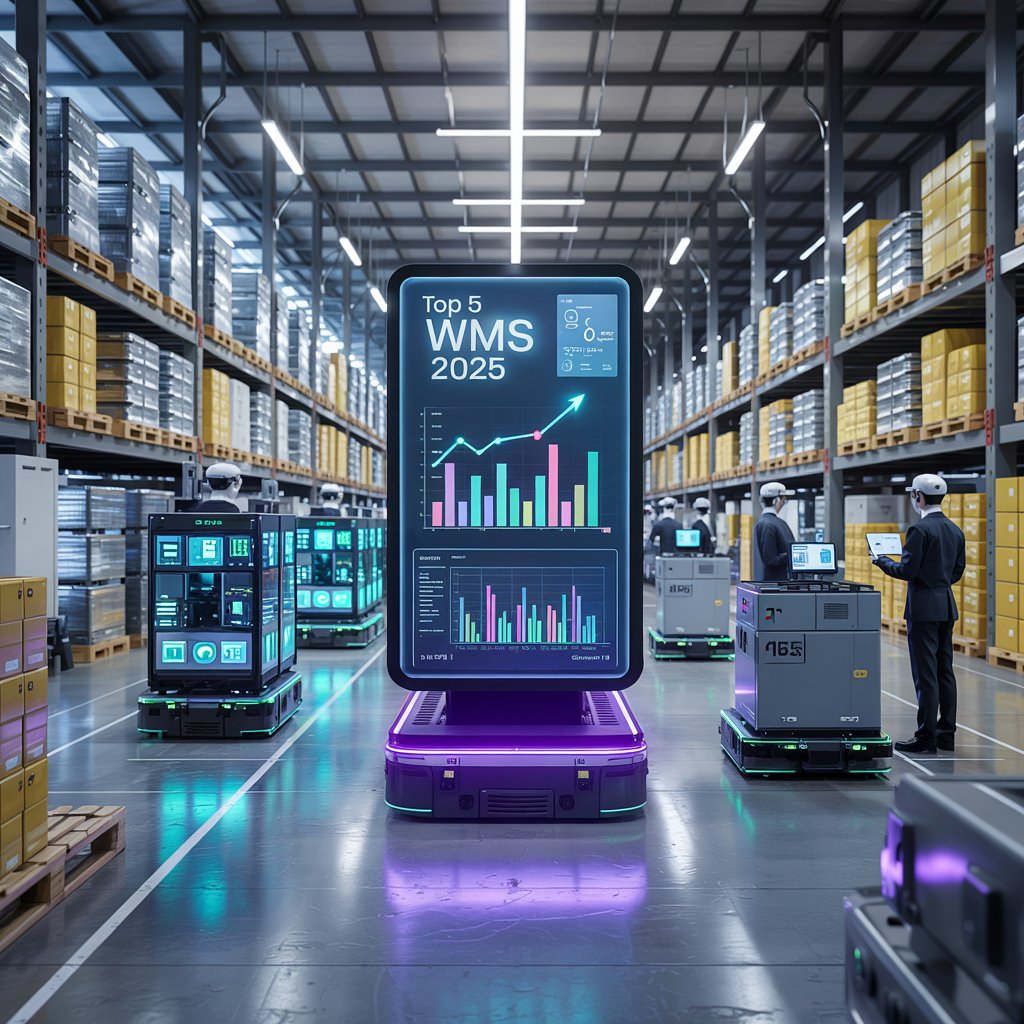
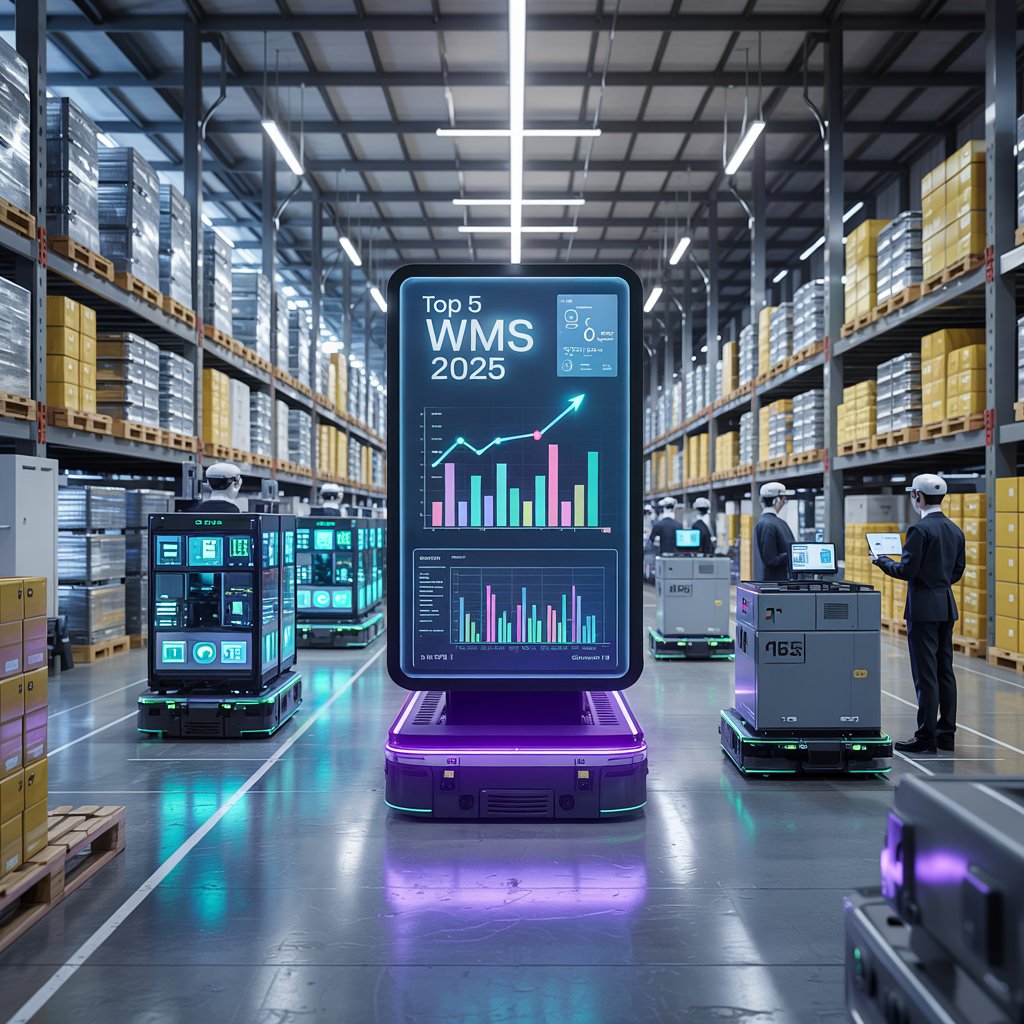
Top 5 Warehouse Management Systems in 2025 (Features & Pricing)

🥇 1. NetSuite WMS (by Oracle)
Best for: Growing enterprises with existing Oracle ERP systems
🔧 Key Features:
- Real-time inventory visibility
- Mobile RF barcode scanning
- Order picking and putaway optimization
- Full integration with NetSuite ERP
💰 Pricing: Starts around $2,000/month (plus implementation and per-user fees)
📌 Pros: Robust ERP integration, excellent reporting tools
📌 Cons: High cost, steeper learning curve
🥈 2. Fishbowl Warehouse
Best for: Small to mid-sized businesses needing QuickBooks integration
🔧 Key Features:
- Inventory control with reorder alerts
- Multi-location warehouse tracking
- Work order and manufacturing module
- Seamless sync with QuickBooks
💰 Pricing: One-time license starts at $4,395 (plus support fees)
📌 Pros: Affordable for SMBs, easy integration
📌 Cons: Desktop-based UI may feel outdated to some users
🥉 3. Softeon WMS
Best for: Complex supply chains and high-volume warehouses
🔧 Key Features:
- Advanced automation rules
- Wave and batch picking
- Labor and yard management modules
- Cloud and on-premise deployment options
💰 Pricing: Custom quote only
📌 Pros: Highly configurable, built for scale
📌 Cons: Requires IT resources for setup and maintenance
🏅 4. Linbis WMS
Best for: Freight forwarders, 3PLs, and logistics teams looking for a lightweight, flexible solution
🔧 Key Features:
- Real-time shipment and inventory tracking
- Customer access portal
- Multilingual & multi-currency support
- Cloud-based with simple onboarding
💰 Pricing: Affordable plans, with monthly and pay-as-you-go options
📌 Pros: User-friendly, fast implementation, ideal for logistics providers
📌 Cons: May not offer deep customization for large-scale enterprises
🏅 5. Infor CloudSuite WMS
Best for: Global businesses and distribution-heavy operations
🔧 Key Features:
- AI-based order planning
- 3D visual warehouse modeling
- Labor forecasting and slotting tools
- Multi-site, multi-channel fulfillment
💰 Pricing: Custom enterprise pricing
📌 Pros: Very powerful for multi-national supply chains
📌 Cons: Requires a significant investment and onboarding time
🧭 How to Choose the Right WMS in 2025
Here are key factors to consider before making your final decision:
Factor | Why It Matters |
📈 Scalability | Will the system grow with your business? |
🔌 Integration | Does it work with your ERP, shipping, or accounting tools? |
🧠 Ease of Use | Can your team adapt quickly? |
📊 Reporting & Analytics | Can you measure what matters? |
💸 Pricing Model | Does it fit your budget and business size? |

✅ Final Thoughts Top warehouse management systems
The right WMS isn’t just about features—it’s about fit. Whether you need advanced automation or just want to get organized quickly, 2025 brings a wide range of powerful options.
Take the time to demo a few platforms, talk to your warehouse team, and prioritize the tools that solve your real operational pain points. A smarter warehouse is just one decision away.