
Retail Logistics Software: Powering Smarter, Faster Retail Supply Chains
This guide explains how retail logistics software works, what features matter most, and how it helps modern retailers compete and scale.
🧠 What Is Retail Logistics Software?
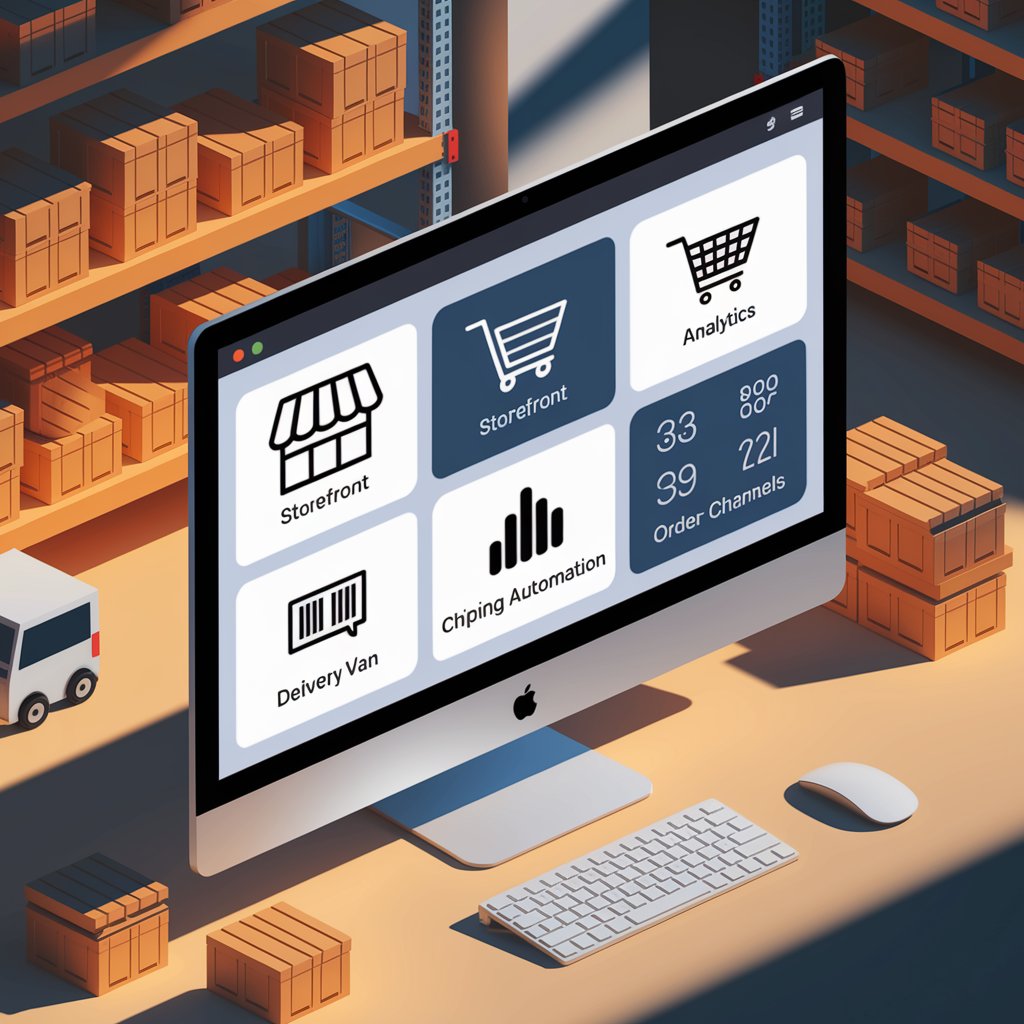
Retail logistics software is a digital solution that helps retail businesses manage the movement of goods from suppliers to warehouses, to stores, and finally to customers.
It combines features like:
- 📦 Inventory management
- 🚚 Order fulfillment
- 🧾 Shipping & returns automation
- 🛒 Omnichannel coordination
- 📊 Analytics and forecasting
Whether you’re a brick-and-mortar chain or an eCommerce brand, retail logistics software keeps your supply chain running smoothly.
🛠️ Key Features of Retail Logistics Software
Feature | Function |
📦 Inventory Tracking | Real-time view of stock levels across locations |
🚚 Shipping Automation | Integrates with carriers to generate labels, schedule pickups, and track |
🔁 Returns Management | Streamlines reverse logistics for online & in-store returns |
🛍️ Omnichannel Sync | Coordinates fulfillment from stores, warehouses, or 3PLs |
📊 Reporting & Forecasting | Predicts demand and optimizes reorder cycles |
🔌 Integrations | Connects to POS, ERP, eCommerce platforms like Shopify, Amazon, or WooCommerce |
🛍️ Why It Matters in Retail
- 🕒 Speed to customer is critical for same-day/next-day delivery expectations
- 📦 Inventory visibility helps avoid stockouts and overselling
- 💸 Cost savings through optimized shipping and warehouse workflows
- 📈 Scalability with multi-location or international retail growth
- 📲 Better customer experience through faster, accurate fulfillment
In short, retail logistics software bridges the gap between operational chaos and customer delight.
🧾 Real-World Use Case
Business: A fast-growing DTC clothing brand
Problem: Inventory errors and missed shipments during sales peaks
Solution: Integrated Linbis with Shopify and FedEx
Results:
- 95% faster fulfillment process
- 99% inventory accuracy
- 40% reduction in shipping costs due to smarter carrier selection
💡 Who Uses Retail Logistics Software?
- 🏪 Physical store chains managing central and local inventory
- 🛒 Online retailers selling across marketplaces
- 🚚 3PLs providing fulfillment services for brands
- 🌐 Omni-channel sellers managing click & collect, curbside, and direct-to-door
- 📦 Dropshippers syncing supplier inventory to customer orders
🧠 Retail Logistics vs. Traditional TMS
Traditional TMS | Retail Logistics Software |
Focuses on B2B freight | Built for B2C and omni-channel |
Limited store-level integration | Connects POS, marketplaces, and stores |
Manual order entry | Automation across every touchpoint |
Often complex and rigid | Cloud-based, intuitive, and scalable |
Retail-focused platforms are designed for speed, flexibility, and real-time insight—critical for consumer satisfaction.
🌟 Top Retail Logistics Software Providers
- Linbis – Modular freight and inventory management with retail features
- ShipBob – eCommerce fulfillment & warehouse automation
- NetSuite ERP – Full retail management with logistics modules
- Logiwa – Cloud warehouse and retail operations
- Zoho Inventory – Lightweight and scalable for small to medium retailers
📈 The Future: AI, Predictive Logistics & Green Shipping
Modern retail logistics software is evolving to include:
- 🤖 AI-powered demand forecasting
- 📲 Mobile warehouse scanning
- 🌿 Carbon tracking for sustainable shipping
- 🧠 Machine learning for carrier and route optimization
Retailers that embrace tech-forward solutions will dominate in convenience, cost, and customer loyalty.
🏁 Final Thoughts
If you’re in retail, you’re in logistics. And the smarter your logistics, the stronger your business.
🛒 Retail logistics software helps brands reduce shipping costs, avoid delays, and deliver experiences that keep customers coming back.
📦 Ready to streamline operations and win the delivery game? Start with the right tech stack.