
Predictive Supply Chain Platform: Using AI to Anticipate Disruptions and Improve Logistics Performance
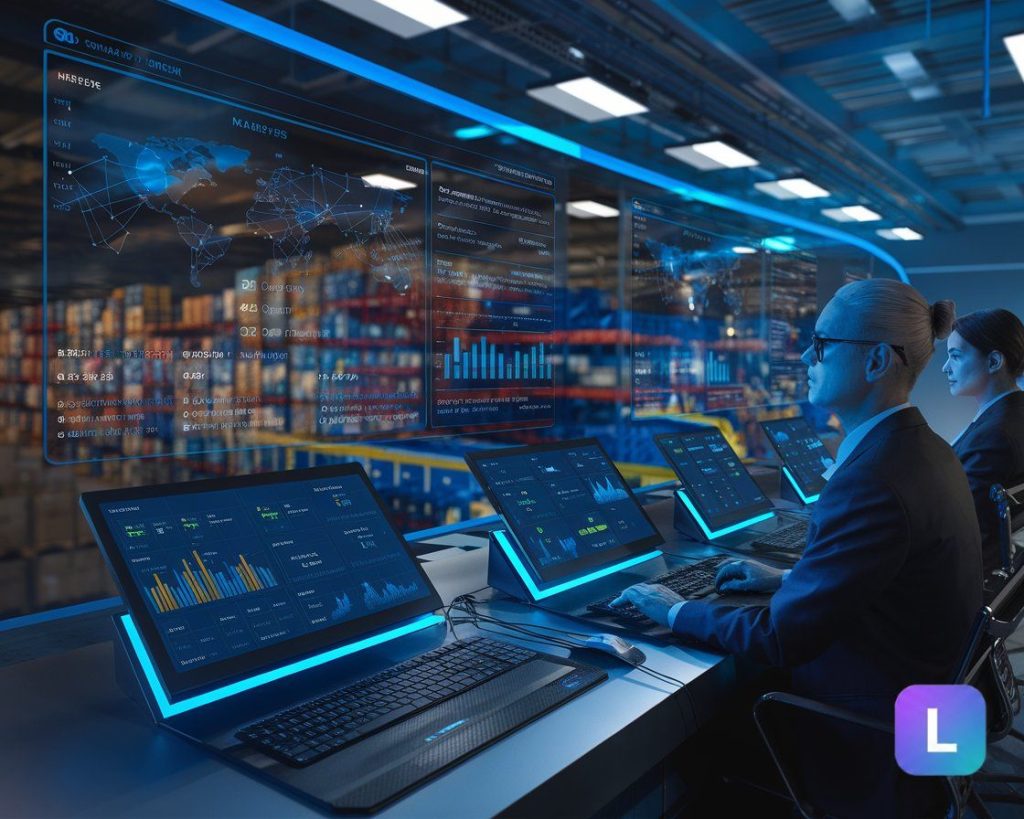
What Is a Predictive Supply Chain Platform?
A predictive supply chain platform is a software solution that uses data analytics, artificial intelligence, and machine learning to forecast future supply chain events and optimize logistics operations.
These platforms help businesses predict:
- 📦 Inventory demand fluctuations
- 🚚 Transportation delays
- 📊 Supply chain disruptions
- ⏱ Delivery performance issues
- 💰 Cost increases and inefficiencies
Instead of relying only on historical reports, companies can use predictive insights to make proactive operational decisions.
Why Predictive Technology Matters in Supply Chains
Modern logistics operations generate massive amounts of data. Without predictive analysis, companies often react too late to operational issues.
Increasing Supply Chain Complexity
Global supply chains involve multiple carriers, suppliers, warehouses, and transportation modes. Predictive systems help businesses manage this complexity more effectively.
Rising Customer Expectations
Customers expect:
- Faster deliveries
- Real-time visibility
- Consistent service levels
Predictive analytics helps companies meet these expectations with greater accuracy.
Need for Risk Reduction
Supply chain disruptions can significantly impact operational costs and customer satisfaction. Predictive tools help identify risks before they escalate.

Key Features of a Predictive Supply Chain Platform
Modern predictive logistics platforms provide advanced tools designed to improve visibility and decision-making.
AI-Powered Forecasting
Use machine learning algorithms to predict:
- Demand trends
- Shipment delays
- Inventory shortages
- Transportation bottlenecks
Real-Time Operational Visibility
Monitor logistics activities continuously across the supply chain.
Predictive Alerts and Notifications
Receive automated warnings about potential disruptions or operational risks.
Advanced Analytics Dashboards
Visualize logistics KPIs, trends, and predictive insights in one centralized platform.
System Integrations
Connect with:
- ERP systems
- Transportation Management Systems (TMS)
- Warehouse Management Systems (WMS)
- Carrier platforms
for complete operational visibility.
Benefits of Using Predictive Supply Chain Software
Implementing a predictive supply chain platform provides measurable operational and strategic advantages.
Improved Decision-Making
Predictive insights help businesses respond faster and make smarter logistics decisions.
Reduced Supply Chain Disruptions
Anticipate issues before they impact operations or customers.
Better Inventory Management
Forecast demand more accurately and optimize stock levels.
Increased Operational Efficiency
Optimize routes, transportation planning, and resource allocation.
Enhanced Customer Satisfaction
Improve delivery reliability and overall service performance.

How Predictive Analytics Improves Logistics Operations
Predictive technology helps logistics companies move from reactive operations to proactive supply chain management.
Businesses can:
- ✅ Predict shipment delays
- ✅ Optimize transportation planning
- ✅ Improve warehouse efficiency
- ✅ Reduce operational costs
- ✅ Increase supply chain visibility
Modern logistics software platforms like Linbis help businesses centralize logistics operations, improve visibility, and support data-driven supply chain management through integrated automation and analytics tools.
Common Use Cases
A predictive supply chain platform is widely used across multiple logistics sectors.
Freight Forwarders
Improve transportation planning and anticipate shipment disruptions.
Ecommerce Companies
Forecast demand spikes and optimize fulfillment operations.
Manufacturing Businesses
Predict material shortages and improve production planning.
Third-Party Logistics Providers (3PL)
Manage operational risks and optimize multi-client logistics workflows.

How to Choose the Right Predictive Supply Chain Platform
Not all predictive logistics systems offer the same capabilities. Businesses should evaluate platforms carefully.
AI and Analytics Capabilities
Choose software with advanced forecasting and machine learning tools.
Real-Time Data Processing
The platform should provide live operational visibility and predictive insights.
Integration Flexibility
Ensure compatibility with existing logistics systems and operational platforms.
Scalability
The solution should support business growth and increasing operational complexity.
User-Friendly Dashboards
Analytics should be easy to understand and actionable for logistics teams.
The Future of Predictive Supply Chain Technology
The logistics industry is rapidly moving toward AI-driven automation and predictive intelligence.
Emerging technologies such as:
- Artificial intelligence
- Predictive analytics
- Digital supply chain twins
- Autonomous logistics systems
are reshaping how businesses manage operations.
Companies adopting predictive platforms early are gaining a competitive advantage through better visibility, faster response times, and more resilient supply chains.
Conclusion
A predictive supply chain platform helps businesses improve operational visibility, reduce disruptions, and make smarter logistics decisions using real-time analytics and artificial intelligence.
As supply chains continue becoming more complex, predictive technology is becoming essential for companies that want to improve efficiency, optimize costs, and maintain a competitive edge.
Modern logistics platforms like Linbis support digital transformation by helping businesses automate workflows, centralize operations, and improve supply chain performance through intelligent logistics management tools.
The logistics industry is rapidly moving toward AI-driven automation and predictive intelligence.
Emerging technologies such as:
- Artificial intelligence
- Predictive analytics
- Digital supply chain twins
- Autonomous logistics systems
are reshaping how businesses manage operations.
Companies adopting predictive platforms early are gaining a competitive advantage through better visibility, faster response times, and more resilient supply chains.