
The Future of Freight Forwarding: AI, Automation & Beyond
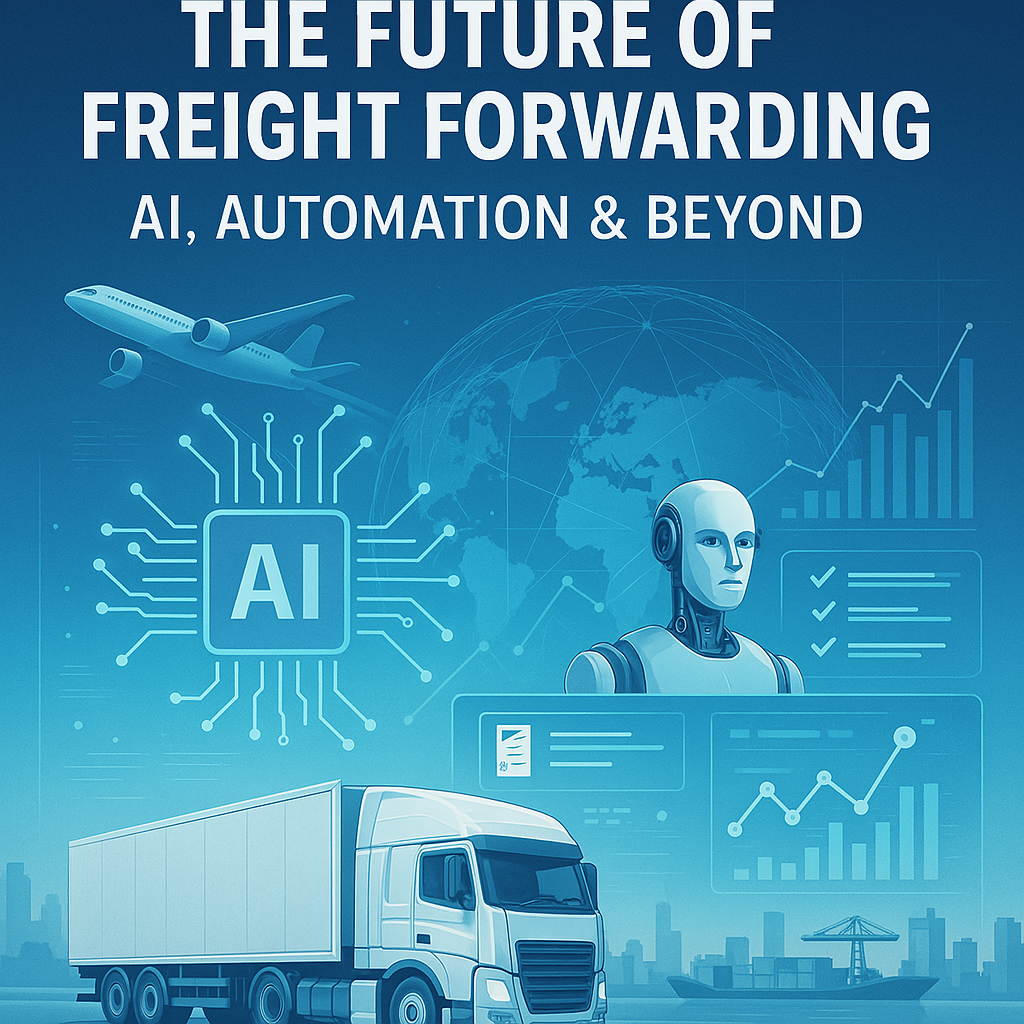
🚀 1. AI Is Replacing Guesswork with Intelligence
Artificial Intelligence (AI) is becoming the brain behind modern freight operations. From predictive analytics to customer service chatbots, AI is enabling:
- 📦 Demand forecasting
- 🚛 Dynamic routing and scheduling
- 💬 Automated communication with clients and partners
- 📊 Risk identification and disruption alerts
AI not only reduces operational overhead — it empowers freight forwarders to make smarter, faster decisions across the board.
⚙️ 2. Automation Is Eliminating Repetition
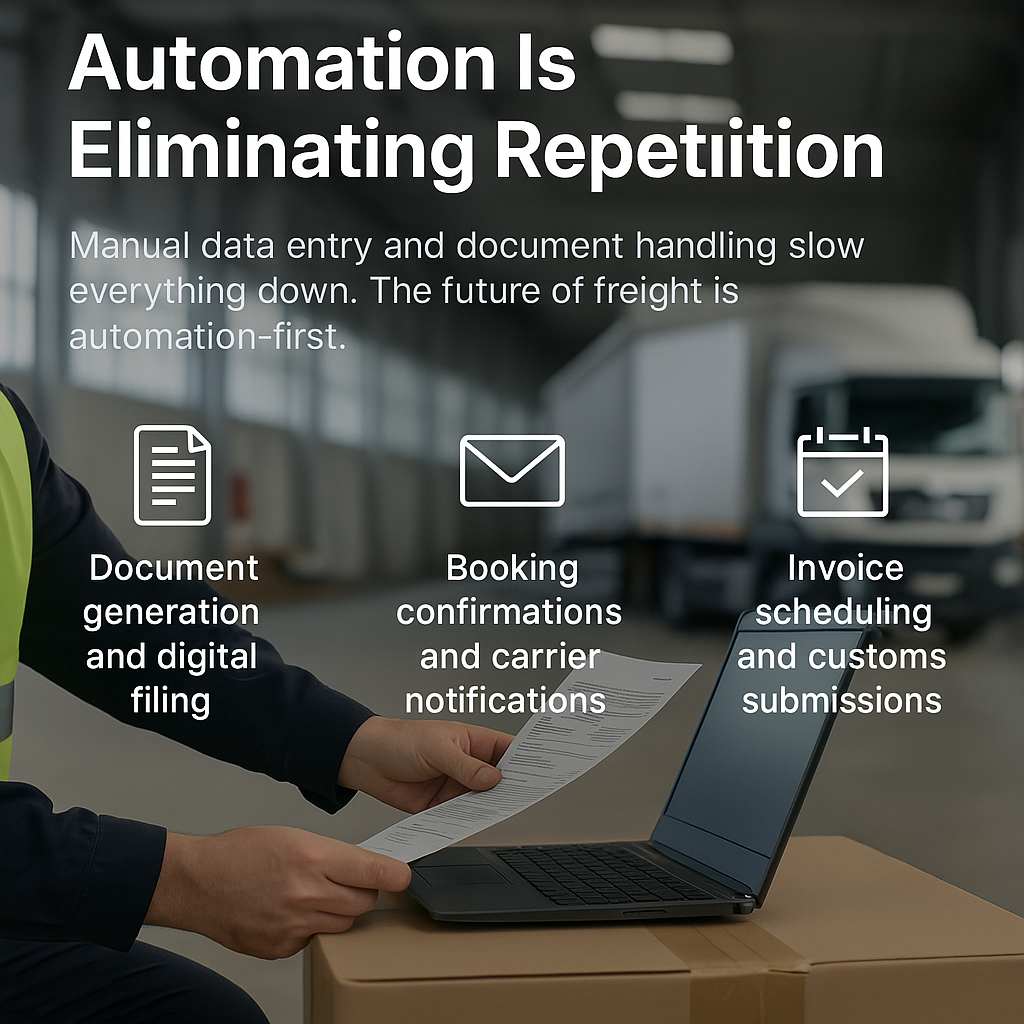
Manual data entry and document handling slow everything down. The future of freight is automation-first. Key areas being automated include:
- 🧾 Document generation and digital filing
- 📤 Booking confirmations and carrier notifications
- 📅 Invoice scheduling and customs submissions
📉 Less human error, more efficiency.
🌐 3. Connected Platforms Will Power the Industry
The next decade of freight will be driven by platform thinking — integrated systems that unify:
- Freight management
- Customs compliance
- Warehouse and inventory tools
- Accounting, CRM, and ERP systems
Instead of siloed workflows, freight forwarders will thrive through seamless data exchange and real-time collaboration with clients and partners.
📲 4. Mobile-First, Cloud-Based Logistics
Remote work and global trade demand anywhere-anytime access. Freight forwarders are shifting to:
- Mobile freight management apps
- Cloud-based dashboards for shipment visibility
- Real-time team collaboration from port to warehouse
🌐 The future is flexible and on-the-go.

♻️ 5. Sustainability Will Be Built Into Every Shipment
Carbon reporting, ESG compliance, and sustainable shipping practices are no longer optional. Freight forwarders will use:
- 🧮 Carbon footprint calculators
- ♻️ Route optimizers to reduce emissions
- 🌱 Automated reporting to comply with regulations
Sustainable logistics will be built-in, not bolted-on.
🤖 Bonus Trend: Blockchain and Smart Contracts
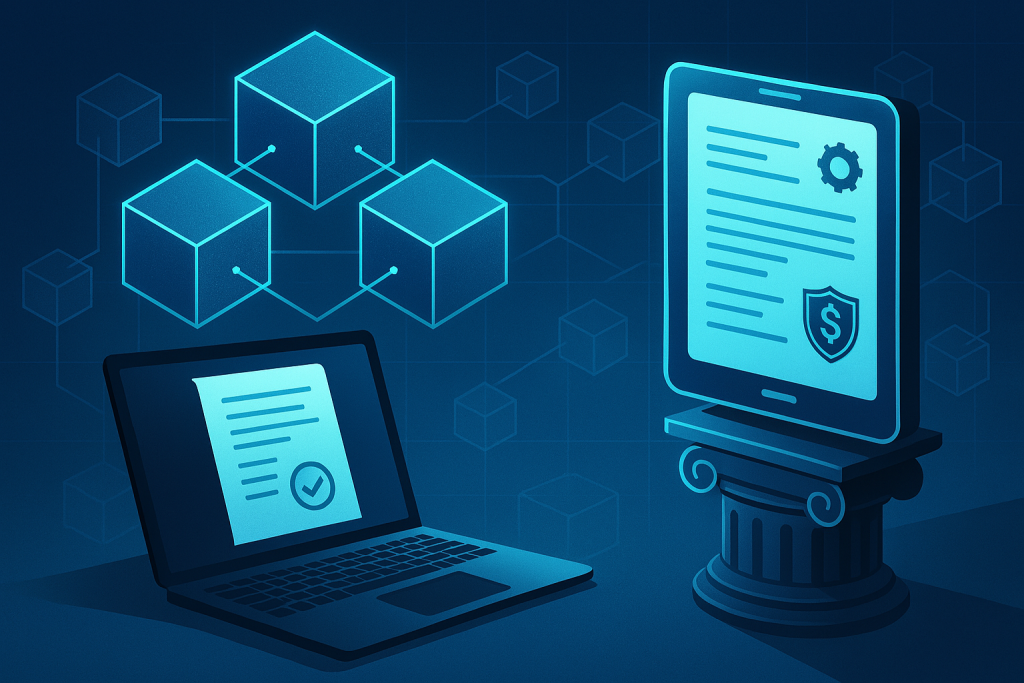
As trade becomes more digitized, blockchain-based solutions will play a larger role in:
- Secure document verification
- Fraud prevention
- Real-time asset tracking
- Smart contracts for freight payment automation
🔐 Trust and transparency at global scale.
🧠 The Role of Smart Freight Software
The freight forwarders of tomorrow will rely heavily on freight platforms that adapt to this transformation. Software like Linbis enables:
- AI-assisted routing and automation
- Centralized shipment visibility
- Seamless digital document handling
- Real-time collaboration across the supply chain
💡 Tech-savvy freight forwarders will win by doing more — with less time and fewer resources.
📈 Conclusion: Future-Ready Forwarding Starts Today
The future of freight forwarding is fast, connected, intelligent — and already happening. With the right technologies, forwarders can:
- Stay ahead of disruption
- Delight clients with speed and transparency
- Scale operations globally
- Deliver sustainable, data-driven results
✨ Don’t just react to the future — lead it.