
Digital Logistics Operations Platform: Centralizing and Optimizing Supply Chain Execution
Instead of using disconnected tools, organizations can unify their operations and gain full control over logistics performance.
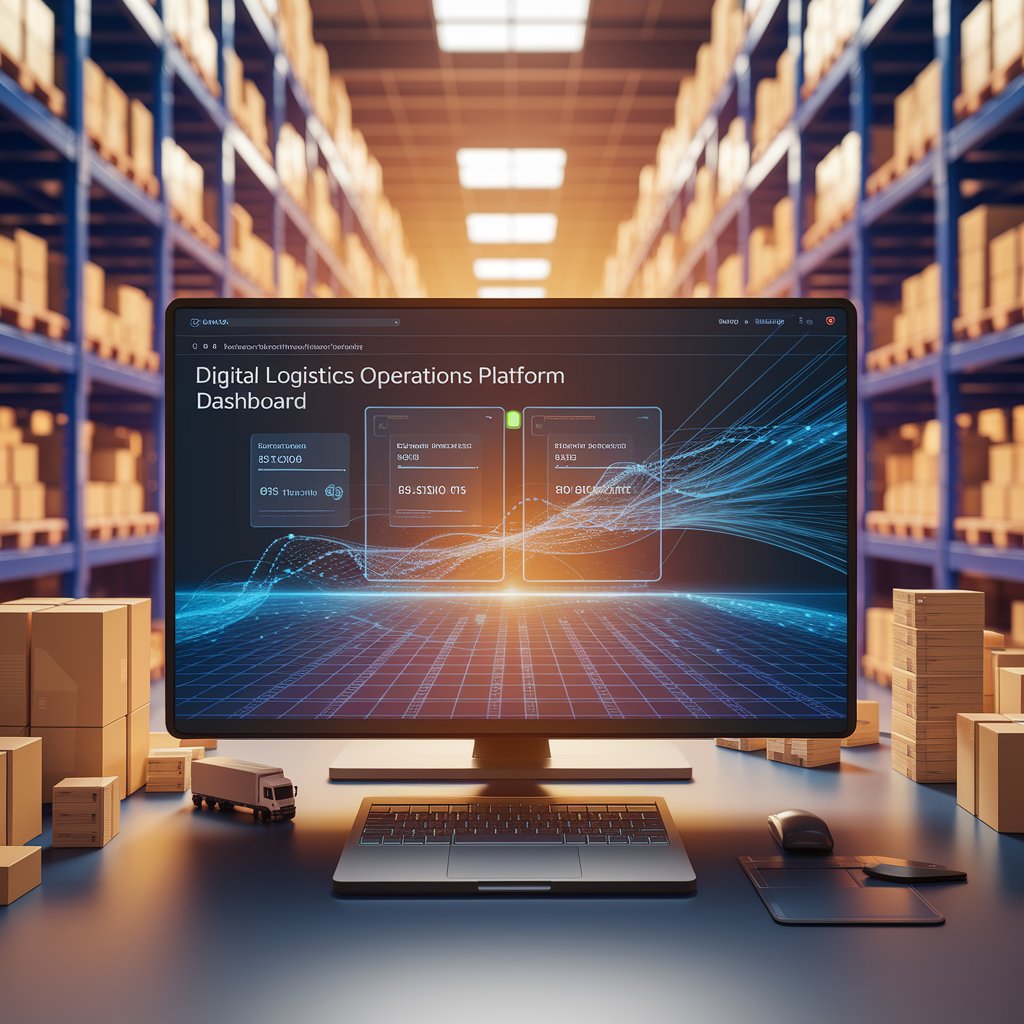
What Is a Digital Logistics Operations Platform?
A digital logistics operations platform is a cloud-based solution that integrates multiple logistics functions into one unified system, allowing businesses to manage end-to-end operations efficiently.
It typically covers:
📦 Order and shipment management
🚚 Transportation planning and execution
📊 Real-time tracking and analytics
🤖 Workflow automation
🔗 Integration with logistics systems
The platform acts as the operational core of modern logistics.
Why Digital Platforms Matter in Logistics
Traditional logistics systems are often fragmented, leading to inefficiencies and lack of visibility.
1. Centralized Operations
A single platform allows companies to:
- Manage all logistics processes
- Eliminate system silos
- Improve coordination
2. Real-Time Visibility
Gain instant access to:
- Shipment status
- Inventory levels
- Operational performance
3. Scalability
Digital platforms enable businesses to grow without increasing complexity.

Key Features of Digital Logistics Platforms
Modern digital logistics operations platforms offer advanced capabilities.
End-to-End Process Management
Handle logistics workflows from order creation to final delivery.
Automation and Workflow Optimization
Automate repetitive tasks such as:
- Order processing
- Shipment coordination
- Documentation
Data Integration
Connect with:
- ERP
- TMS
- WMS
For seamless operations.
Advanced Analytics
Monitor KPIs and performance metrics in real time.
Benefits of Using a Digital Logistics Platform
Adopting a digital logistics platform provides strong advantages.
Increased Efficiency
Streamline operations and reduce manual work.
Improved Decision-Making
Access real-time data for faster and better decisions.
Cost Reduction
Optimize resources and eliminate inefficiencies.
Enhanced Customer Experience
Provide accurate updates and faster service.

Common Use Cases
These platforms are widely used across industries.
Freight Forwarders
Manage shipments, documentation, and communication.
3PL Providers
Coordinate complex logistics operations across multiple clients.
Ecommerce Businesses
Streamline fulfillment and delivery processes.
How to Implement a Digital Logistics Platform
To successfully adopt a digital logistics operations platform:
1️⃣ Assess current systems and workflows
2️⃣ Identify integration and automation needs
3️⃣ Select a scalable cloud-based solution
4️⃣ Integrate with existing systems
5️⃣ Monitor performance and optimize continuously

Conclusion
A digital logistics operations platform is essential for companies looking to modernize their supply chain and improve operational efficiency. By centralizing processes, enabling automation, and providing real-time insights, these platforms empower businesses to operate smarter and faster.
Digital transformation in logistics starts with a unified platform.