
Freight Forwarder Automation Software: Streamlining Modern Freight Operations
By integrating transportation systems, documentation workflows, and financial tools, freight forwarder automation software allows teams to focus on strategic logistics management instead of manual administrative tasks.

What Is Freight Forwarder Automation Software?
Freight forwarder automation software is a digital platform designed to automate core freight forwarding processes, from booking and documentation to tracking and invoicing.
Unlike traditional systems that rely heavily on manual coordination, this software connects:
- Transportation Management Systems (TMS)
- Warehouse Management Systems (WMS)
- Carrier APIs and EDI integrations
- Shipment tracking platforms
- ERP and accounting systems
This integration ensures that logistics workflows are synchronized and executed automatically.
Why Freight Forwarder Software Matters in 2026
Freight forwarders today face increasing operational complexity due to:
- Growing shipment volumes
- Multimodal transportation coordination
- Expanding documentation requirements
- Customer demand for real-time visibility
- Pressure to reduce operational costs
Freight forwarder automation software helps organizations manage these challenges by simplifying workflows and improving operational efficiency.
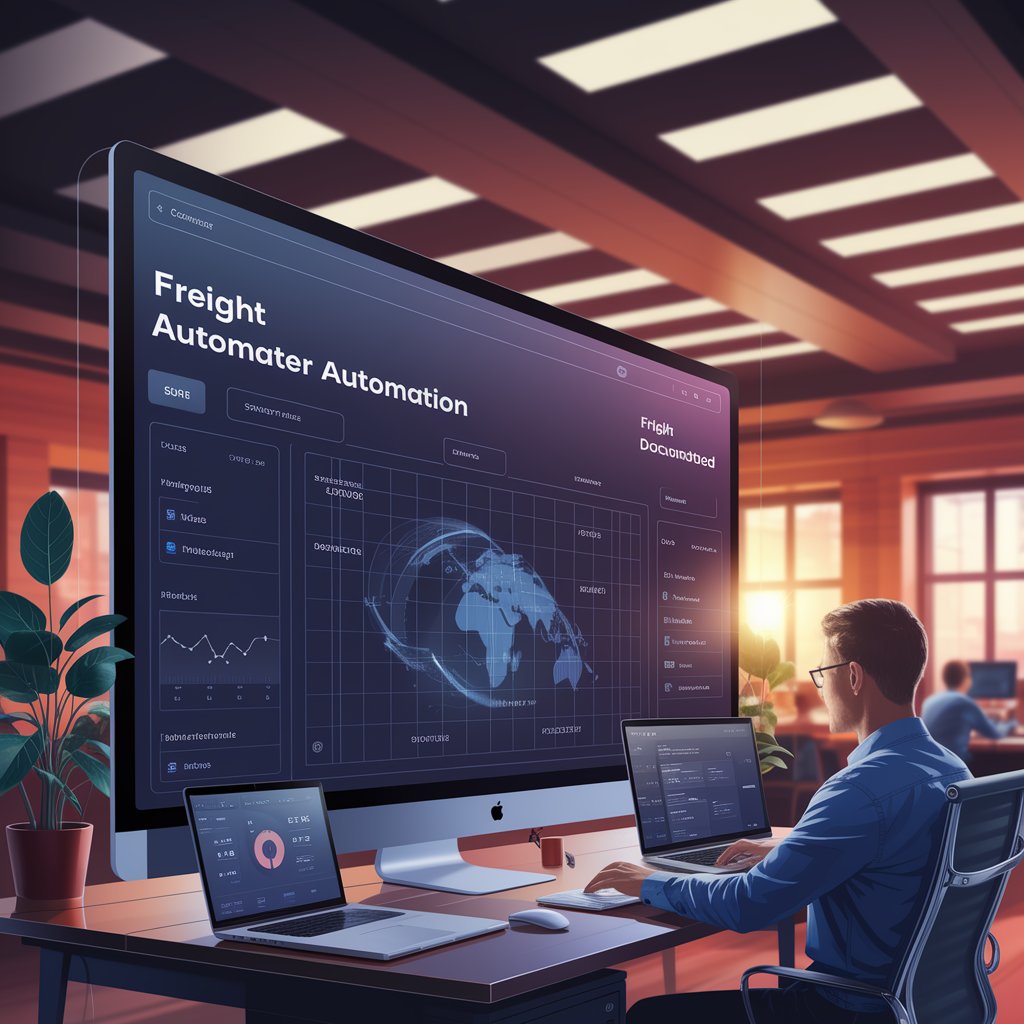
Core Capabilities
1️⃣ Automated Shipment Processing
Creates shipments, assigns carriers, and generates documentation automatically.
2️⃣ Digital Documentation Management
Automates the creation and processing of bills of lading, invoices, and customs documents.
3️⃣ Real-Time Shipment Visibility
Provides centralized dashboards to track freight movements.
4️⃣ Workflow Automation
Triggers approvals, notifications, and billing processes.
5️⃣ Performance Analytics
Tracks operational KPIs such as delivery times, shipment costs, and service reliability.
Benefits of Freight Forwarder Automation
- Reduced manual administrative work
- Faster shipment processing
- Improved data accuracy
- Better operational visibility
- Lower operational costs
- Increased scalability for growing freight operations
Automation enables freight forwarders to operate more efficiently and respond quickly to changing logistics demands.

Freight Forwarder Automation vs Manual Operations
Manual Freight Forwarding Processes | Freight Forwarder Automation |
Manual data entry | Automated workflow execution |
Disconnected systems | Integrated logistics platform |
Higher risk of operational errors | Improved accuracy and consistency |
Slow documentation processing | Automated document generation |
Limited operational visibility | Centralized performance dashboards |
Automation transforms traditional freight forwarding into a streamlined digital process
Who Benefits Most?
- Freight forwarding companies
- 3PL providers
- Transportation brokers
- Global trade organizations
- Logistics service providers
Any organization handling high volumes of international shipments can benefit from workflow automation.

Implementation Considerations
To implement freight forwarder automation software successfully:
- Integrate operational systems such as TMS and ERP platforms.
- Standardize shipment and documentation data.
- Define workflow automation rules.
- Train staff on automated logistics processes.
- Continuously monitor operational performance metrics.
Conclusion
Freight forwarder automation software enables logistics providers to simplify complex freight operations, reduce manual tasks, and improve service reliability.
By automating key workflows and integrating operational systems, companies gain greater efficiency, transparency, and scalability.
In 2026, freight forwarder automation software is becoming a key technology for modern freight forwarding operations.