
TMS System: The Backbone of Modern Transportation Logistics
Whether you're a freight broker, 3PL, or shipper, understanding how a TMS works—and why it matters—can transform your operations.
💡 What Is a TMS System?
A TMS (Transportation Management System) is software that helps businesses plan, execute, and optimize the movement of goods.
A TMS system typically includes:
- 🚛 Carrier rate comparison and booking
- 📦 Freight tracking and dispatch
- 📑 Load planning and documentation
- 🧾 Invoicing, billing, and cost control
- 📊 Analytics and performance dashboards
- 🔗 Integration with WMS, ERP, and CRM tools
It acts as the digital control tower for your transportation logistics.
📈 What Problems Does a TMS Solve?
Problem | How TMS System Helps |
Manual rate shopping | Shows live carrier rates and books instantly |
Lack of visibility | Provides real-time GPS and status updates |
Delayed billing and errors | Automates documents and freight auditing |
Poor route planning | Optimizes routes and consolidates shipments |
Disconnected tools | Centralizes all freight data in one place |
A good TMS reduces costs, boosts efficiency, and delights customers.

🔧 Core Features of a TMS System
✅ Carrier Management – Set up multiple carriers, lanes, and rate rules
✅ Freight Booking – Book LTL, FTL, or ocean shipments in one platform
✅ Shipment Visibility – Track status, ETAs, and exceptions in real time
✅ Document Automation – Generate BOLs, PODs, customs docs, and invoices
✅ Analytics & KPIs – Visualize freight costs, carrier performance, and more
✅ APIs & Integration – Sync with WMS, CRM, ecommerce, and accounting
These tools reduce phone calls, spreadsheets, and chaos.
🚀 Who Uses TMS Systems?
- 🔹 Freight brokers & 3PLs – To scale operations and manage hundreds of loads
- 🔹 Shippers – To reduce transportation costs and track delivery performance
- 🔹 Carriers – To optimize fleet utilization and offer visibility to clients
- 🔹 Retailers & eCommerce brands – To automate fulfillment and last-mile delivery
TMS systems work for startups or enterprise supply chains alike.
🏆 Top TMS Systems in 2025
Platform | Strengths | Ideal For |
Linbis TMS | Freight + CRM + document automation | Brokers, forwarders, 3PLs |
Project44 | Real-time visibility + API integrations | Shippers & enterprises |
AscendTMS | Affordable, easy-to-launch TMS | Small brokers & carriers |
Oracle TMS | Enterprise-grade routing + analytics | Large-scale logistics |
Transporeon | Carrier network + European market strength | EU shippers & hauliers |
Choose based on volume, budget, and integration needs.
📊 Key Benefits at a Glance
Benefit | Business Value |
💰 Lower Freight Costs | Shop best rates instantly |
⏱️ Time Saved | Automate loads, docs, and tracking |
📡 Real-Time Visibility | See every shipment in motion |
📄 Compliance & Accuracy | Avoid human errors in paperwork |
📈 Scalable Operations | Handle more loads with fewer resources |
A TMS system is your gateway to efficient, modern logistics.
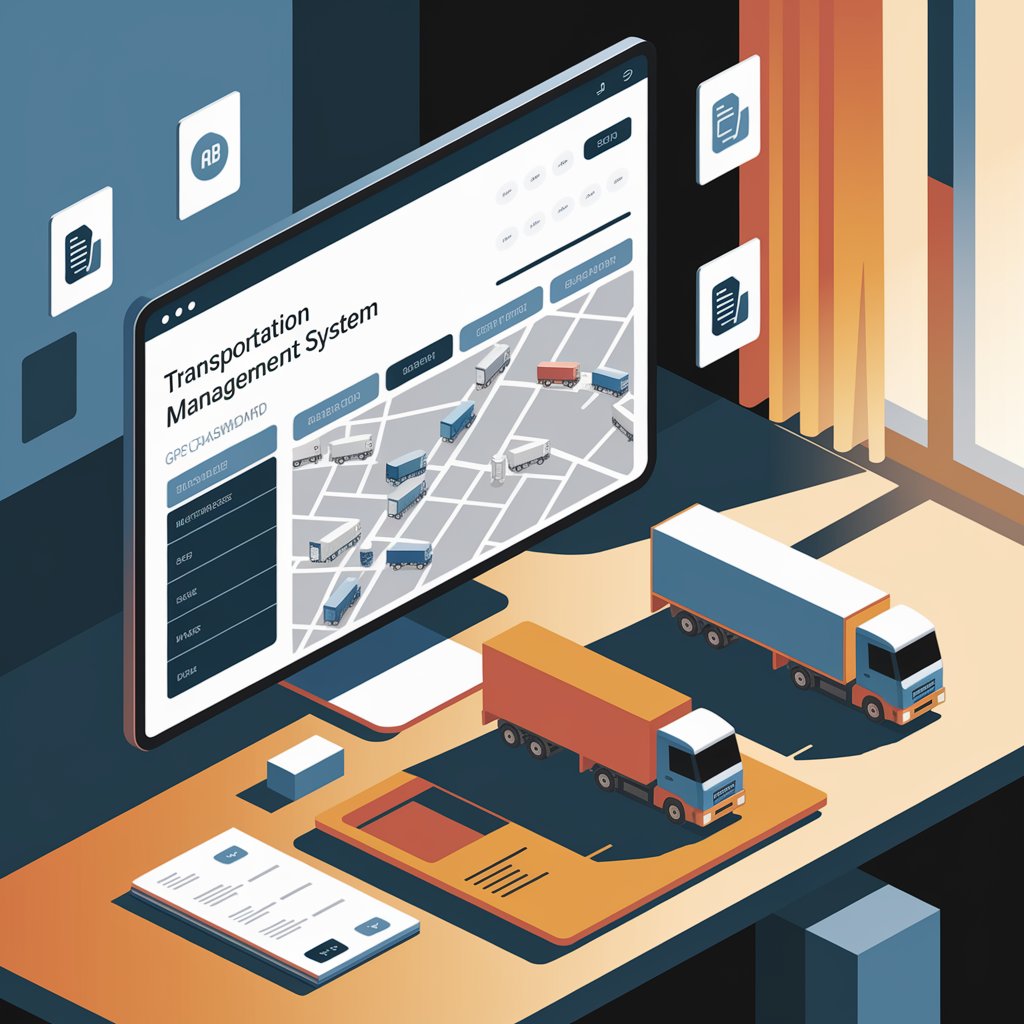
🧠 How to Choose the Right TMS
When selecting a TMS system, ask:
- Does it support the modes I ship (LTL, FTL, ocean, air)?
- Can it integrate with my ERP, WMS, or accounting software?
- Is it user-friendly for ops teams and drivers?
- Are reporting tools robust and customizable?
- Does it support multi-language/multi-currency if needed?
Invest in the platform that meets both today’s needs and tomorrow’s growth.
🏁 Final Thoughts
In 2025, logistics success depends on digital tools—and a TMS system is at the core. From route planning to real-time visibility, it connects every piece of your transportation puzzle.
📦 Ready to stop guessing and start optimizing? It’s time to power your logistics with a TMS system that delivers.