
Sustainable Freight Management Software: Reducing Emissions While Improving Efficiency
By implementing sustainable freight management software, organizations can optimize transportation, track emissions, and build greener supply chains.
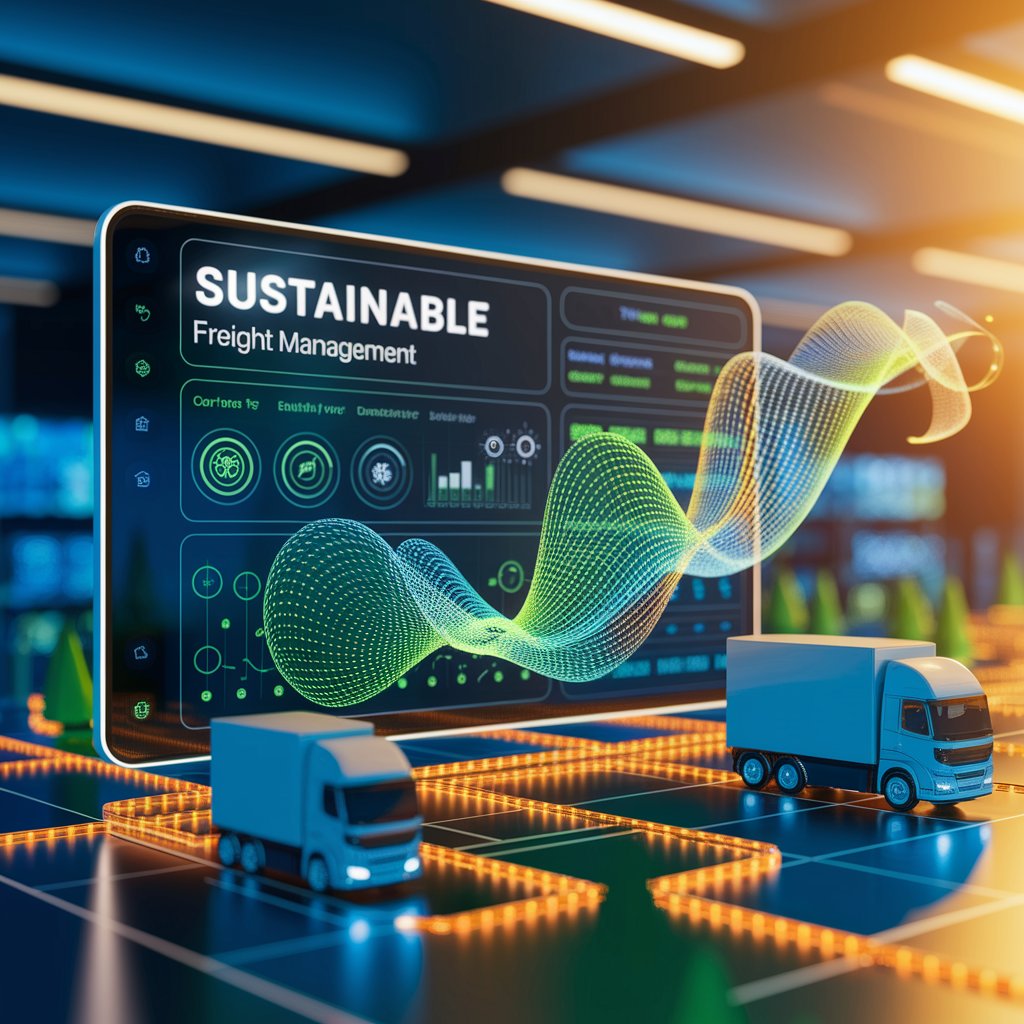
What Is Sustainable Freight Management Software?
Sustainable freight management software is a digital platform designed to manage freight operations while minimizing environmental impact.
It typically helps with:
🚚 Route and transport optimization
🌱 Carbon emissions tracking
📊 Freight performance analytics
🔗 Carrier selection based on sustainability
⚡ Fuel and energy efficiency monitoring
The goal is to create a logistics operation that is both efficient and environmentally responsible.
Why Sustainability Matters in Freight Management
Freight transportation is a major contributor to global emissions, making sustainability a top priority.
1. Environmental Impact
Transportation accounts for a significant portion of:
- CO₂ emissions
- Fuel consumption
- Environmental degradation
2. Regulatory Pressure
Governments are enforcing stricter environmental regulations on logistics operations.
3. Customer Demand
Businesses and consumers increasingly prefer eco-friendly supply chains.

Key Features of Freight Management Software
Modern freight management software includes advanced capabilities.
Emissions Tracking and Reporting
Measure and monitor carbon output across transportation activities.
Eco-Friendly Route Optimization
Optimize routes to:
- Reduce fuel usage
- Minimize emissions
- Improve efficiency
Carrier Sustainability Scoring
Evaluate carriers based on:
- Emissions performance
- Fuel efficiency
- Sustainability practices
Data Analytics and Insights
Analyze environmental and operational data to improve performance.
Benefits of Sustainable Freight Management Software
Adopting sustainable freight management software provides strong advantages.
Reduced Carbon Footprint
Lower emissions through optimized logistics operations.
Cost Savings
Fuel efficiency and route optimization reduce expenses.
Compliance with Regulations
Meet environmental standards and reporting requirements.
Improved Brand Reputation
Demonstrate commitment to sustainability and corporate responsibility.

Use Cases of Freight Management Software
These solutions are widely used across industries.
Freight and Logistics Companies
Optimize transportation while reducing environmental impact.
Retail and Ecommerce
Implement sustainable delivery strategies.
Manufacturing
Reduce emissions across supply chain operations.
How to Implement Freight Management Software
To implement freight management software, follow these steps:
1️⃣ Assess current freight operations and emissions
2️⃣ Identify opportunities for sustainability improvements
3️⃣ Select a suitable software solution
4️⃣ Integrate with existing logistics systems
5️⃣ Monitor performance and continuously optimize

Conclusion
Sustainable freight management software is essential for companies aiming to reduce environmental impact while maintaining efficient logistics operations. By combining optimization, analytics, and sustainability tracking, businesses can build greener and more competitive supply chains.
Investing in sustainable freight solutions is not just a trend—it’s a strategic necessity for the future of logistics.