
Supply Chain Dashboards: Turning Complex Logistics Data into Actionable Insights
Introduction
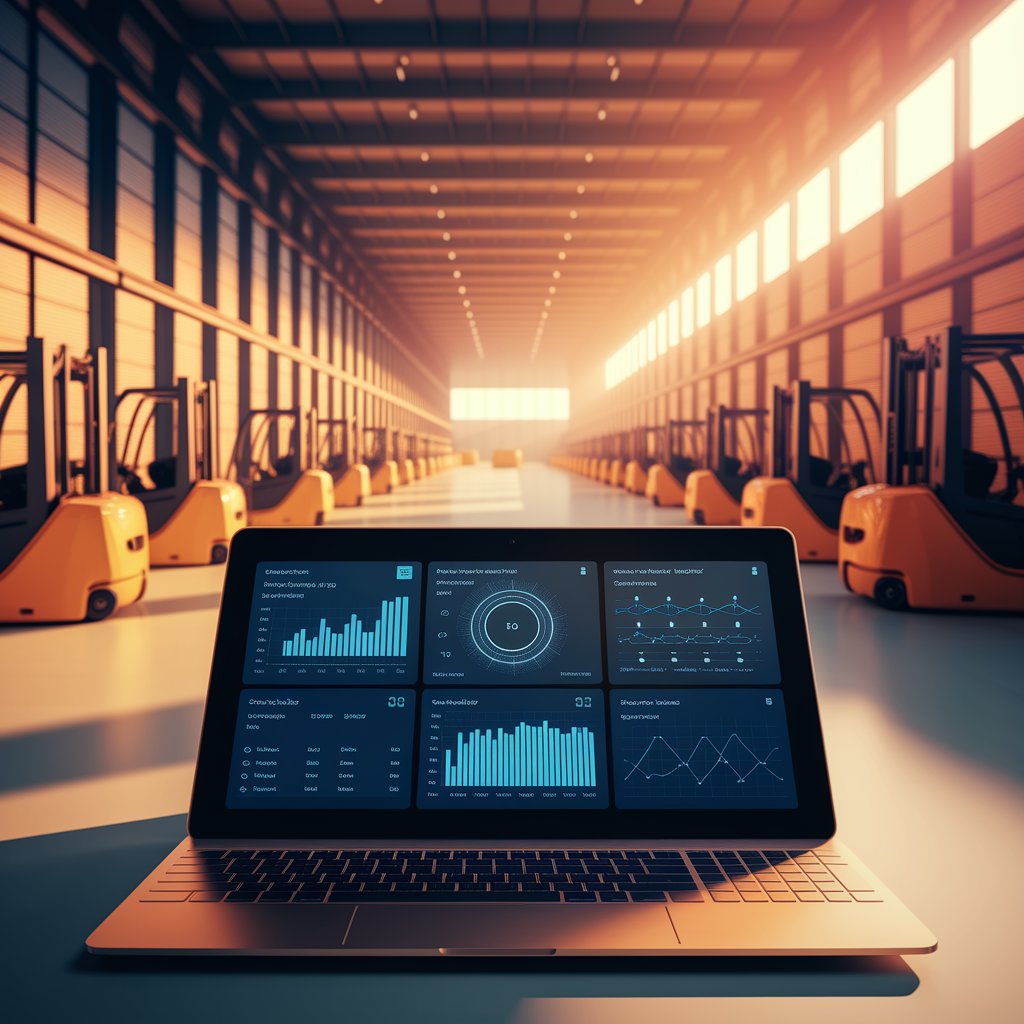
A well-designed dashboard transforms fragmented logistics information into real-time, actionable intelligence. It allows freight forwarders, 3PLs, and manufacturers to monitor KPIs, forecast performance, and optimize operations across every stage of the supply chain.
In a fast-moving world, dashboards are no longer just reporting tools — they’re the control centers of modern logistics. 🌎
What Are Supply Chain Dashboards?
Supply chain dashboards are interactive data visualization platforms that centralize logistics information from multiple sources — such as transportation systems, warehouses, procurement tools, and customer platforms — into a single, easy-to-read interface.
These dashboards display metrics like:
- Shipment status and delivery times 🚚
- Inventory levels and warehouse utilization
- Supplier performance and order accuracy
- Cost trends and profit margins
- Forecasting, demand, and fulfillment rates
By aggregating and visualizing data in real time, dashboards enable logistics managers to track, analyze, and act — all from one screen.
How Supply Chain Dashboards Work
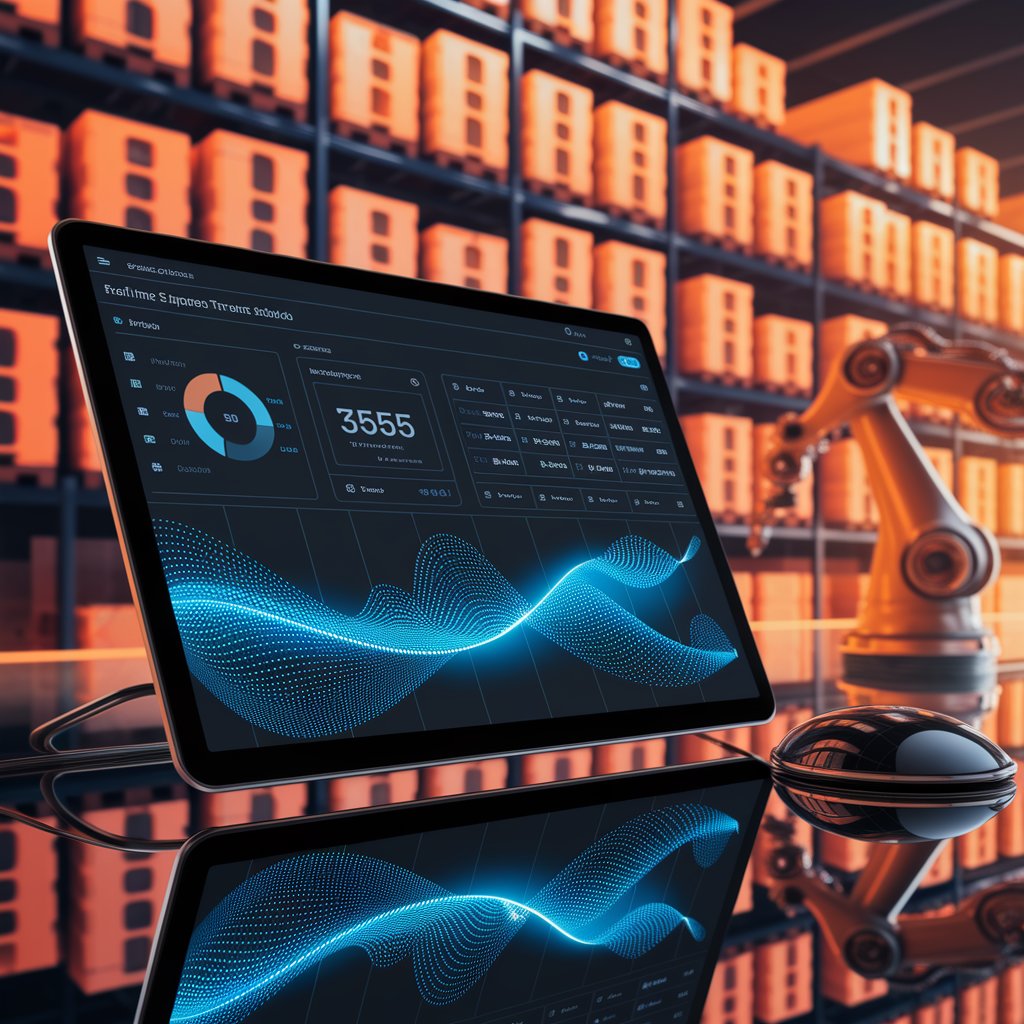
A supply chain dashboard connects to various logistics systems through APIs, IoT sensors, and cloud platforms. Here’s how it works step by step:
1️⃣ Data Collection
Information is gathered from ERP, TMS, WMS, CRM, and IoT devices monitoring shipments or equipment.
2️⃣ Data Processing
The dashboard cleans and standardizes the data for consistency and accuracy.
3️⃣ Visualization
KPIs are displayed in charts, graphs, and performance gauges — often customizable by role or department.
4️⃣ Alerts & Predictions
AI-powered dashboards send automatic alerts about delays, bottlenecks, or anomalies while providing predictive insights for proactive decisions.
5️⃣ Continuous Optimization
Performance data is analyzed over time to identify patterns, trends, and areas for improvement.
This cycle transforms dashboards into living tools — continuously adapting to business needs and external conditions.
Key Features of Modern Supply Chain Dashboards
1. Real-Time Data Updates
Instantly displays the latest metrics on shipments, inventory, and performance across all logistics operations.
2. Customizable KPIs
Allows teams to track what matters most — from on-time delivery rates to transportation costs or supplier reliability.
3. AI-Driven Alerts
Automatically detects anomalies, missed deadlines, or capacity issues and notifies relevant users.
4. Integration with Multiple Systems
Connects ERP, TMS, WMS, CRM, and IoT devices for unified visibility.
5. Predictive Analytics
Forecasts demand, inventory needs, and shipping trends using machine learning models.
6. Secure Cloud Access
Provides global accessibility with role-based permissions and encrypted data management.
7. Mobile-Friendly Interface
Empowers managers to monitor the supply chain anytime, anywhere, from any device.
Benefits of Supply Chain Dashboards
1. Complete Visibility
Gain end-to-end insight into shipments, inventory, suppliers, and performance across global networks.
2. Smarter Decision-Making
Visual analytics make complex data easy to understand, helping teams identify risks and opportunities faster.
3. Cost Control
Dashboards highlight inefficiencies in fuel, storage, or routing — allowing data-driven cost reduction.
4. Faster Problem Resolution
Real-time alerts help address issues before they escalate into costly delays.
5. Performance Optimization
Identify top-performing routes, carriers, or suppliers and replicate success across operations.
6. Sustainability Tracking
Monitor carbon emissions, fuel usage, and waste reduction initiatives to achieve greener logistics. 🌍
Types of Supply Chain Dashboards
📦 1. Operational Dashboards
Monitor day-to-day logistics activities like shipment tracking, warehouse efficiency, and delivery accuracy.
📈 2. Analytical Dashboards
Analyze long-term performance trends, comparing monthly KPIs and identifying bottlenecks.
💼 3. Strategic Dashboards
Provide executives with high-level insights into financial performance, customer satisfaction, and ROI.
🧭 4. Predictive Dashboards
Use AI and machine learning to anticipate demand shifts, potential delays, or equipment failures.
By combining all four, companies achieve both real-time responsiveness and strategic foresight.
Integration Across the Supply Chain Ecosystem
To function effectively, supply chain dashboards integrate seamlessly with existing systems:
- Transportation Management Systems (TMS): For route performance, delivery times, and carrier metrics.
- Warehouse Management Systems (WMS): For inventory accuracy, fulfillment rates, and space optimization.
- Enterprise Resource Planning (ERP): For financial visibility, procurement analytics, and demand forecasting.
- Customer Relationship Management (CRM): For order tracking, communication, and satisfaction metrics.
This integration creates a centralized digital control tower — one version of the truth across all logistics functions.

Case Example: How Dashboards Drive Efficiency
A multinational 3PL adopted supply chain dashboards to unify visibility across 12 distribution centers. Within six months:
- Data reporting time dropped by 75%
- Delivery accuracy improved from 86% to 96%
- Operational costs decreased by 18%
- Customer satisfaction rose by 20%
The result: faster, smarter, and more transparent decision-making powered by centralized data visualization.
The Future of Supply Chain Dashboards
Tomorrow’s supply chain dashboards will evolve from visual tools into intelligent, self-optimizing platforms powered by AI and automation. Expect innovations such as:
- Digital twins for real-time simulation of entire logistics networks
- Voice-enabled dashboards for hands-free monitoring
- Predictive alerts powered by generative AI
- Blockchain connectivity for transparent supplier traceability
- AR/VR visualization for immersive supply chain mapping
The future of dashboards isn’t just about seeing data — it’s about acting on it instantly. ⚙️
✅ Conclusion
In today’s data-driven logistics landscape, supply chain dashboards are no longer optional — they’re mission-critical.
They unify visibility, accelerate analysis, and empower logistics professionals to make proactive, informed decisions.
With the right dashboard strategy, your organization can achieve greater efficiency, transparency, and control across every shipment and process.
In short, what gets measured gets optimized — and supply chain dashboards make optimization easy.