
Supply Chain Control Tower Solutions: Real-Time Visibility and Intelligent Orchestration
What Are Supply Chain Control Tower Solutions?
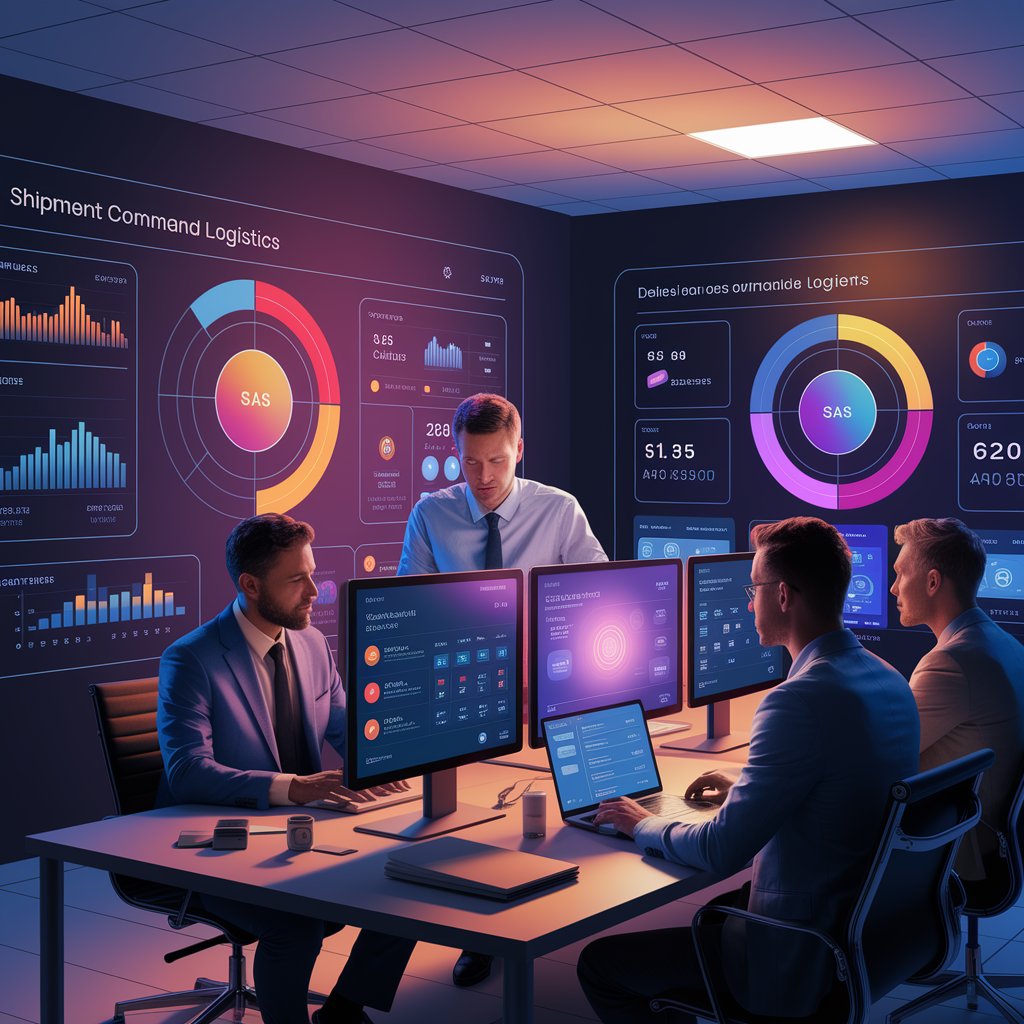
Supply chain control tower are centralized digital platforms that provide end-to-end visibility across transportation, warehousing, inventory, suppliers, and partners.
They integrate data from multiple systems to:
- Monitor shipments in real time
- Detect disruptions instantly
- Trigger automated alerts
- Provide predictive risk insights
- Enable cross-functional coordination
- Support data-driven strategic decisions
A control tower does not replace operational systems — it orchestrates them.
Why Supply Chain Control Tower Matter in 2026
Modern supply chains face:
- Global transportation volatility
- Capacity constraints
- Multimodal complexity
- Increased regulatory requirements
- High customer expectations
Control tower solutions provide transparency and agility in highly dynamic environments.

Core Capabilities of Supply Chain Control Tower Solutions
1️⃣ End-to-End Visibility
Unified dashboards display shipment status, inventory levels, performance metrics, and risk indicators.
2️⃣ Real-Time Event Monitoring
Integrated systems detect delays, disruptions, and deviations instantly.
3️⃣ Predictive Analytics
AI models forecast potential bottlenecks and recommend corrective actions.
4️⃣ Automated Alerting & Workflow Triggers
Critical events trigger automated responses across connected systems.
5️⃣ Cross-Functional Collaboration
Stakeholders across logistics, finance, procurement, and customer service operate within the same digital environment.
Benefits of Supply Chain Control Tower Solutions
- Improved on-time delivery performance
- Faster disruption response
- Reduced operational risk
- Better cost control
- Increased supply chain resilience
- Enhanced customer satisfaction
Control towers transform reactive logistics into proactive orchestration.

Supply Chain Control Tower vs Traditional Reporting Systems
Traditional Reporting | Control Tower Solutions |
Historical reports | Real-time dashboards |
Manual coordination | Automated event-driven workflows |
Limited visibility | End-to-end transparency |
Reactive problem-solving | Predictive disruption management |
Isolated systems | Integrated ecosystem view |
Control towers shift logistics from monitoring to intelligent command.
Technologies Powering Control Tower Solutions
- Cloud-Based Unified Platforms
- API-Driven System Integration
- AI & Predictive Analytics
- Real-Time Data Streaming
- IoT & GPS Tracking
- Digital Twin Simulation
These technologies create synchronized supply chain environments.

Who Benefits from Supply Chain Control Tower Solutions?
- Global enterprises
- 3PL providers
- Freight forwarders
- Multinational manufacturers
- Retail and e-commerce networks
- Complex multimodal logistics operators
Any organization managing distributed supply networks gains operational clarity.
How to Implement Supply Chain Control Tower Solutions
Step 1: Integrate Core Systems
Connect TMS, WMS, ERP, and external data sources.
Step 2: Standardize Data
Ensure consistent and accurate information flow.
Step 3: Define Strategic KPIs
Focus on delivery performance, cost metrics, and risk thresholds.
Step 4: Enable Automation & Alerts
Design workflows that respond automatically to disruptions.
Step 5: Continuously Optimize
Refine analytics and improve decision logic over time.
Common Pitfalls to Avoid
- Poor data quality
- Lack of integration strategy
- Overloading dashboards with irrelevant metrics
- Ignoring user adoption
A control tower is only as strong as its data and governance.
The Future of Supply Chain Control Tower Solutions
The next generation of supply chain control tower solutions will evolve into semi-autonomous orchestration platforms capable of executing decisions automatically.
Future systems will offer:
- Autonomous disruption mitigation
- Dynamic network reconfiguration
- Sustainability tracking and optimization
- AI-driven scenario planning
- End-to-end digital supply ecosystems
Control towers will become the intelligence hub of autonomous supply chains.
Conclusion
Supply chain control tower solutions provide the visibility, intelligence, and coordination needed to manage modern logistics networks effectively. By centralizing data and enabling predictive insights, companies gain control over complexity and uncertainty.
In 2026, real-time orchestration is not optional — it is the foundation of resilient supply chains.