
Smart Logistics Monitoring: Real-Time Control Powered by AI
Introduction
Linbis changes that with smart logistics monitoring, a next-generation visibility system that integrates AI, IoT, and automation to deliver real-time tracking, predictive insights, and total control over every logistics operation.
With Linbis, logistics monitoring isn’t just about watching — it’s about acting intelligently and instantly.
Step 1: Connecting Every Data Source
Linbis starts by integrating all logistics data into one smart platform:
- IoT sensors: for temperature, humidity, and GPS tracking.
- TMS/WMS systems: for transport and warehouse status.
- Carrier APIs: for live ETAs, shipment milestones, and route data.
- ERP and CRM integrations: for customer and billing information.
- External feeds: weather, traffic, and customs updates.
All this information is unified in the cloud, creating a single, real-time logistics command center.
Step 2: Real-Time Monitoring Dashboard
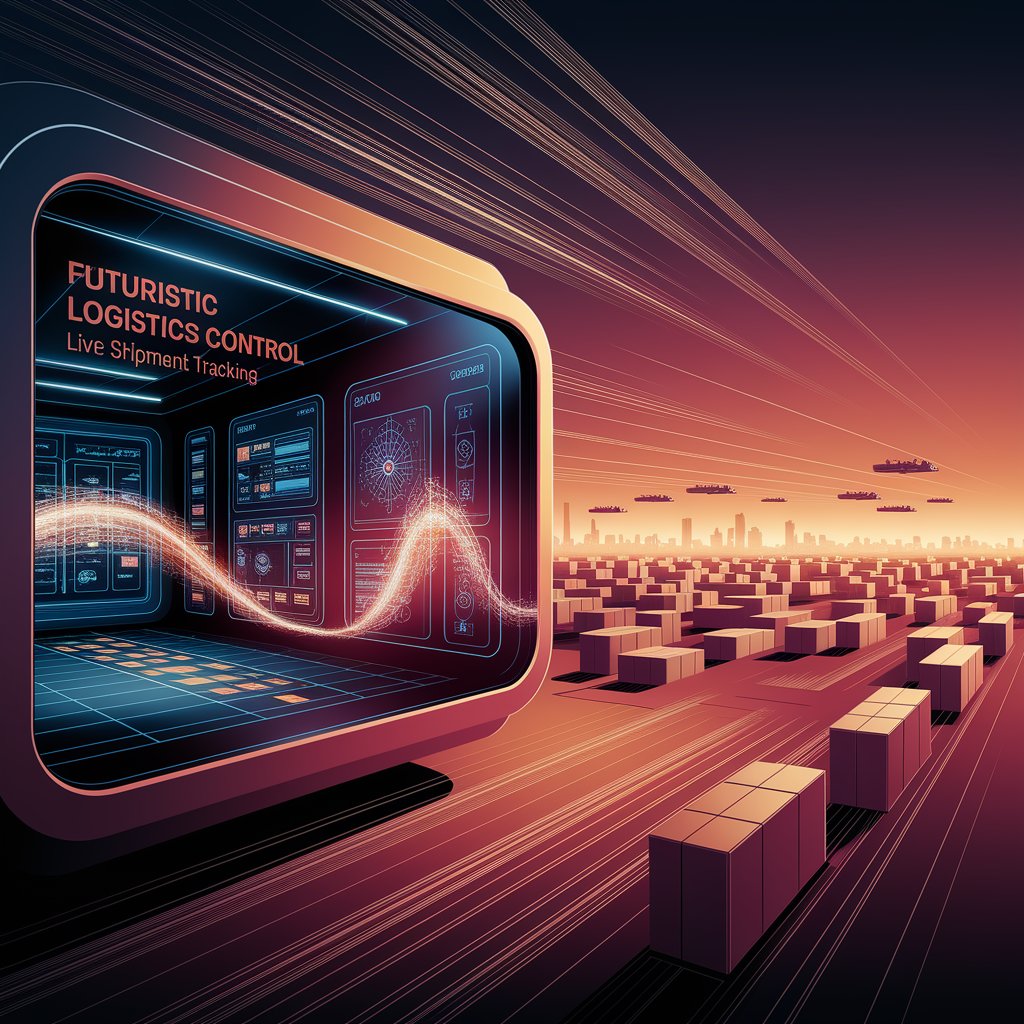
The Linbis smart logistics dashboard visualizes every active shipment, vehicle, and process in real time:
- Live map of global shipments with dynamic ETAs.
- Warehouse inventory flow and capacity indicators.
- Fleet movement, idle time, and performance metrics.
- Alerts for route deviations, delays, or equipment failures.
Managers can see the entire logistics chain at a glance — from pickup to delivery — and take action immediately.
Step 3: Predictive Alerts and Risk Detection
Using AI and machine learning, Linbis predicts problems before they occur:
- Identifies potential delays caused by congestion or weather.
- Detects unusual route deviations from drivers or carriers.
- Forecasts equipment maintenance needs based on sensor data.
- Predicts inventory shortages and triggers replenishment alerts.
By turning monitoring into prediction, Linbis gives logistics teams time to act, not just react.

Step 4: Automated Response Workflows
Linbis pairs monitoring with automation to ensure instant action:
- If a shipment is delayed, notify customers automatically.
- If a truck deviates from route, alert dispatch for verification.
- If temperature exceeds threshold, trigger cold-chain corrective workflow.
- If inventory drops below limit, auto-create restock order.
Each alert connects to a predefined workflow, transforming insights into automated operational responses.
Step 5: Collaboration and Communication
Linbis simplifies communication across logistics teams and partners:
- Share live shipment dashboards with clients.
- Integrate notifications across email, chat, or mobile.
- Centralize comments and issue tracking inside the platform.
- Assign tasks automatically when exceptions occur.
Everyone — from dispatchers to customers — operates with the same real-time information.
Step 6: Performance Analytics and Continuous Improvement
Beyond live monitoring, Linbis records all operational data for analysis:
- Average delivery performance and delay rates.
- Fleet utilization and idle time trends.
- Route efficiency metrics and fuel impact.
- Exception patterns and resolution times.
These analytics feed into Linbis’s AI models to continuously refine predictions and improve performance across the entire supply chain.

Advanced Features
- AI-driven predictive monitoring and alerts.
- IoT integration for real-time sensor tracking.
- Automated workflow triggers from event data.
- Customizable dashboards for global operations.
- Integration with ERP, TMS, and CRM systems.
Real-World Example 🚛
A 3PL in Argentina adopted Linbis smart logistics monitoring to track its temperature-sensitive shipments.
In 4 months:
- Incident response time decreased by 60%.
- Customer complaint rates dropped by 35%.
- Cold-chain compliance reached 99%.
Now, the company monitors every shipment automatically — with predictive alerts preventing losses before they happen.

Benefits 📈
- Visibility: Real-time insight across all logistics processes.
- Proactivity: Predict and prevent risks automatically.
- Automation: Turn alerts into instant workflows.
- Efficiency: Improve coordination and reduce response time.
- Scalability: Manage global logistics from one dashboard.
Conclusion
With smart logistics monitoring, Linbis delivers the future of connected logistics.
By merging AI, IoT, and automation, companies gain complete operational awareness, predictive visibility, and instant control — all from a single platform.
In the era of intelligent logistics, Linbis transforms monitoring from observation to automation-driven intelligence.