
Robotics in Distribution: Accelerating Speed and Accuracy in Logistics
Robotics in distribution is transforming how goods are handled, stored, and moved. By automating repetitive and physically demanding tasks, robotics helps distribution centers operate faster, safer, and more efficiently—while reducing errors and operational costs.
What Is Robotics in Distribution?
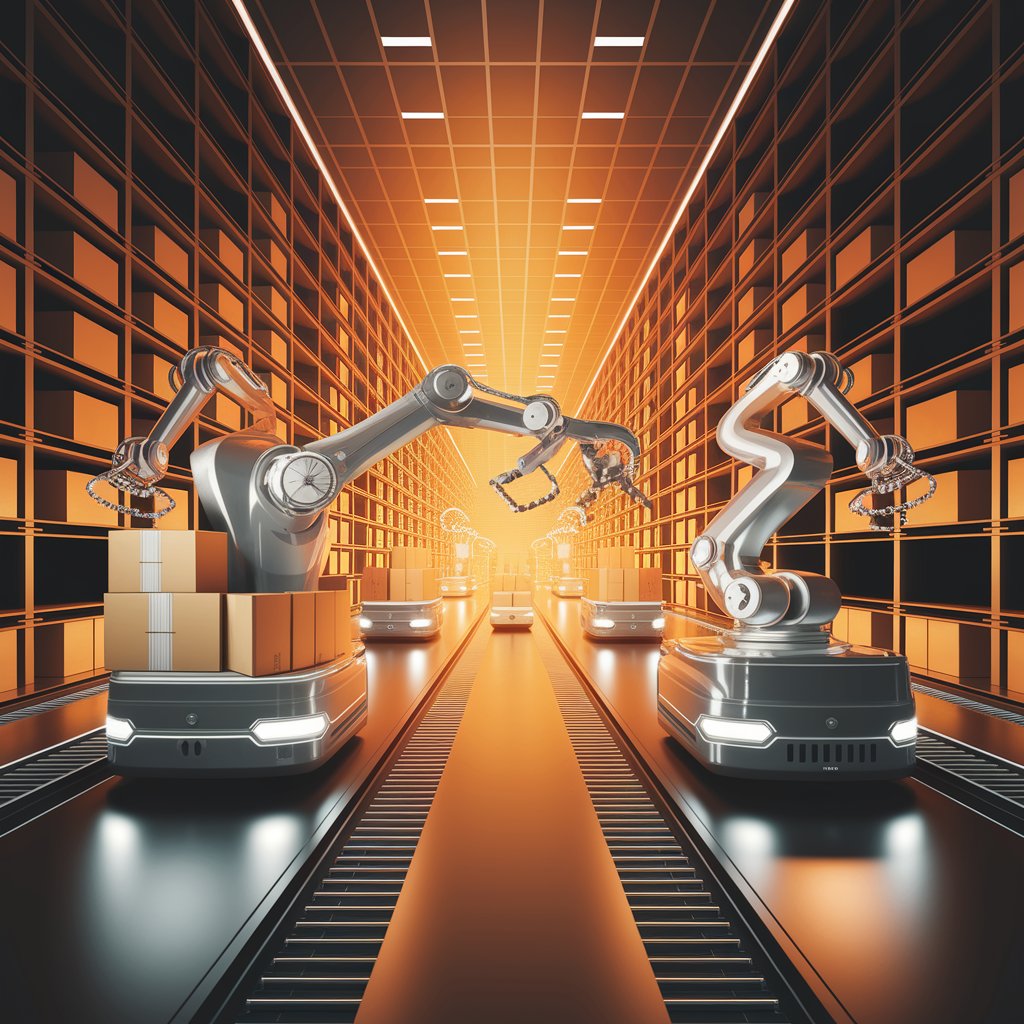
Robotics in distribution refers to the use of automated machines and robotic systems inside distribution centers to support logistics operations.
These robots assist with tasks such as picking, sorting, packing, and transporting goods within the facility.
They work alongside human teams, not as replacements, but as productivity multipliers.
Robots operate continuously, maintaining consistent performance throughout the day.
This allows distribution centers to handle higher volumes without increasing complexity.
Common Types of Distribution Robotics
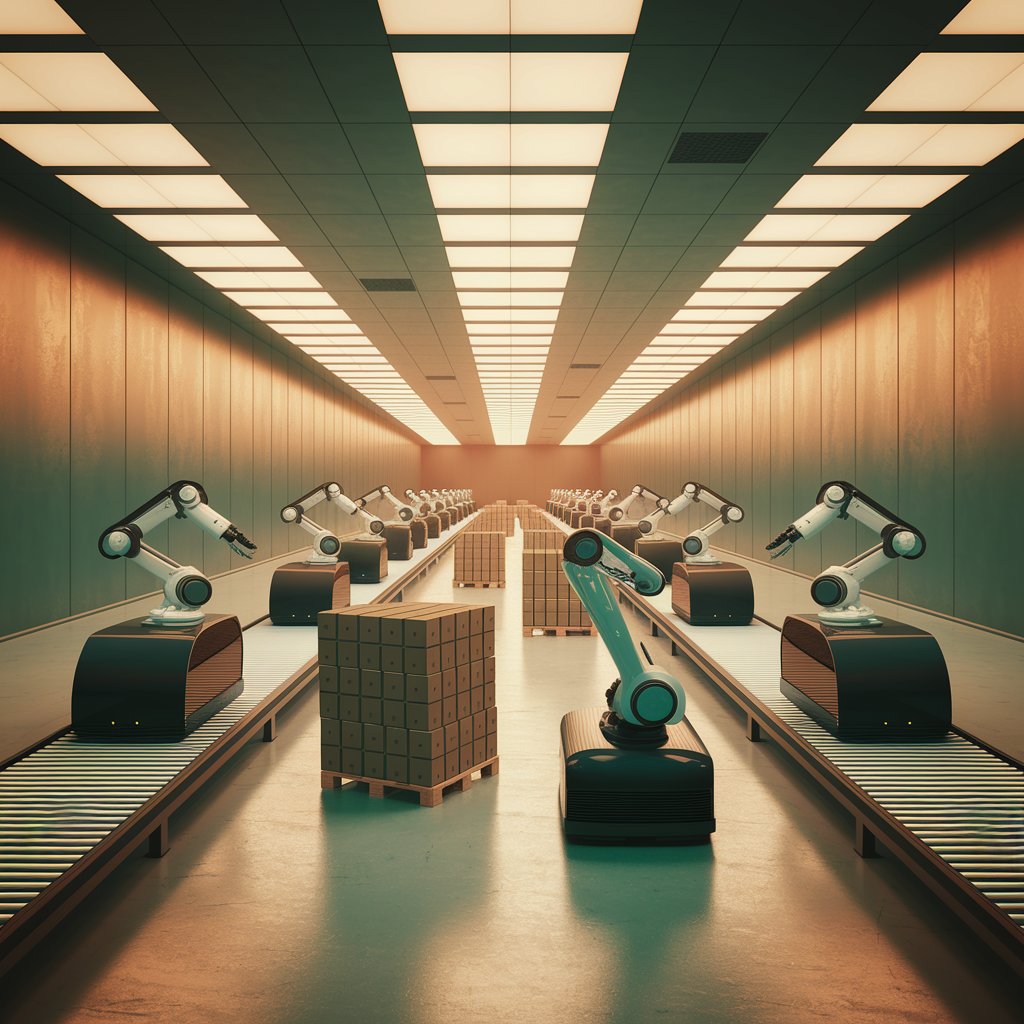
- Autonomous Mobile Robots
Move goods across the warehouse floor automatically. - Robotic Picking Arms
Select items accurately for order fulfillment. - Sorting Robots
Direct packages to the correct shipping lanes. - Palletizing Robots
Stack goods efficiently for transport. - Conveyor Robotics
Automate movement between zones.
Benefits for Distribution Operations
- Faster Order Processing with shorter fulfillment times
- Higher Accuracy in picking and sorting
- Lower Labor Dependency for repetitive tasks
- Improved Worker Safety by reducing heavy lifting
- Scalable Operations during peak demand
Real-World Applications
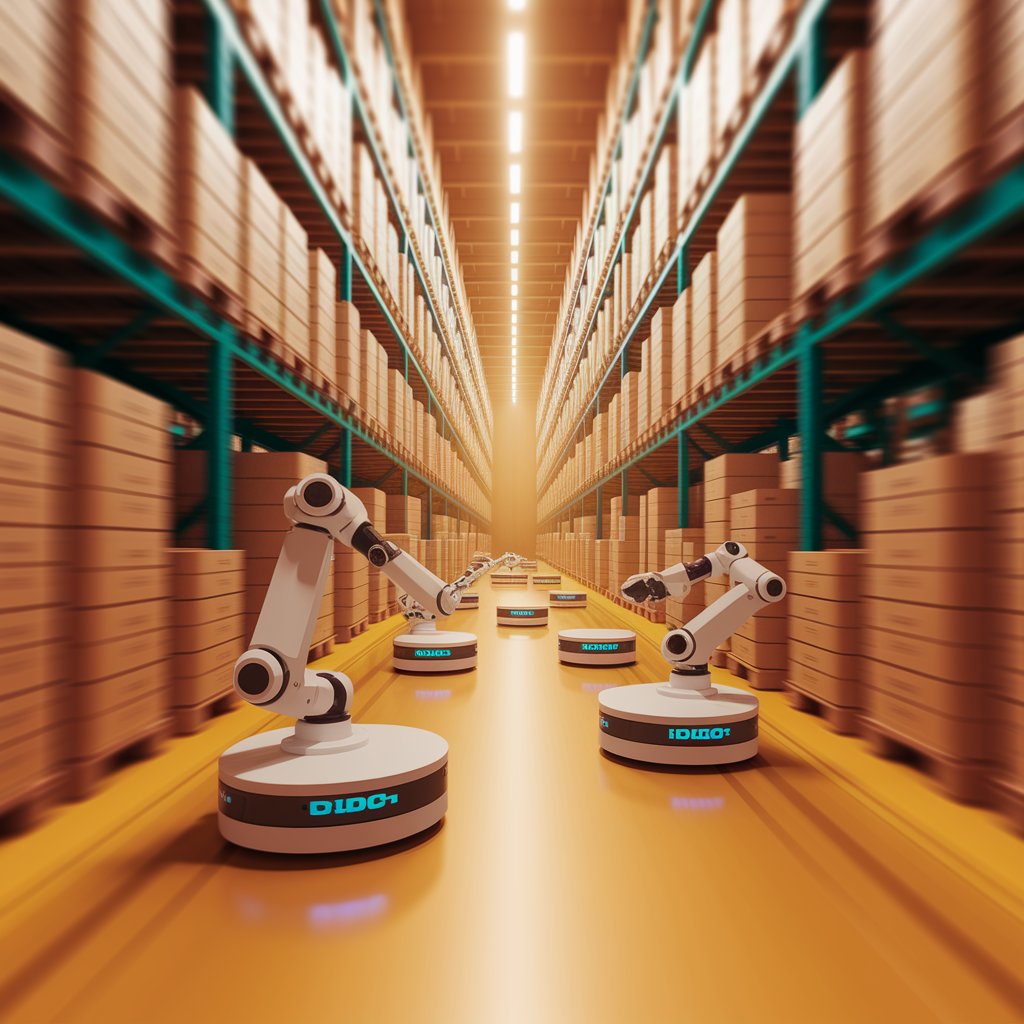
- E-commerce Fulfillment Centers: High-speed order picking and packing
- Retail Distribution: Faster store replenishment
- 3PL Warehouses: Flexible automation for multiple clients
- Cold Storage Facilities: Robotics in temperature-controlled environments
- High-Volume Distribution Hubs: Continuous, round-the-clock operations
The Future of Robotics in Distribution
The future of robotics in distribution will be shaped by AI, machine vision, and warehouse automation platforms.
Robots will become smarter and more adaptable.
Systems will dynamically adjust workflows in real time.
Human-robot collaboration will become standard practice.
Distribution centers will evolve into highly automated, data-driven environments focused on speed and precision.
Conclusion
Robotics in distribution is redefining warehouse and fulfillment operations. By increasing speed, improving accuracy, and reducing operational strain, robotics enables logistics providers to meet modern delivery expectations.
As demand continues to grow, robotics will no longer be optional—it will be a core component of efficient, scalable, and future-ready distribution networks.