
Predictive Transport Systems: The Intelligence Driving Tomorrow’s Logistics
Introduction
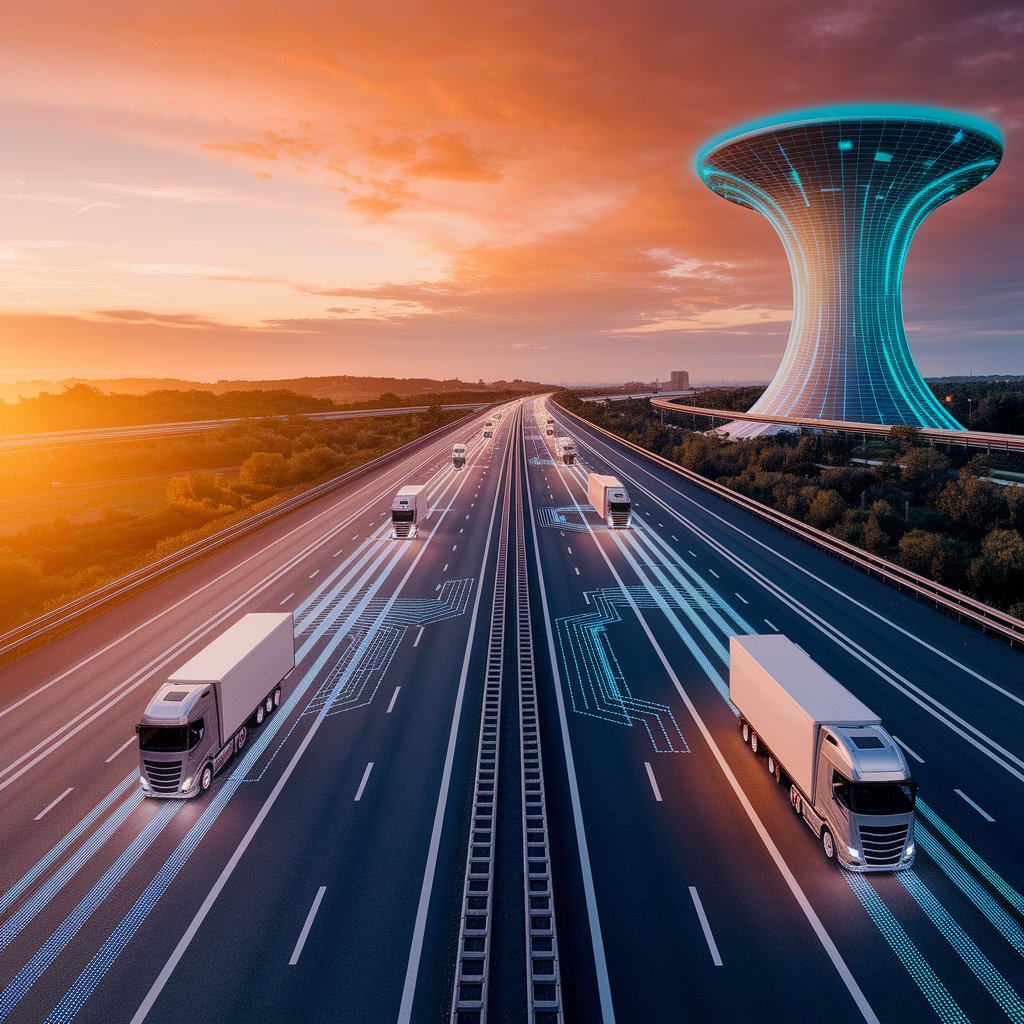
By combining AI-driven analytics, IoT sensors, and real-time data modeling, predictive systems forecast potential disruptions before they occur — helping companies stay ahead of congestion, weather delays, and fluctuating customer demand.
In essence, predictive transport systems turn uncertainty into precision, empowering logistics professionals to plan, act, and optimize their operations with confidence.
What Are Predictive Transport Systems?
Predictive transport systems use artificial intelligence and data analytics to anticipate future transportation outcomes, enabling proactive decision-making in freight and logistics management.
Unlike reactive systems that respond after an event happens, predictive systems analyze historical and live data to:
- Forecast delivery times and demand spikes
- Detect potential route disruptions 🚧
- Predict equipment maintenance needs
- Optimize scheduling, fleet utilization, and resource allocation
This proactive intelligence transforms transport management into a data-driven ecosystem that evolves continuously with each shipment.
How Predictive Transport Systems Work
The predictive transport process can be divided into four interconnected stages:
1️⃣ Data Collection
Sensors, GPS trackers, and telematics gather real-time transport data such as vehicle speed, fuel consumption, temperature, and geolocation.
2️⃣ Data Integration
The system consolidates this information from multiple platforms — including TMS, WMS, and ERP — into a centralized cloud environment.
3️⃣ Predictive Analytics
AI models analyze historical trends and live data to identify correlations and patterns that indicate future risks or opportunities.
4️⃣ Decision Automation
Based on insights, the system automatically adjusts routes, schedules, and maintenance plans — or alerts human operators when intervention is needed.
This continuous loop enables predictive transport systems to learn, adapt, and optimize over time.

Core Technologies Behind Predictive Transport Systems
🧠 Artificial Intelligence (AI)
AI interprets millions of logistics variables in seconds, learning from outcomes to improve future predictions.
🧩 Machine Learning (ML)
ML models continuously refine accuracy, adapting to traffic, demand, and environmental changes dynamically.
☁️ Cloud Computing
Ensures global access to transport analytics and real-time system scalability.
📡 Internet of Things (IoT)
IoT sensors connect vehicles, cargo, and infrastructure — creating a fully traceable, data-driven transport network.
📊 Big Data Analytics
Processes massive data sets from multiple transport modes to provide actionable insights instantly.
Key Benefits of Predictive Transport Systems
Implementing predictive transport systems brings measurable improvements across every logistics operation:
⚡ 1. Route Optimization
AI predicts the most efficient routes by analyzing live traffic, weather, and fuel data — minimizing delays and costs.
🔧 2. Predictive Maintenance
Systems forecast vehicle wear and tear, scheduling maintenance before breakdowns occur, reducing downtime by up to 30%.
⏱️ 3. On-Time Delivery
Predictive algorithms anticipate disruptions, ensuring proactive rerouting and more accurate ETAs.
💰 4. Cost Efficiency
By preventing delays and equipment failures, predictive systems cut unnecessary expenses and optimize resource usage.
🌱 5. Sustainability
Smart route planning reduces empty miles and fuel consumption, helping companies meet carbon reduction goals.
📈 6. Customer Satisfaction
Consistent, real-time updates improve transparency and reliability — strengthening long-term customer trust.
Integration Across Logistics Systems
To unlock full potential, predictive transport systems integrate with other digital tools in the logistics chain:
- Transportation Management Systems (TMS): For route planning, carrier management, and cost tracking.
- Warehouse Management Systems (WMS): To align inbound and outbound schedules with warehouse operations.
- Fleet Management Platforms: For real-time monitoring of vehicles and maintenance alerts.
- ERP & CRM Systems: For complete business synchronization and client visibility.
Integration creates a connected digital logistics ecosystem, enabling data flow and predictive intelligence across every operational layer.

Real-World Applications of Predictive Transport Systems
🏭 Manufacturing Logistics
Manufacturers use predictive transport to align raw material shipments with production cycles, preventing shortages.
🛒 Retail & E-Commerce
Retailers forecast demand and optimize last-mile delivery routes based on seasonal peaks and consumer trends.
🚛 Freight Forwarding
Freight forwarders use predictive transport systems to estimate transit times, avoid port congestion, and automate carrier selection.
🚢 Maritime & Air Freight
Predictive weather analytics reduce shipping delays and improve fuel efficiency across sea and air logistics.
Challenges and Considerations
While predictive systems are powerful, successful adoption requires addressing a few challenges:
- Data Accuracy: Poor data quality can weaken prediction reliability.
- Integration Complexity: Legacy systems must be upgraded to support real-time data sharing.
- Cybersecurity Risks: Transport networks need strong data encryption and monitoring.
- Regulatory Compliance: Predictive analytics must align with international data protection and transport regulations.
With proper implementation, these challenges can be overcome — turning predictive transport into a scalable advantage.

Case Example: Predictive Transport in Action
A European logistics provider integrated an AI-based predictive transport system into its fleet of 1,200 vehicles. In the first year:
- Route efficiency improved by 27%
- Vehicle downtime dropped by 22%
- On-time delivery increased to 98%
- CO₂ emissions decreased by 15%
By combining data, automation, and predictive analytics, the company achieved both operational excellence and sustainability.
🔮 The Future of Predictive Transport Systems
As AI and connectivity advance, predictive transport systems will evolve from forecasting tools into fully autonomous logistics coordinators. Future developments include:
- AI-driven fleet orchestration for multi-modal networks
- Blockchain integration for transparent and tamper-proof data exchange
- 5G connectivity for instant vehicle-to-vehicle (V2V) communication
- Digital twins to simulate entire transport networks for real-time optimization
The future of logistics will be predictive, autonomous, and self-improving, powered by intelligent transport ecosystems. ⚙️
✅ Conclusion
In an industry where every second counts, predictive transport systems provide the foresight logistics companies need to operate efficiently and sustainably.
By anticipating delays, optimizing routes, and automating decision-making, predictive systems transform logistics from reactive management into proactive intelligence.
For businesses ready to lead the future of logistics, predictive technology isn’t just an option — it’s the next competitive frontier.