
Micro Fulfillment Centers: Faster, Smarter Fulfillment for Modern Logistics
By placing automated, compact fulfillment facilities closer to end customers, micro fulfillment centers enable faster delivery times, lower transportation costs, and more efficient inventory management.
What Are Micro Fulfillment Centers?
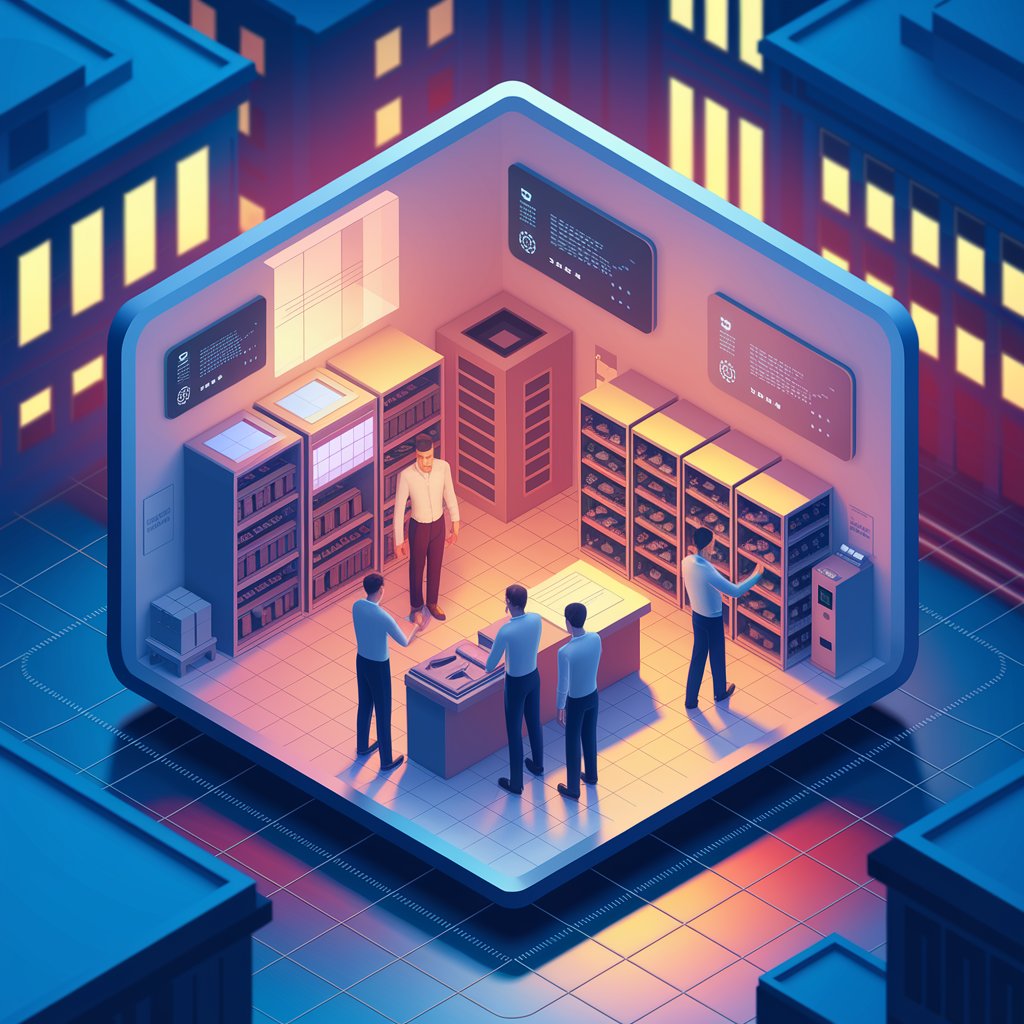
Micro fulfillment centers (MFCs) are small, highly automated fulfillment facilities strategically located near urban areas or population centers. They are designed to process online orders quickly by storing high-demand inventory close to customers.
Unlike traditional warehouses, micro fulfillment centers prioritize speed, automation, and proximity over scale
Why Micro Fulfillment Matter
Last-mile fulfillment is one of the most expensive and complex parts of the supply chain. Micro fulfillment centers address these challenges directly.
Key benefits include:
- Faster order fulfillment and delivery times
- Reduced last-mile transportation costs
- Improved inventory availability closer to customers
- Higher order accuracy through automation
- Scalable fulfillment without large warehouse expansion
MFCs allow companies to compete on speed while controlling costs.
Core Components of Fulfillment Centers
1. Automation & Robotics
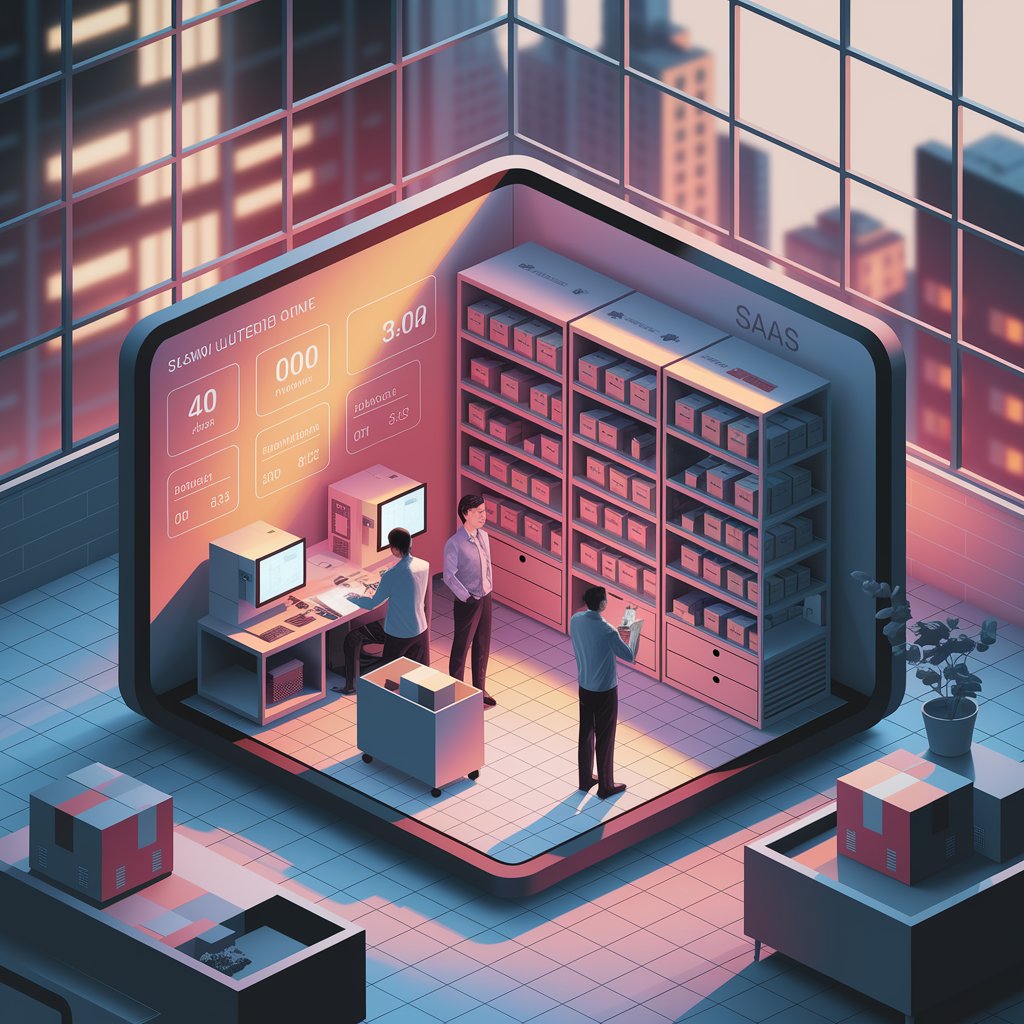
Micro fulfillment rely heavily on automation technologies such as:
- Automated storage and retrieval systems (AS/RS)
- Robotics-assisted picking
- Conveyor and sorting systems
Automation maximizes throughput in limited space.
2. Inventory Optimization
MFCs focus on fast-moving SKUs and use demand data to optimize inventory placement and replenishment.
3. Software & System Integration
Micro fulfillment integrate with:
- Order management systems (OMS)
- Warehouse management systems (WMS)
- Transportation management systems (TMS)
This ensures seamless coordination between fulfillment and delivery.
4. Urban & Localized Placement
Strategic placement near customers reduces delivery distances, enabling same-day or next-day fulfillment.
5. Data & Performance Analytics
Real-time dashboards track order volumes, fulfillment speed, accuracy, and inventory levels to support continuous optimization.
Common Use Cases for Fulfillment Centers
- E-commerce and omnichannel retail
- Grocery and food delivery
- Convenience and specialty retail
- Urban distribution networks
- Same-day and rapid delivery services
These use cases highlight the flexibility of micro fulfillment models.

How to Implement Micro Fulfillment
Step 1: Analyze Order Demand and Geography
Identify high-density areas where fast delivery provides the most value.
Step 2: Select the Right Automation Level
Balance automation investment with expected order volume and growth.
Step 3: Integrate with Existing Supply Chain Systems
Ensure MFCs connect seamlessly with inventory, order, and transportation systems.
Step 4: Pilot Before Scaling
Start with a limited deployment to validate performance and ROI.
Step 5: Optimize Continuously
Use data insights to refine inventory selection, automation workflows, and delivery coordination.
Common Challenges to Avoid
- Over-automating before demand is proven
- Poor inventory assortment planning
- Lack of system integration
- Underestimating operational complexity
Addressing these challenges ensures successful MFC deployment.
The Future of Micro Fulfillment Centers
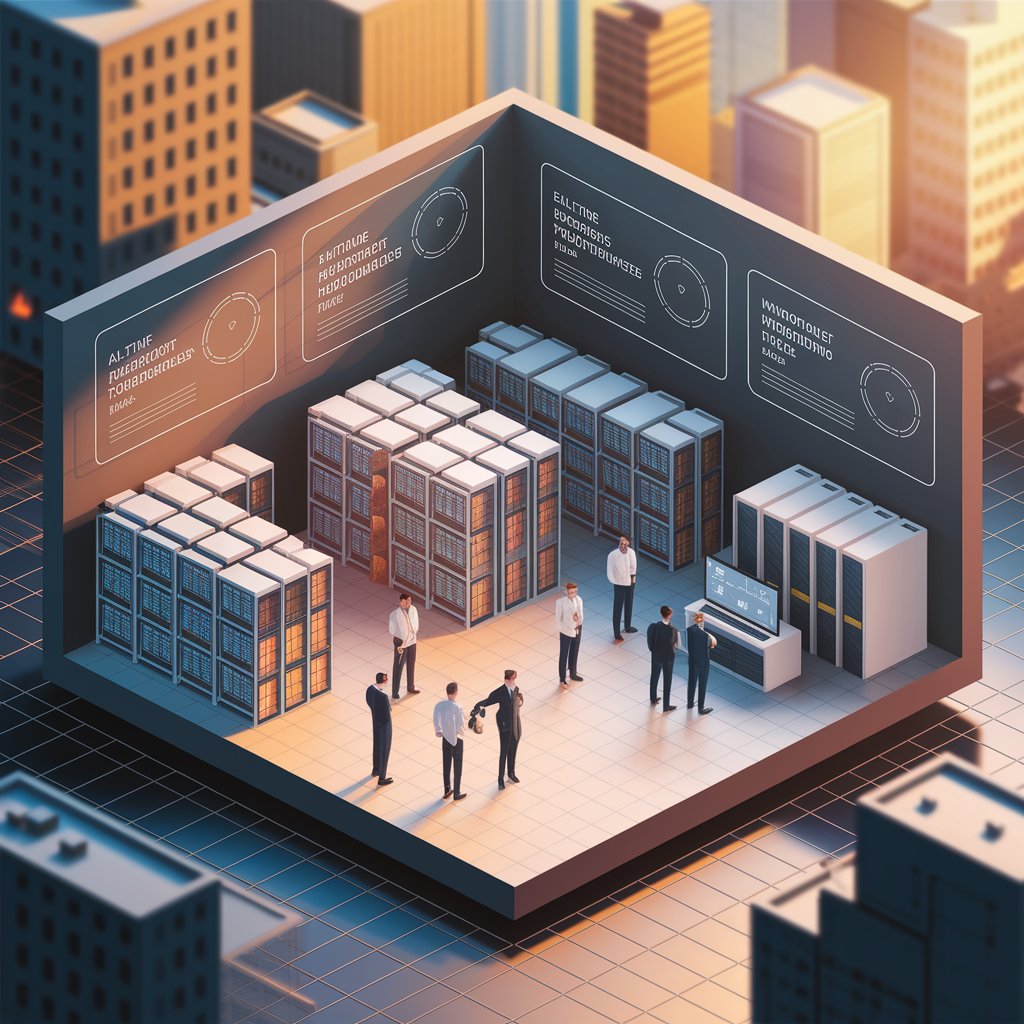
As automation, AI, and demand forecasting advance, micro fulfillment centers will become more intelligent and adaptive. Future MFCs will dynamically adjust inventory, optimize labor and automation, and integrate seamlessly with autonomous delivery solutions.
Organizations that invest in micro fulfillment strategies will gain speed, resilience, and competitive advantage in last-mile fulfillment.
Conclusion
Micro fulfillment centers enable faster, more efficient, and scalable fulfillment by bringing inventory closer to customers. Through automation, data-driven planning, and localized operations, MFCs help logistics and retail organizations meet rising delivery expectations while controlling costs.
In today’s on-demand economy, micro fulfillment is not just an innovation—it is a strategic necessity.