
Logistics Demand Forecasting Tools: Predicting Supply Chain Needs with Accuracy
By using logistics demand forecasting tools, organizations can improve planning, reduce costs, and ensure they are prepared to meet customer demand efficiently.

What Are Logistics Demand Forecasting Tools?
Logistics demand forecasting tools are software solutions that analyze historical data, market trends, and real-time inputs to predict future demand for products and logistics services.
These tools help forecast:
📦 Product demand
🚚 Shipping volume
📊 Inventory requirements
📍 Regional demand patterns
⏱ Seasonal fluctuations
The goal is to align supply chain operations with expected demand.
Why Demand Forecasting Matters in Logistics
Without accurate forecasting, companies may face overstocking, stockouts, or inefficient resource allocation.
1. Demand Uncertainty
Market conditions can change rapidly due to:
- Consumer behavior
- Economic trends
- External disruptions
Forecasting helps reduce uncertainty.
2. Inventory Optimization
Accurate predictions ensure:
- Proper stock levels
- Reduced excess inventory
- Fewer shortages
3. Resource Planning
Forecasting supports better allocation of:
- Transportation capacity
- Warehouse space
- Labor resources
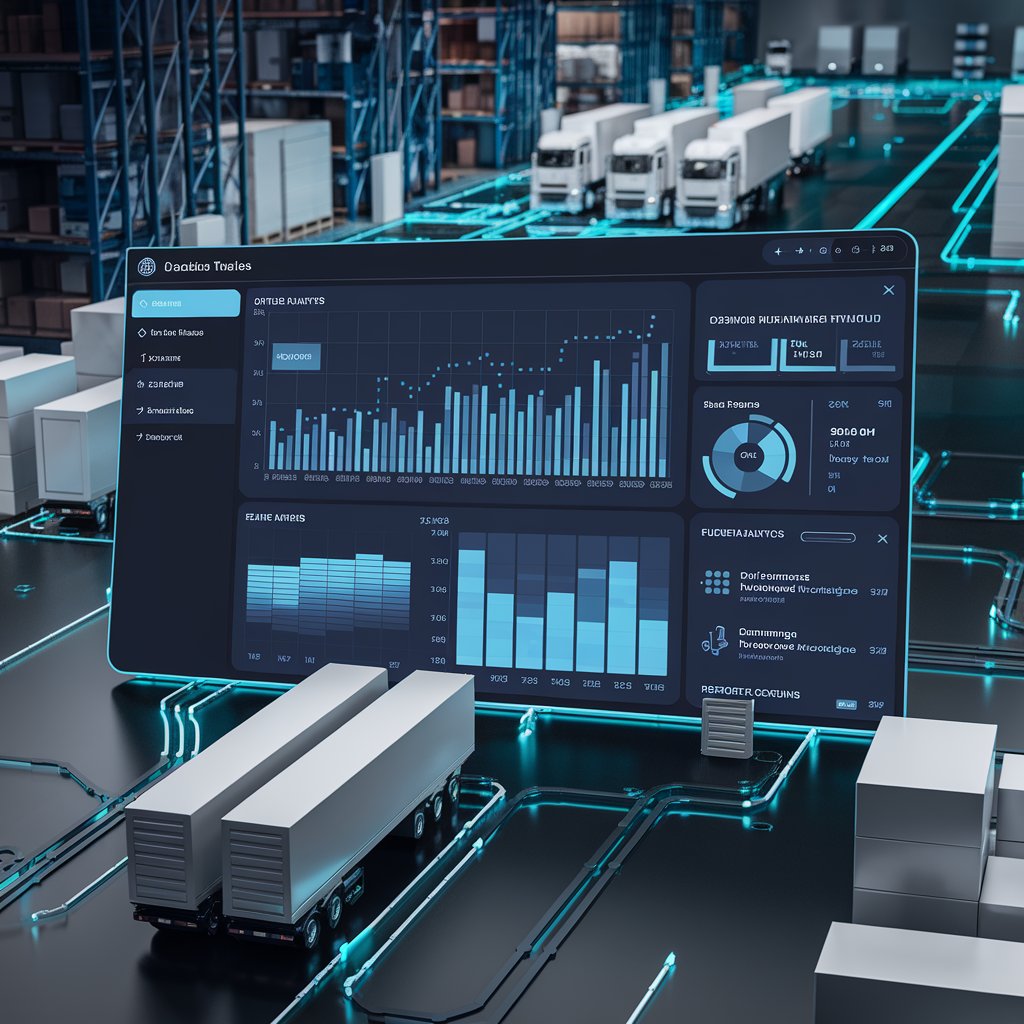
Key Features of Demand Forecasting Tools
Modern logistics forecasting tools offer advanced capabilities.
Predictive Analytics
Use machine learning and statistical models to forecast demand trends.
Data Integration
Combine data from:
- Sales systems
- ERP platforms
- Market data sources
Scenario Planning
Simulate different demand scenarios to prepare for changes.
Real-Time Updates
Continuously adjust forecasts based on new data inputs.
Benefits of Logistics Forecasting Tools
Adopting logistics forecasting tools provides significant advantages.
Improved Accuracy
More precise demand predictions reduce planning errors.
Reduced Costs
Optimize inventory and transportation to minimize expenses.
Better Service Levels
Ensure products are available when and where customers need them.
Enhanced Agility
Respond quickly to changes in demand patterns.

Use Cases of Logistics Forecasting Tools
These tools are widely used across industries.
Retail and Ecommerce
Predict customer demand and optimize inventory levels.
Manufacturing
Align production schedules with expected demand.
Logistics Providers
Plan capacity and optimize resource allocation.
How to Implement Logistics Demand Forecasting Tools
To implement logistics demand forecasting tools, follow these steps:
1️⃣ Collect historical and real-time data
2️⃣ Identify key demand drivers
3️⃣ Choose a forecasting solution
4️⃣ Integrate with existing systems
5️⃣ Continuously refine forecasting models

Conclusion
Logistics forecasting tools are essential for companies that want to improve planning accuracy and optimize supply chain performance. By leveraging predictive analytics and real-time data, businesses can reduce uncertainty, improve efficiency, and better meet customer demand.
Investing in forecasting technology is a key step toward building a more intelligent and responsive supply chain.