
An In-Depth Guide to ISF Filing
This guide will explain what ISF filing is, its key requirements, the filing process, and best practices to ensure compliance.

What is ISF Filing?
ISF Filing is a mandatory electronic filing submitted by importers or their authorized agents to the CBP before cargo arrives in the U.S. It provides advance shipment data that helps authorities assess potential security risks and streamline customs clearance.
Why is ISF Filing Important?
✔️ Enhances cargo security by preventing unauthorized shipments.
✔️ Reduces shipment delays by expediting customs processing.
✔️ Avoids penalties for non-compliance with CBP regulations.
✔️ Ensures supply chain efficiency for businesses engaged in international trade.
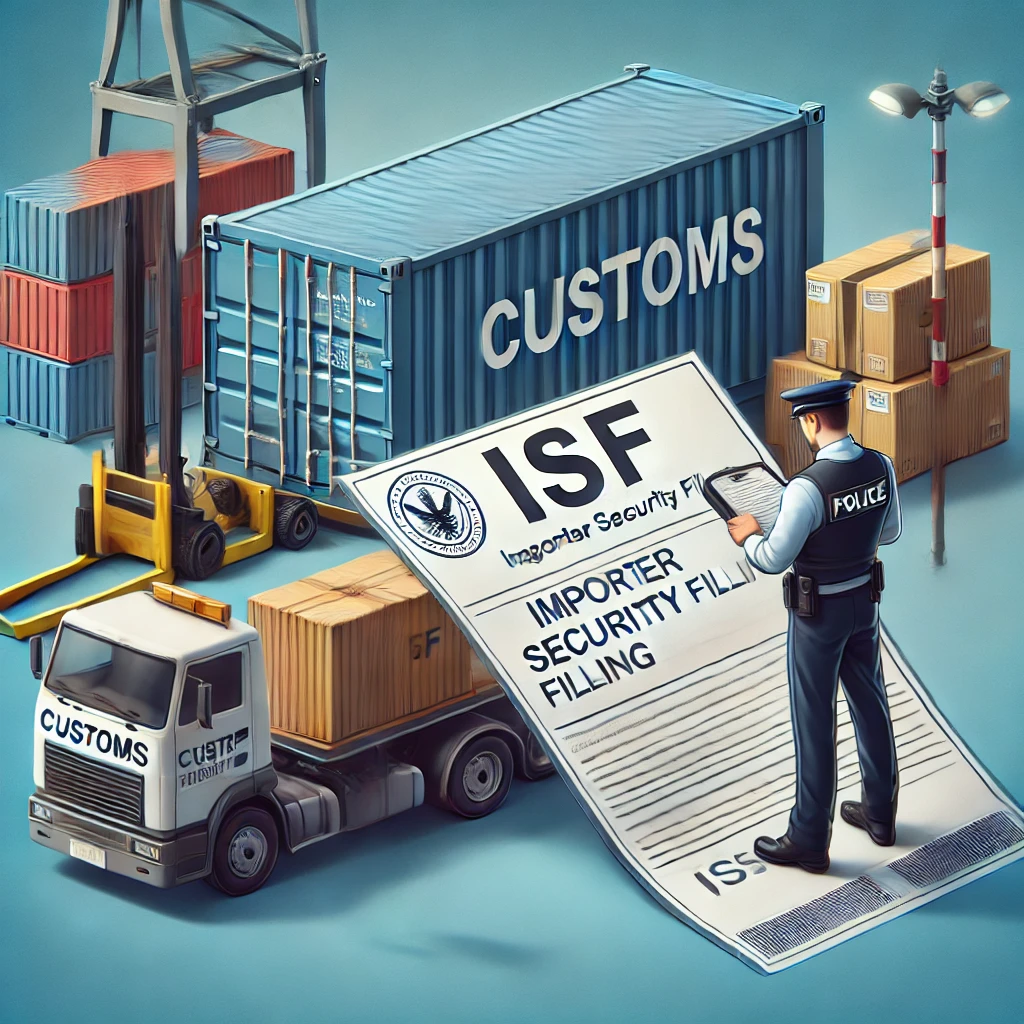
ISF Filing Requirements
The Importer Security Filing (10+2) Rule requires importers to submit 10 essential data elements and carriers to submit 2 additional data elements to CBP.
Importer’s 10 Data Elements 📦
1️⃣ Seller Name and Address – Entity selling the goods.
2️⃣ Buyer Name and Address – Entity purchasing the goods.
3️⃣ Importer of Record Number – U.S. importer’s identification (EIN or SSN).
4️⃣ Consignee Number – U.S.-based recipient’s identification.
5️⃣ Manufacturer Name and Address – Entity producing the goods.
6️⃣ Ship-to Party – Final U.S. delivery destination.
7️⃣ Country of Origin – Where the goods were manufactured.
8️⃣ Commodity HTSUS Code – 6-digit Harmonized Tariff Schedule (HTS) classification.
9️⃣ Container Stuffing Location – Where the cargo was loaded into a container.
🔟 Consolidator Name and Address – Entity responsible for cargo consolidation.
Carrier’s 2 Additional Data Elements 🚢
1️⃣ Vessel Stow Plan – Details on cargo positioning within the vessel.
2️⃣ Container Status Messages (CSM) – Tracking updates on container movements.
When to File ISF?
ISF must be filed at least 24 hours before cargo is loaded onto a vessel destined for the U.S. Failure to meet this deadline can lead to penalties and shipment delays.
Filing Timelines:
✔️ For Ocean Shipments: File at least 24 hours before loading.
✔️ For Bulk Cargo & Exemptions: Not required for non-containerized bulk cargo.
✔️ For Late ISF Filings: Late submissions may incur fines of up to $5,000 per violation.

The ISF Filing Process
Step 1: Gather Required Data 📋
Obtain all 10+2 data elements from your suppliers, freight forwarders, and carriers.
Step 2: Select a Filing Method 🖥️
- Self-Filing: Importers can file ISF through CBP-approved platforms.
- Using a Customs Broker: Many importers hire licensed brokers for compliance.
Step 3: Submit ISF Electronically 📡
- Use CBP’s Automated Broker Interface (ABI) or a certified ISF software provider.
Step 4: Monitor ISF Status 🔍
- Track your ISF status and any CBP updates.
- Ensure the carrier submits vessel stow plans and container status messages.
Step 5: Confirm Entry Filing ✅
- ISF does not replace entry (CBP Form 3461).
- Coordinate with your Customs Broker to finalize clearance.
Penalties for Non-Compliance ⚠️
CBP imposes strict penalties for ISF non-compliance:
🚨 Late Filing – Up to $5,000 per violation.
🚨 Incomplete or Incorrect Filing – Additional fines and cargo holds.
🚨 Failure to File ISF – CBP may issue liquidated damages up to $10,000.
🚨 Customs Exams & Cargo Holds – Increased inspection fees and shipping delays.
Best Practices for ISF Compliance ✅
✔️ File ISF early: Submit data well before the 24-hour deadline.
✔️ Ensure accuracy: Verify supplier, carrier, and logistics details.
✔️ Work with professionals: Use licensed customs brokers for compliance.
✔️ Use automation tools: Invest in CBP-approved ISF filing software.
✔️ Maintain records: Keep ISF filing confirmations and shipment details for audits.
✔️ Monitor shipments: Stay updated with CBP tracking and status notifications.

Frequently Asked Questions (FAQs)
Q1: Who is responsible for ISF Filing?
📌 The importer of record or their authorized agent must submit ISF.
Q2: Does ISF apply to air shipments?
📌 No, ISF only applies to ocean freight shipments.
Q3: Can ISF be amended after submission?
📌 Yes, ISF filings can be corrected before arrival in the U.S.
Q4: What happens if my ISF filing is incorrect?
📌 CBP may impose fines, cargo holds, or increased inspections.
Q5: How do I verify my ISF status?
📌 Importers can check CBP’s ACE Portal or contact their customs broker.
Conclusion
ISF filing is a crucial step in U.S. import compliance, ensuring smoother customs clearance, reduced risks, and security compliance. By following best practices and using digital tools, businesses can avoid penalties, delays, and costly mistakes.
Whether you’re a small business importing goods or a large-scale supply chain manager, ensuring timely and accurate ISF filing is essential for successful international trade operations. 🚢📦✅