
Intelligent Logistics Systems: Smarter Control for Modern Supply Chains
Intelligent logistics systems change this approach. They combine data, automation, and AI to help logistics teams understand what is happening, predict what will happen next, and act faster. The result is greater control, efficiency, and resilience across the supply chain.
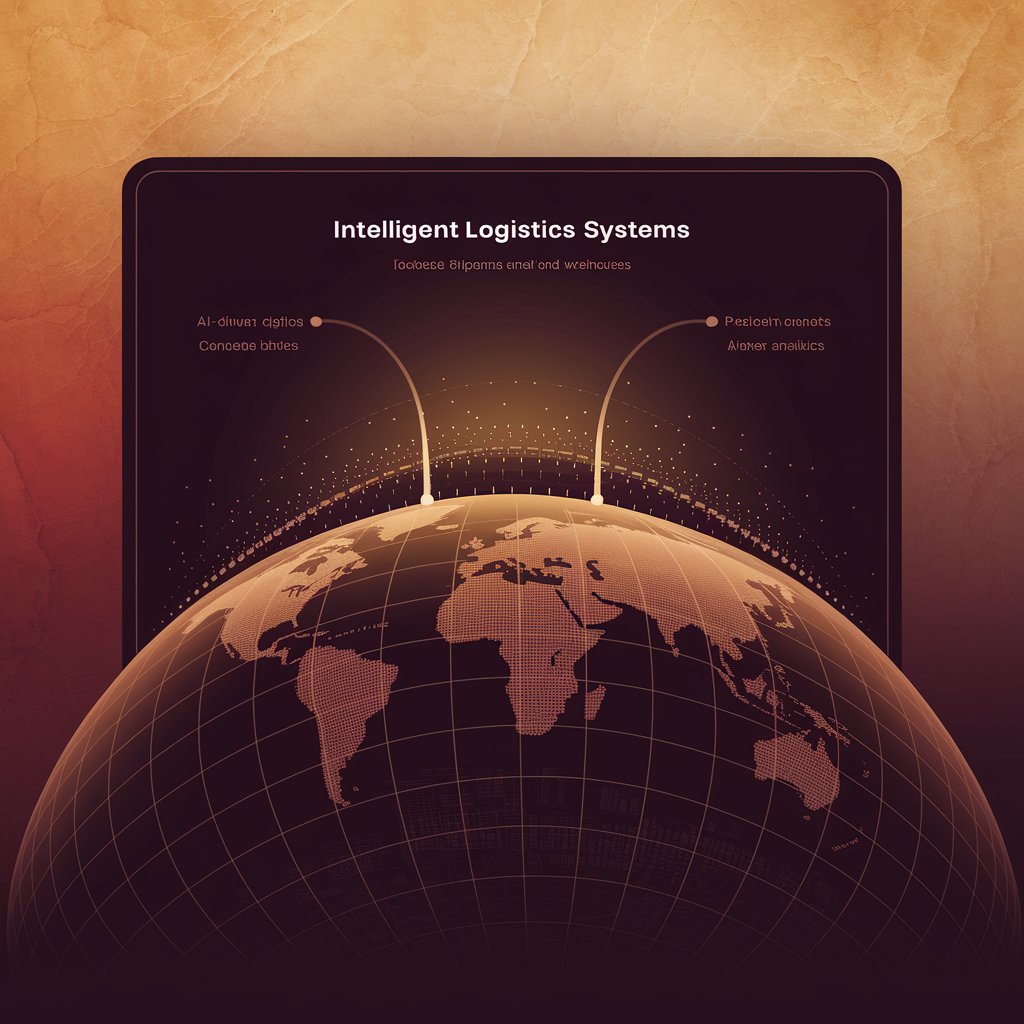
What Are Intelligent Logistics Systems?
Intelligent logistics systems are digital platforms that use AI and advanced analytics to manage logistics operations dynamically.
They connect data from transportation, warehousing, inventory, and partners.
They analyze information in real time instead of relying on static reports.
They support decisions with recommendations or automated actions.
These systems move logistics from manual coordination to intelligent, data-driven execution.
Core Capabilities of Intelligent Logistics Systems
- Real-Time Visibility
See shipments, inventory, and operations as they happen. - Predictive Intelligence
Anticipate delays, demand changes, and capacity risks. - Automated Decision Support
Recommend or trigger actions instantly. - Cross-System Integration
Connect TMS, WMS, ERP, and carrier data. - Continuous Optimization
Improve performance as conditions change.
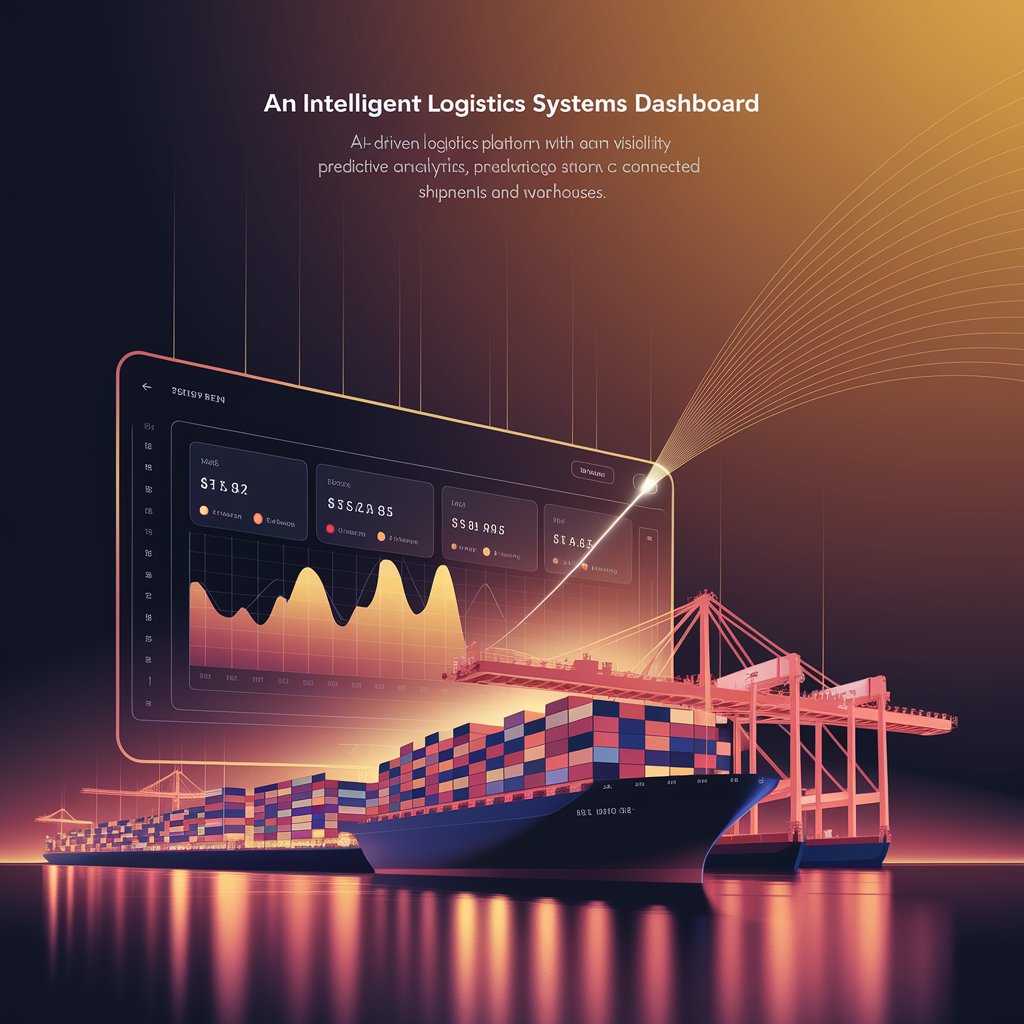
Benefits for Logistics Organizations
- Faster Decision-Making across operations
- Lower Operational Costs by reducing inefficiencies
- Higher Accuracy in planning and execution
- Improved Service Levels with reliable delivery performance
- Scalable Operations without added complexity
Real-World Applications
- Freight Forwarders: Coordinate multi-modal shipments intelligently
- 3PL Providers: Deliver real-time visibility to clients
- Manufacturers: Optimize inbound and outbound logistics
- Retail Distribution: Balance speed and cost across networks
- Global Supply Chains: Respond quickly to disruptions

Intelligent Systems vs Traditional Logistics Software
Traditional logistics software focuses on recording and reporting.
Intelligent logistics systems focus on analyzing and acting.
They adapt to change instead of following fixed rules.
They support proactive decisions rather than reactive responses.
This shift is essential for modern, high-volume logistics operations.
The Future of Intelligent Logistics Systems
The future will rely on AI agents, predictive analytics, and automation working together.
Systems will become more autonomous.
Decisions will be optimized continuously.
Human teams will focus on strategy and oversight.
Logistics operations will evolve into self-improving networks.
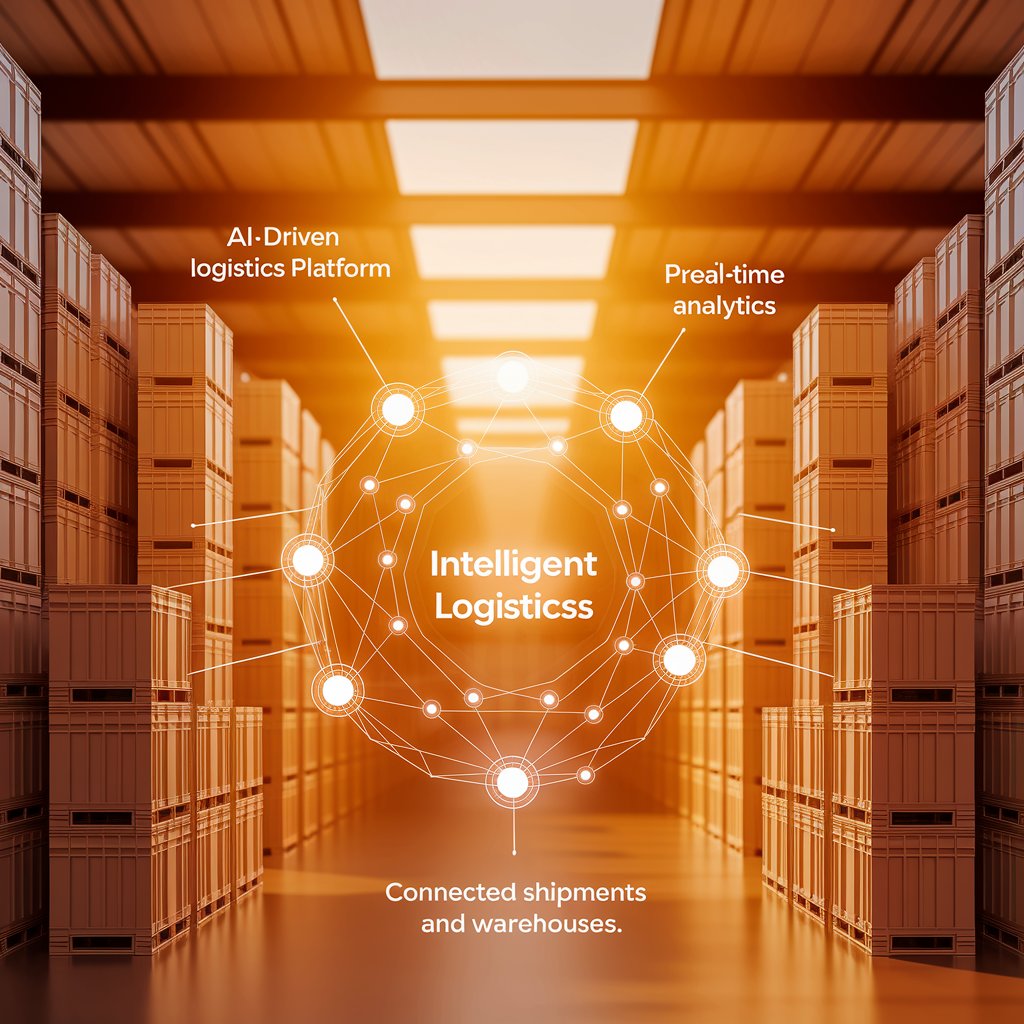
Conclusion
Intelligent logistics systems provide the foundation for smarter, faster, and more resilient supply chains. By transforming data into real-time intelligence and action, they help logistics organizations reduce costs, improve visibility, and scale with confidence.
As logistics complexity continues to grow, no longer optional—they are essential for building future-ready supply chains.