
Freight Ops: Streamlining Logistics Operations in the Digital Age
Let’s explore what means, why it’s essential, and how to level up your operations.
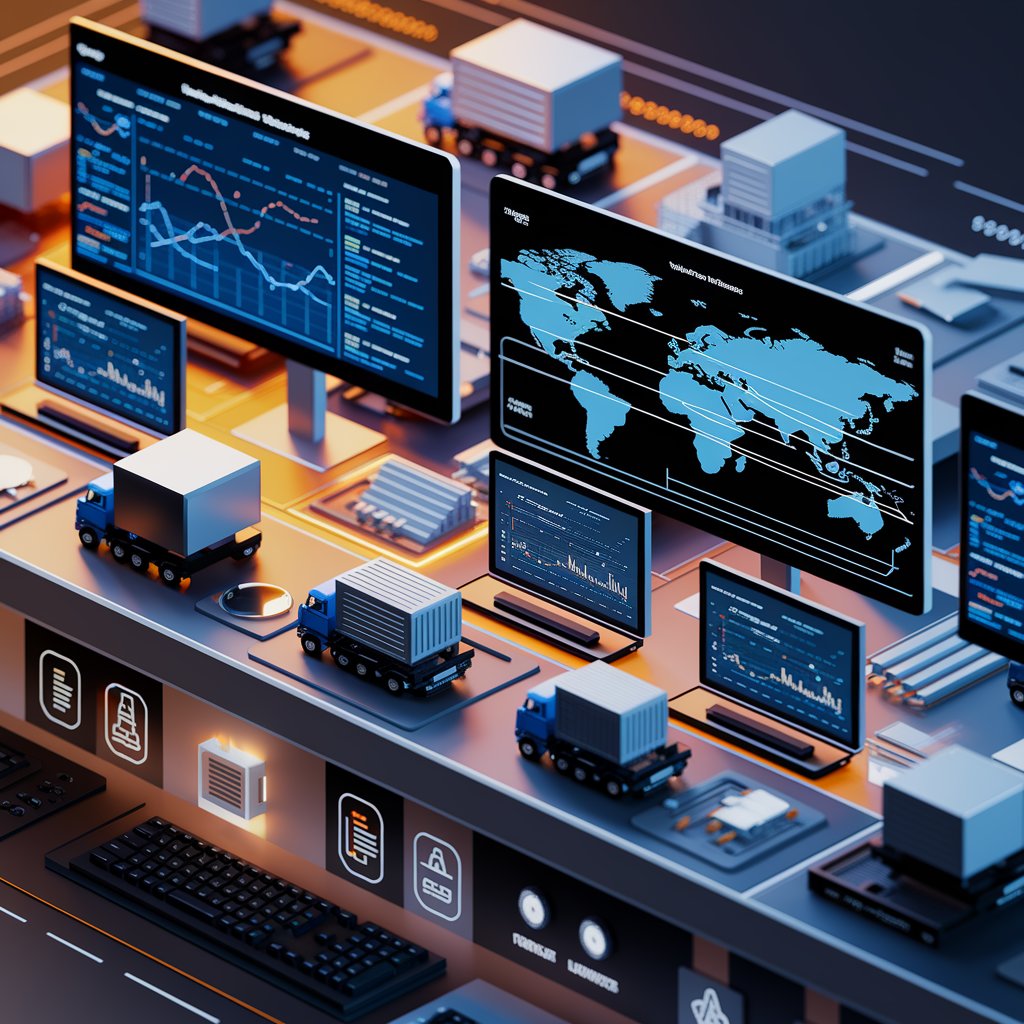
🔍 What Are Freight Ops?
Freight ops refers to the systems, processes, and teams responsible for managing the end-to-end movement of goods across land, sea, and air. It includes:
- Shipment planning and scheduling
- Carrier selection and rate negotiation
- Tracking and status updates
- Documentation and compliance
- Performance analytics and optimization
Think of freight ops as the operations engine behind any supply chain—whether you’re moving a single pallet or full containers.
🧩 Core Components of Freight Ops
Component | Role in Freight Operations |
📦 Shipment Execution | Dispatching loads and ensuring timely pickup/delivery |
🚛 Carrier Coordination | Managing third-party logistics (3PL) and fleet partners |
📲 Real-Time Tracking | Providing visibility across all transit legs |
📄 Freight Docs | Automating BOLs, customs forms, invoices |
📉 Cost Control | Monitoring spend and auditing carrier invoices |
📊 Reporting | Analyzing delivery times, exceptions, and performance KPIs |

🚀 Why Freight Ops Matter
Effective lead to:
- ✅ Fewer delays through better coordination and tracking
- 📈 Higher customer satisfaction via proactive updates
- 💰 Reduced costs through automation and rate comparison
- 📊 Data-driven decisions that improve carrier performance
- 🔄 Scalability as your logistics network grows
Whether you manage 50 or 5,000 shipments a month, optimized freight ops save time, money, and headaches.
💡 Freight Ops vs. Traditional Logistics
Traditional Logistics | Modern Freight Ops |
Manual scheduling via phone/email | Automated platforms with centralized dashboards |
Limited shipment visibility | Real-time GPS and milestone tracking |
Reactive issue management | Proactive alerts and exception workflows |
Siloed data | Integrated insights across systems |
Modern embrace technology + process alignment to improve outcomes.
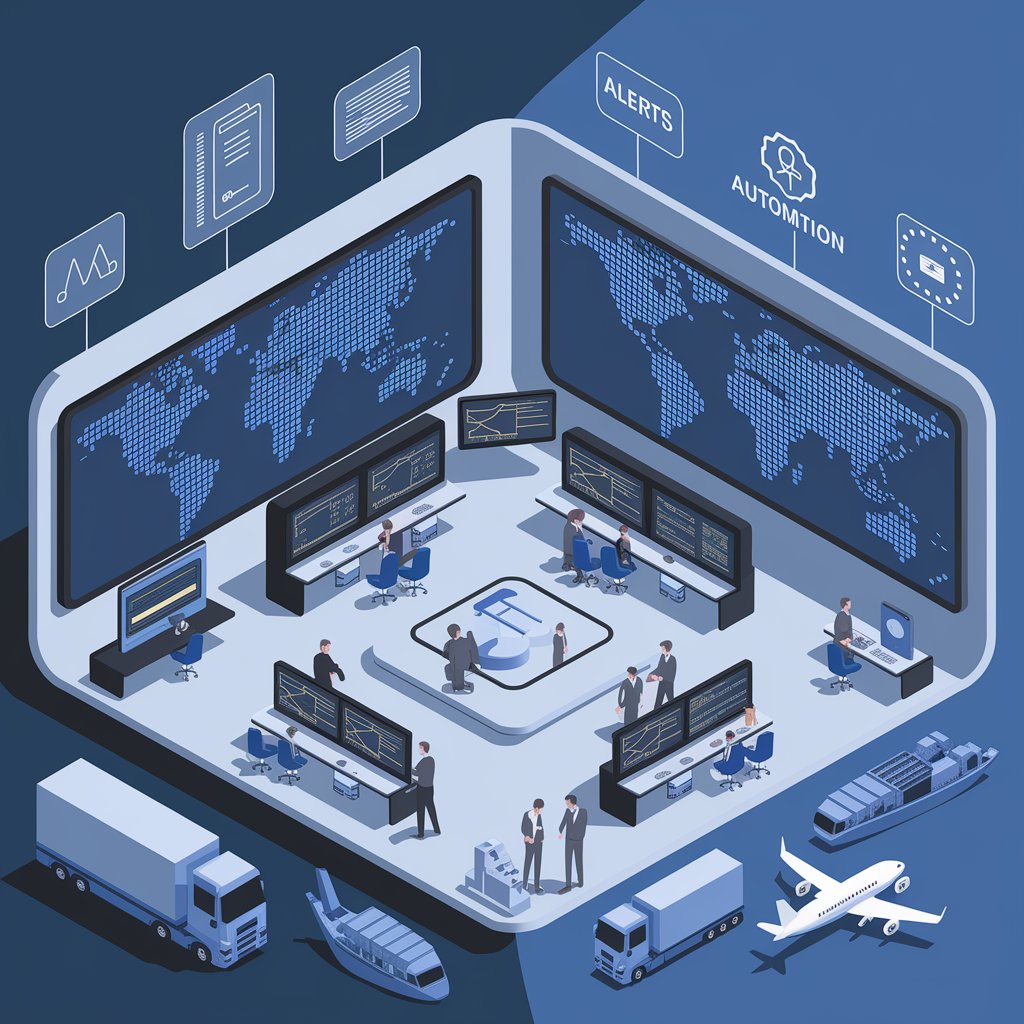
🛠️ Tech Stack
To stay competitive, teams rely on digital tools like:
- Freight management software (FMS)
- Transportation management systems (TMS)
- Carrier tracking APIs and ELD integrations
- Customer visibility portals
- Business intelligence dashboards
Solutions like Linbis, Project44, CargoWise, and FourKites are redefining how logistics teams operate.
👥 Who Runs Freight Ops?
A typical freight ops team may include:
- 📦 Logistics Coordinators
- 📞 Carrier Relations Specialists
- 📊 Freight Analysts
- 👨💻 Operations Managers
- 🧠 System Integrators / IT Support
In smaller firms, freight ops may be handled by a single person using freight software. In larger companies, it’s often a dedicated department.
🔄 Common Challenges
Despite digitization, still face:
- 🕒 Missed pickups or delays
- 🧾 Inconsistent paperwork or compliance issues
- 🌎 Limited international visibility
- 🔧 System integration problems
- 🤝 Carrier performance variability
These are exactly the areas where strong processes and smart tech deliver value.
🏁 Final Thoughts
Freight ops is more than just moving cargo—it’s the strategy, tools, and talent behind flawless delivery execution. As logistics complexity grows, investing in better freight ops is no longer optional—it’s essential.
📦 Want to run smoother, smarter freight operations? Start by aligning your people, processes, and platforms to unlock visibility, control, and growth.