
End to End Supply Chain: Complete Visibility and Control in Modern Logistics
What Is an End to End Supply Chain?
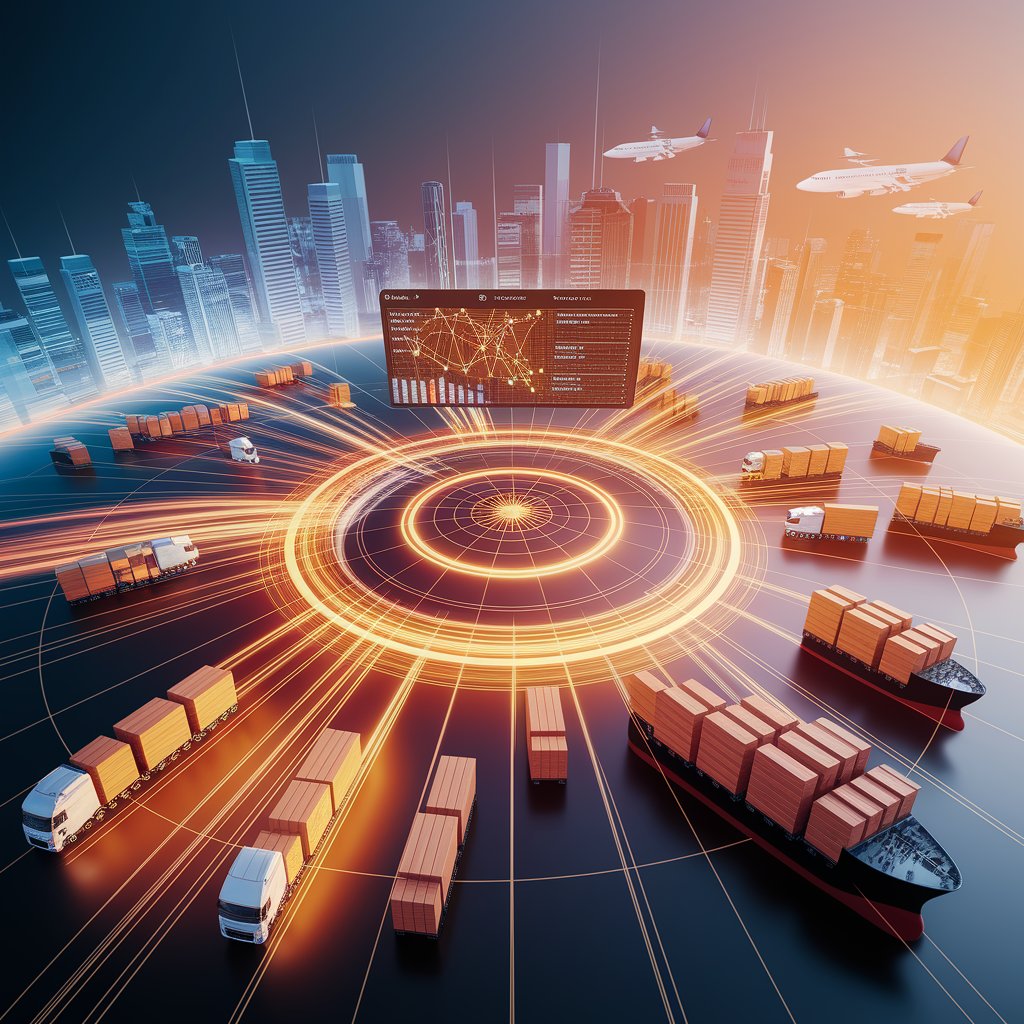
An end to end supply chain refers to the complete integration and management of all supply chain activities, from raw material sourcing to final product delivery.
This includes:
🏭 Procurement and sourcing
📦 Inventory management
🚚 Transportation and distribution
📊 Demand planning
📍 Final delivery to customers
The goal is to create a seamless flow of goods, data, and processes across the entire supply chain.
Why Is an End to End Supply Chain Important?
Traditional supply chains often operate in silos, leading to inefficiencies and lack of visibility. An end to end eliminates these gaps.
1. Full Visibility
Businesses can track:
- Inventory levels
- Shipment status
- Supplier performance
2. Better Coordination
All departments and partners work with the same data, improving collaboration.
3. Faster Decision-Making
Real-time insights allow companies to respond quickly to disruptions or demand changes.

Key Components of an End to End Supply Chain
To build an effective end to end , companies need to integrate several key components.
Procurement and Supplier Management
Managing suppliers efficiently ensures a steady flow of materials.
Inventory and Warehouse Management
Optimizing inventory levels reduces costs and improves availability.
Transportation and Distribution
Efficient transportation ensures timely delivery of goods.
Data Integration
Connecting systems allows for real-time data sharing across the supply chain.
Technologies Supporting an End to End Supply Chain
Modern technology is essential for achieving an end to end supply chain.
Cloud-Based Platforms
Enable centralized access to data and operations.
Data Analytics
Provide insights for forecasting and optimization.
Automation Tools
Reduce manual processes and improve efficiency.
IoT and Tracking Systems
Offer real-time visibility into shipments and inventory.

Benefits of an End to End
Adopting an end to end supply chain approach offers significant advantages.
Improved Efficiency
Streamlined processes reduce delays and bottlenecks.
Cost Reduction
Better planning and coordination lower operational expenses.
Enhanced Customer Experience
Faster and more reliable deliveries improve satisfaction.
Greater Agility
Companies can quickly adapt to changes in demand or disruptions.
Use Cases of End to End Supply Chain
An end to end is applicable across multiple industries.
Ecommerce
From order placement to last-mile delivery.
Manufacturing
From raw material sourcing to product distribution.
Retail
From supplier coordination to store replenishment.
How to Implement an End to End Supply Chain
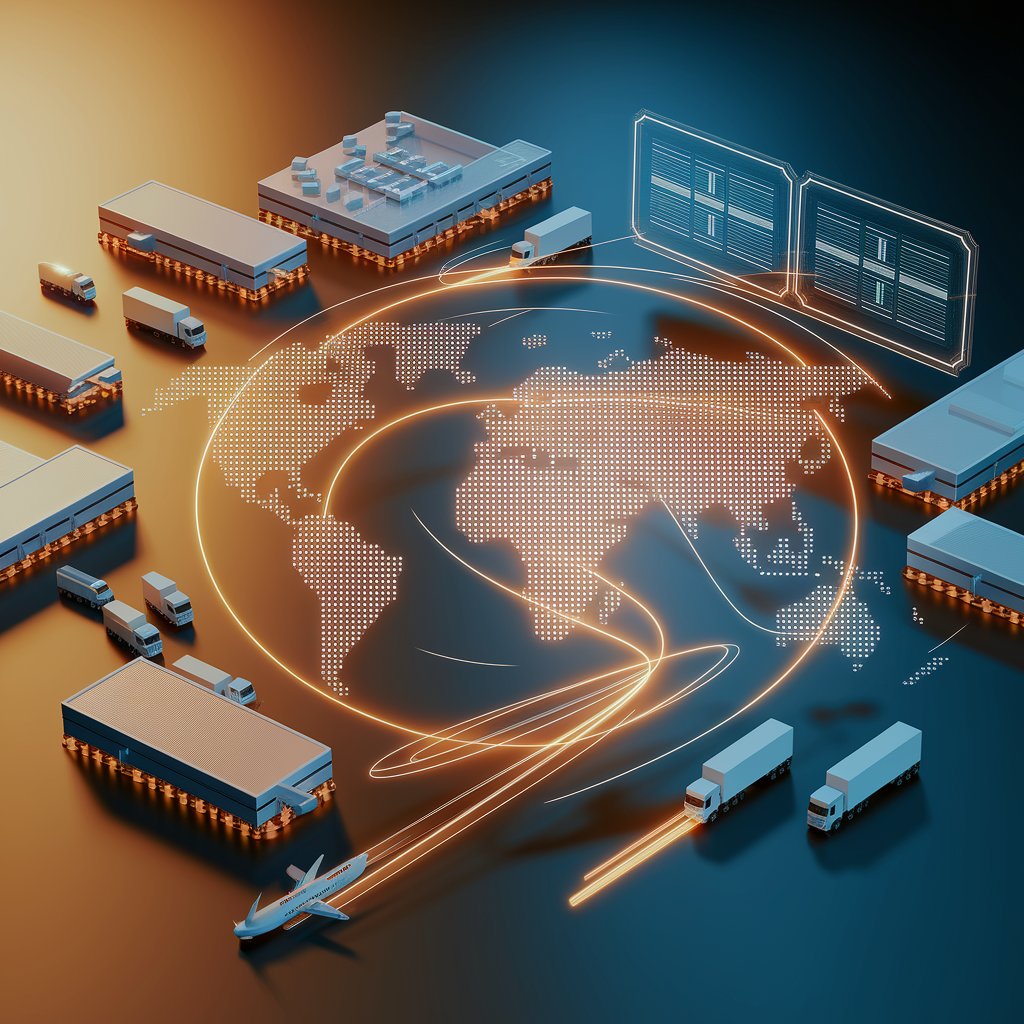
To implement an end to end, follow these steps:
1️⃣ Map your current supply chain processes
2️⃣ Identify gaps and inefficiencies
3️⃣ Implement integrated software solutions
4️⃣ Connect all stakeholders and systems
5️⃣ Monitor performance and optimize continuously
Conclusion
An end to end is a powerful approach for companies aiming to achieve full visibility, efficiency, and control over their logistics operations. By integrating all processes and leveraging technology, businesses can reduce costs, improve performance, and deliver better customer experiences.
Investing in an end to end supply chain is key to staying competitive in today’s fast-evolving logistics landscape.