
Digital Freight Management System: Transforming Modern Logistics Operations

What Is a Digital Freight Management System?
A digital freight management system is a software platform designed to manage and automate freight operations from end to end.
It typically includes:
📦 Shipment management
🚚 Carrier coordination
📄 Digital documentation
📊 Real-time tracking and reporting
🔗 Integration with logistics partners
The goal is to centralize all freight operations into a single, efficient system.
Why Is a Digital Freight Management System Important?
Traditional freight management relies on spreadsheets, emails, and disconnected tools. A digital freight management system solves these challenges.
1. Centralized Operations
All logistics processes are managed in one platform, improving efficiency and organization.
2. Real-Time Visibility
Companies can track shipments, monitor performance, and access data instantly.
3. Reduced Manual Work
Automation eliminates repetitive tasks and reduces human error.

Key Features of a Digital Freight Management System
To deliver maximum value, a digital freight management system includes essential features.
Shipment Tracking
Monitor shipments in real time across all transportation modes.
Automated Documentation
Generate and manage documents such as:
- Bills of lading
- Invoices
- Shipping instructions
Carrier Management
Easily coordinate with multiple carriers and compare rates.
Data Integration
Connect with:
- ERP systems
- WMS platforms
- External logistics partners
Benefits of a Digital Freight Management System
Adopting a digital freight management system provides clear advantages.
Increased Efficiency
Streamlined workflows reduce processing time.
Cost Reduction
Automation and optimization lower operational expenses.
Improved Accuracy
Digital processes minimize errors and inconsistencies.
Better Decision-Making
Real-time data supports smarter logistics decisions.
Use Cases of Digital Freight Management Systems
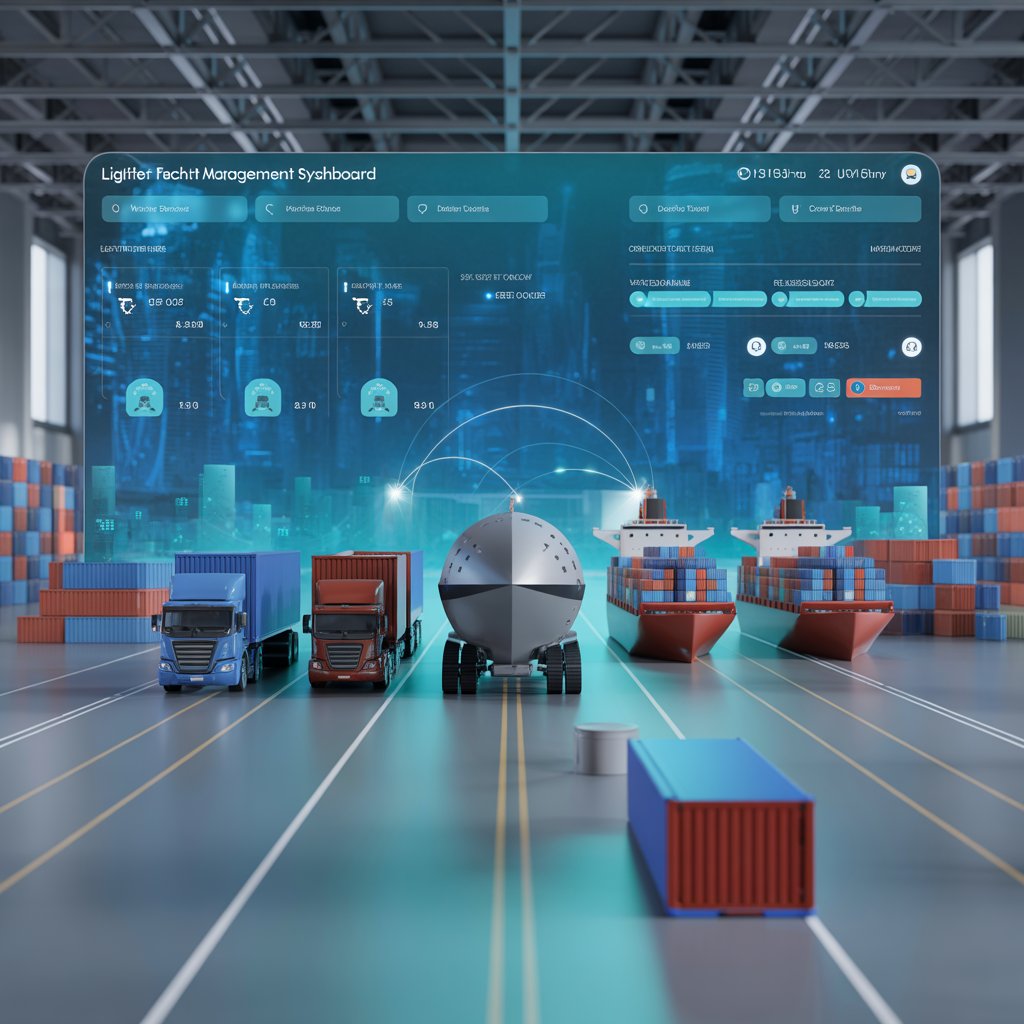
A digital freight management system is widely used across industries.
Freight Forwarders
Manage quotes, shipments, and documents in one platform.
Ecommerce
Handle shipping operations and fulfillment efficiently.
3PL Providers
Coordinate multiple clients and logistics operations.
How to Implement a Digital Freight Management System
To implement a digital freight management system, follow these steps:
1️⃣ Analyze current freight processes
2️⃣ Identify inefficiencies and manual tasks
3️⃣ Select the right software solution
4️⃣ Integrate with existing systems
5️⃣ Train teams and optimize workflows
Conclusion
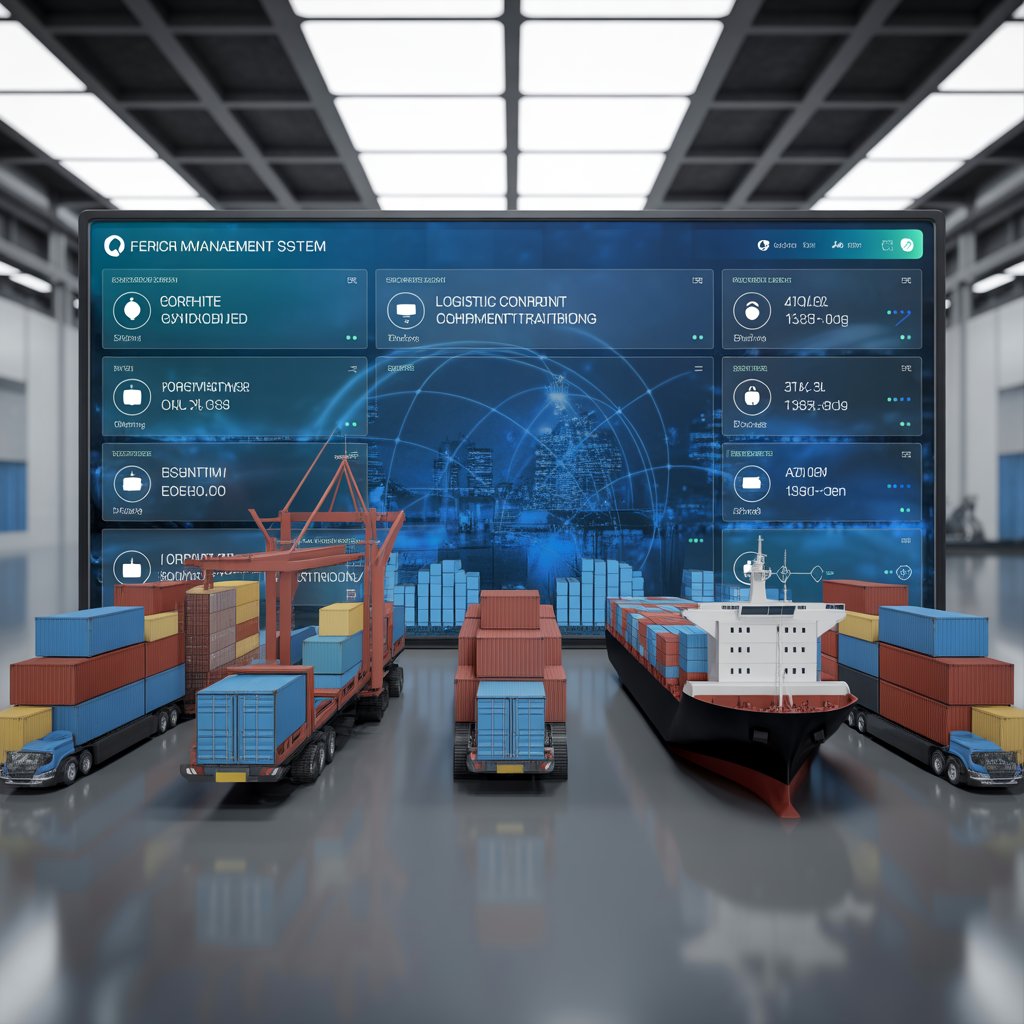
A digital freight management system is essential for companies looking to modernize their logistics operations. By centralizing processes, improving visibility, and automating workflows, businesses can increase efficiency and stay competitive in today’s digital logistics environment.
Investing in a digital freight management system is a strategic step toward a smarter and more connected supply chain.