
Blockchain in International Transport: Redefining Trust and Transparency in Global Logistics

Introduction
Blockchain in international transport solves these problems by creating a secure, decentralized network where every transaction and shipment record is traceable, verifiable, and tamper-proof.
This technology represents a fundamental shift toward trust-based automation and visibility in logistics.
What Is Blockchain in International Transport?
Blockchain is a distributed digital ledger that records transactions across multiple computers in a way that makes them immutable and transparent.
In the context of international transport, blockchain enables:
- Real-time document verification
- Secure transfer of trade data
- Automated customs and compliance validation
- End-to-end shipment traceability
Each participant in the network — from exporters to port authorities — can access a single source of truth without relying on intermediaries.
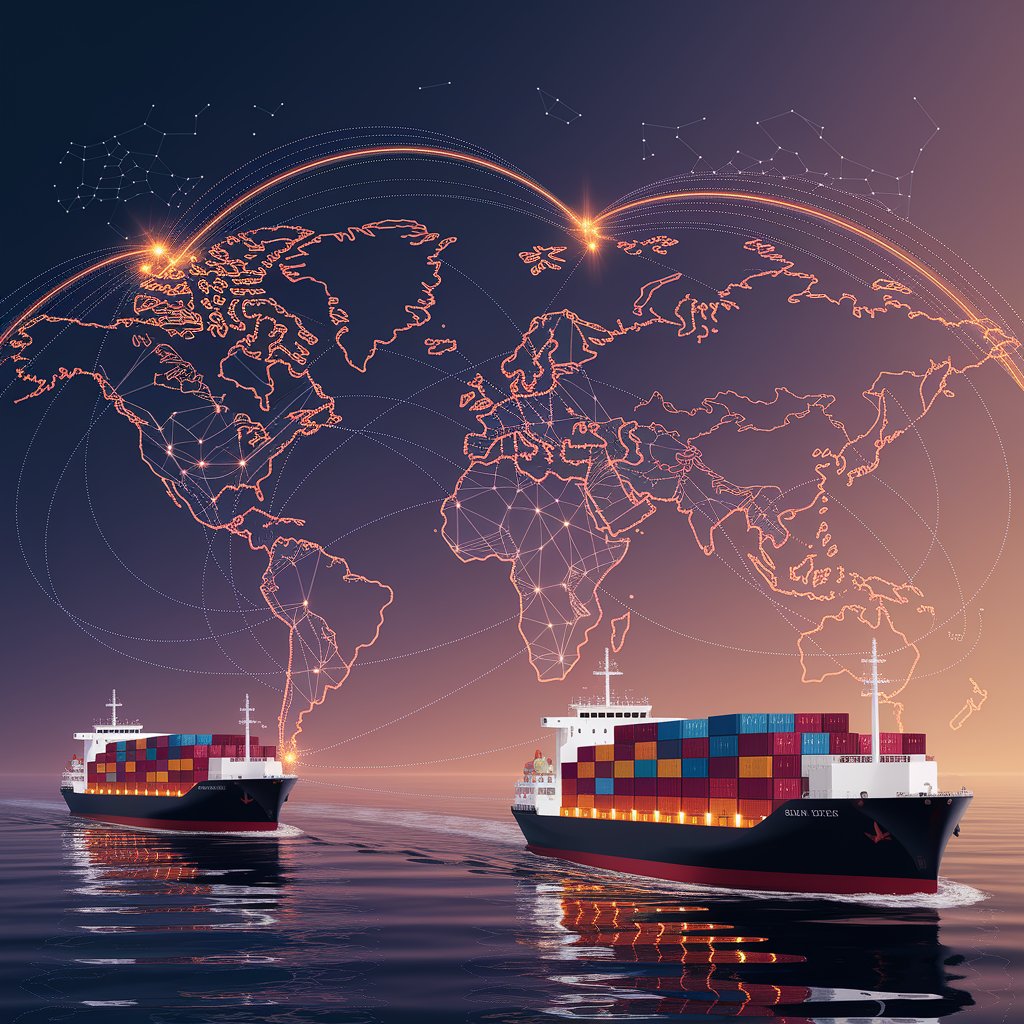
How It Works
- Data Recording: Every event (shipment, payment, customs clearance) is logged as a “block.”
- Verification: The network validates each block using encryption and consensus mechanisms.
- Immutable Storage: Once verified, records cannot be altered or deleted.
- Access: Authorized users view transaction history through smart contracts or secure interfaces.
This structure eliminates disputes, ensures data integrity, and drastically reduces administrative work.
Key Benefits of Blockchain in International Transport
- Transparency: Every stakeholder accesses the same verified information in real time.
- Security: Encrypted data and immutable ledgers prevent fraud or manipulation.
- Efficiency: Automates documentation, customs clearance, and invoicing.
- Cost Reduction: Fewer intermediaries and faster transaction approvals.
- Traceability: Provides complete shipment visibility across global routes.
- Trust: Builds stronger relationships among carriers, shippers, and authorities.
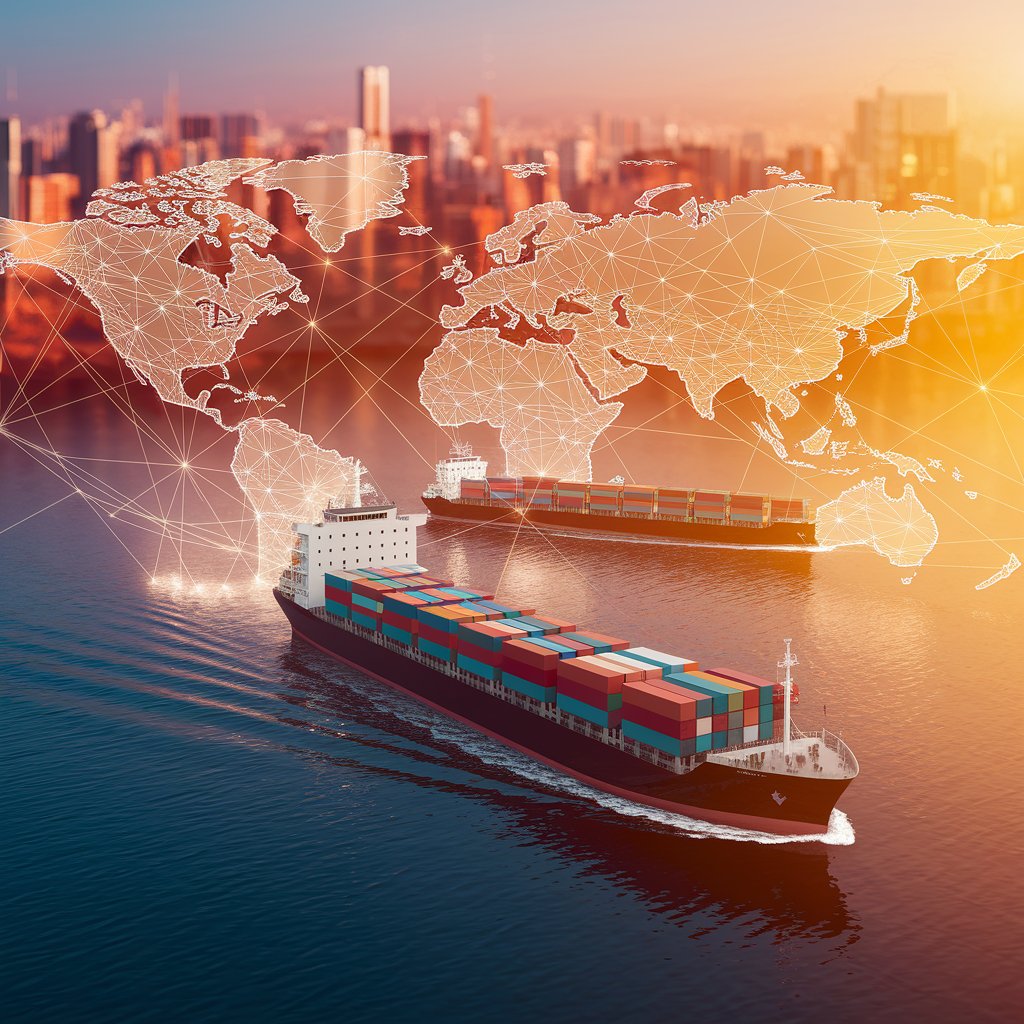
Applications in Global Logistics
- Trade Documentation: Smart contracts automatically validate Bills of Lading and customs forms.
- Container Tracking: IoT devices connected to blockchain provide verified real-time location data.
- Freight Payments: Instant, verified digital transactions eliminate delays and banking errors.
- Customs Compliance: Automated cross-border document sharing simplifies audits.
- Anti-Fraud Controls: Prevents double-booking or data tampering.
Real-World Example
Maersk and IBM’s TradeLens platform pioneered blockchain in shipping, connecting over 90 global ports and customs agencies. Results included:
- 40% faster documentation processing
- 50% fewer data disputes
- Significant reduction in administrative costs
This case proved that blockchain can make international transport more transparent, reliable, and efficient.
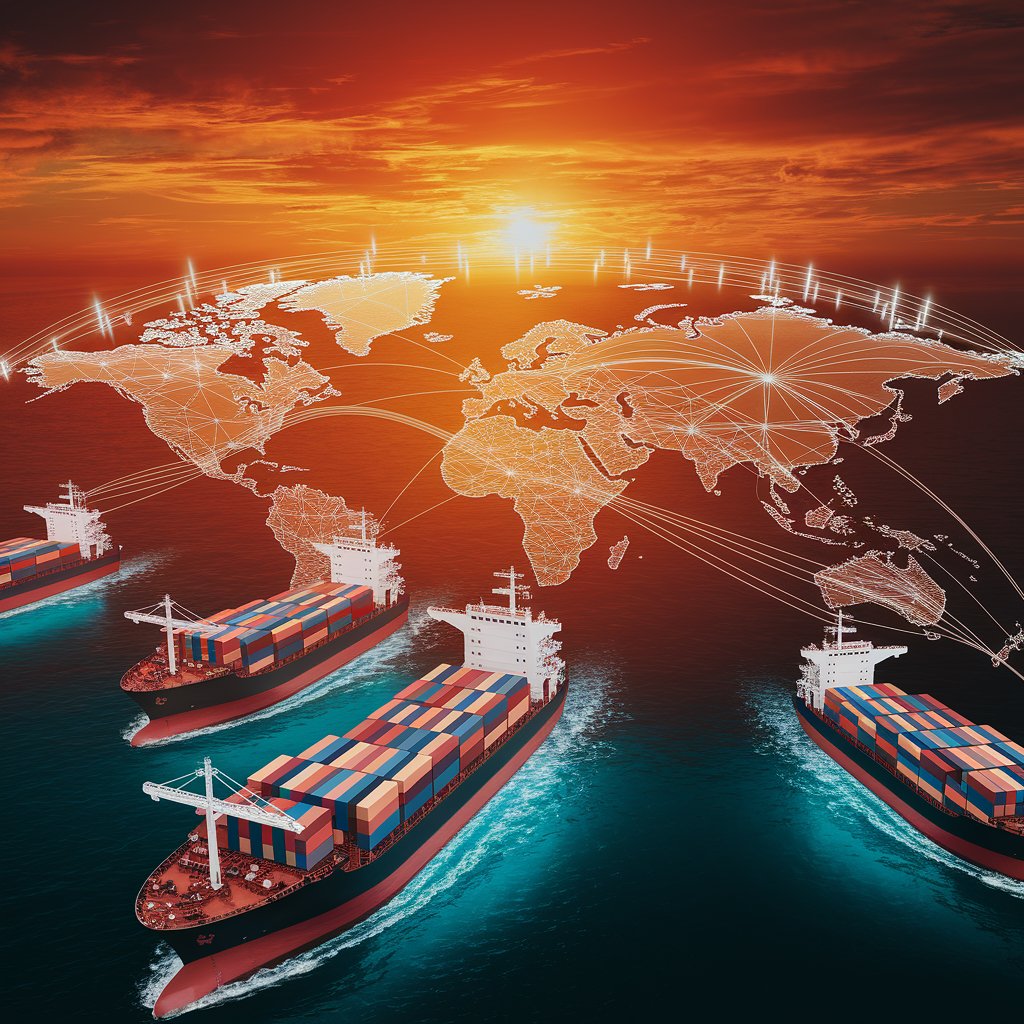
Future of Blockchain in Transport
Blockchain will soon merge with AI, IoT, and digital twins to create fully automated, self-verifying supply chains. Expect to see:
- Real-time compliance automation
- Tokenized freight payments
- Carbon footprint tracking for sustainability
- Global blockchain consortia standardizing logistics protocols
The future of global trade will be data-verified, secure, and decentralized.
Conclusion
Blockchain in international transport redefines how the logistics world handles trust, data, and collaboration.
By ensuring transparency and efficiency across borders, blockchain builds stronger partnerships, faster operations, and more resilient supply chains.
In global logistics, transparency is power — and blockchain delivers it.