
Artificial Intelligence in Warehouses: The Future of Smart Logistics
Introduction
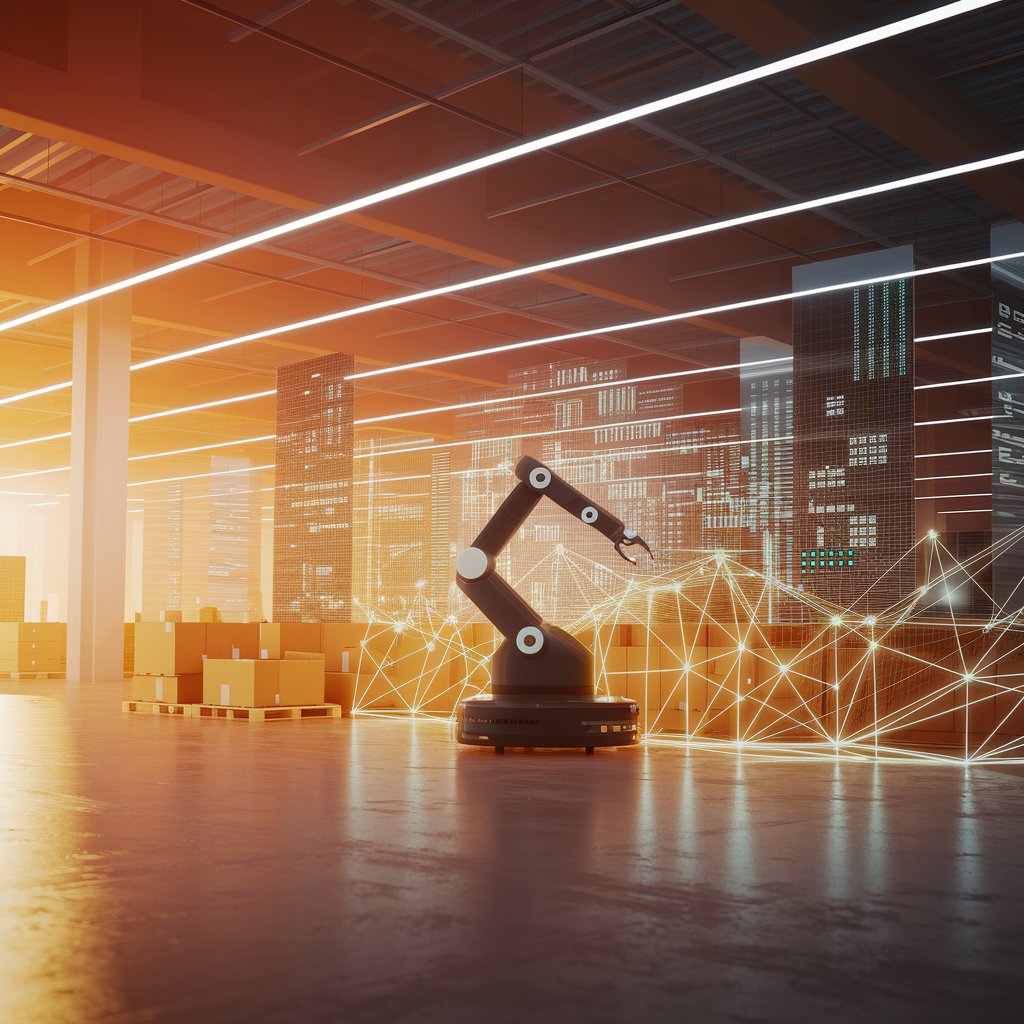
The solution? Artificial intelligence in warehouses — the technology transforming traditional storage into intelligent, data-driven operations.
AI enables real-time decision-making, predictive maintenance, and process automation, helping logistics companies operate smarter and faster while cutting costs and errors.
What Is Artificial Intelligence in Warehouses?
Artificial intelligence (AI) in warehouses refers to the use of machine learning algorithms, data analytics, and automation systems to enhance warehouse operations.
Rather than relying solely on manual processes, AI systems analyze massive amounts of data to predict demand, optimize space, and automate repetitive tasks.
Key technologies include:
- Robotic Process Automation (RPA): Automates picking, sorting, and packing.
- Computer Vision: Guides robots and scans barcodes or damages.
- Machine Learning: Forecasts demand and inventory turnover.
- IoT Sensors: Monitor environmental conditions in real time.
- AI-Driven WMS: Coordinates all activities with precision.
How It Works
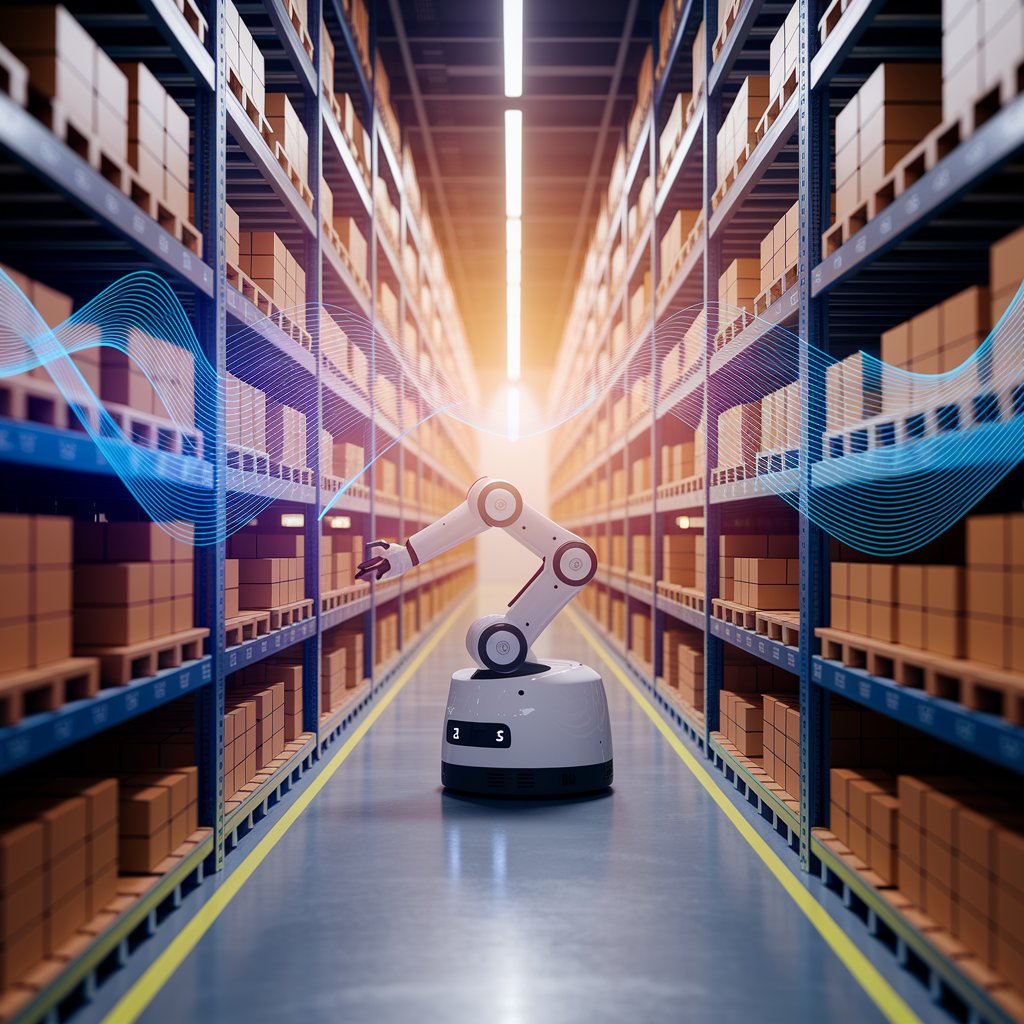
- Data Collection: Sensors, scanners, and cameras gather real-time warehouse data.
- Analysis: AI systems process this data to detect patterns and inefficiencies.
- Automation: Robots perform repetitive tasks autonomously.
- Optimization: Machine learning adjusts operations dynamically for maximum efficiency.
- Prediction: AI forecasts product demand, maintenance needs, and labor allocation.
This creates a self-optimizing warehouse where decisions are data-driven rather than reactive.
Benefits of Artificial Intelligence in Warehouses
- Increased Accuracy: AI minimizes human error in picking and inventory management.
- Higher Productivity: Automated systems speed up operations.
- Predictive Maintenance: Prevents downtime by forecasting equipment issues.
- Cost Efficiency: Reduces labor costs and optimizes space utilization.
- Data Visibility: Provides clear insights into operations and performance.
- Scalability: Easily adapts to growth or seasonal fluctuations.
AI transforms warehouses into intelligent logistics centers that continuously improve performance.
Integration with Logistics Systems
Artificial intelligence in warehouses integrates seamlessly with:
- TMS (Transportation Management Systems): For synchronized inbound/outbound scheduling.
- ERP systems: For financial and procurement alignment.
- CRM platforms: To enhance customer visibility and service accuracy.
Integration ensures warehouse operations are part of a connected, automated logistics ecosystem.
Real-World Example
Amazon is a leading example of AI-driven warehousing. Its fulfillment centers use thousands of autonomous robots to transport goods, guided by AI algorithms that optimize storage and order picking routes.
The results:
- 20% faster fulfillment times
- 50% fewer errors
- Significant reduction in labor costs
AI has become a strategic necessity in warehouse management.

The Future of AI in Warehousing
Emerging trends include:
- Generative AI for real-time logistics insights.
- Collaborative robots (cobots) working safely alongside humans.
- Digital twins for warehouse simulation and planning.
- 5G and edge computing for ultra-fast communication between machines.
AI will soon enable fully autonomous, self-learning warehouses capable of adapting to every operational change.
Conclusion
Artificial intelligence in warehouses revolutionizes how logistics teams handle inventory, labor, and processes.
By combining automation, data, and predictive intelligence, companies can boost performance and achieve continuous optimization.
The warehouse of the future isn’t just automated — it’s intelligent, connected, and proactive.