
AI Maturity Model for Logistics: From Manual Operations to Intelligent Supply Chains
An AI maturity model for logistics provides a clear framework to evaluate current capabilities and plan a realistic path toward smarter, more autonomous supply chain operations—without skipping critical steps.
What Is an AI Maturity Model for Logistics?
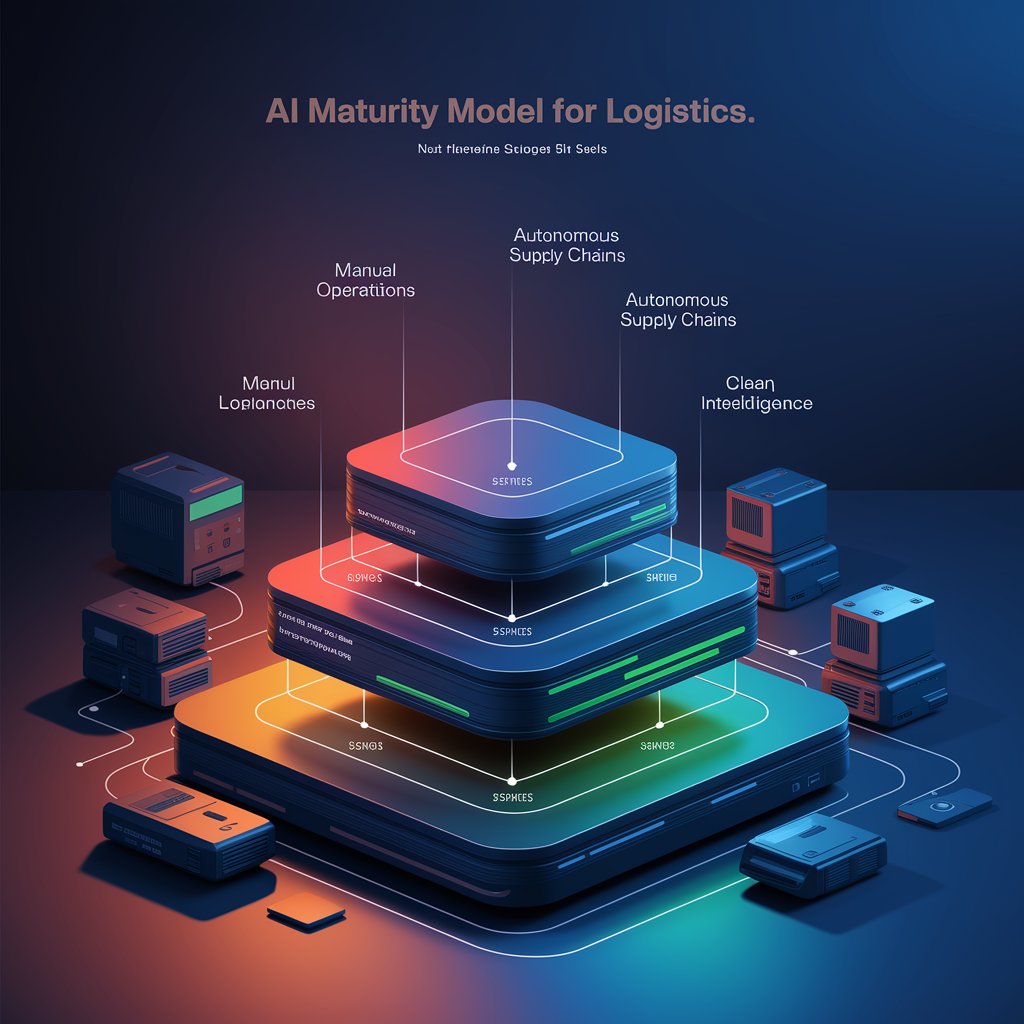
An AI maturity model for logistics is a structured framework that describes how organizations evolve in their use of AI over time.
It helps assess current technology, data readiness, and operational practices.
It defines stages of AI adoption, from basic automation to advanced intelligence.
It guides investment and prioritization decisions.
Most importantly, it aligns AI initiatives with real business outcomes.
Stage One: Manual and Reactive Operations
At this stage, logistics processes are mostly manual and reactive.
Data is stored in spreadsheets or disconnected systems.
Decisions depend heavily on human experience.
Visibility is limited and delayed.
AI plays little to no role in daily operations.
Stage Two: Basic Automation and Reporting
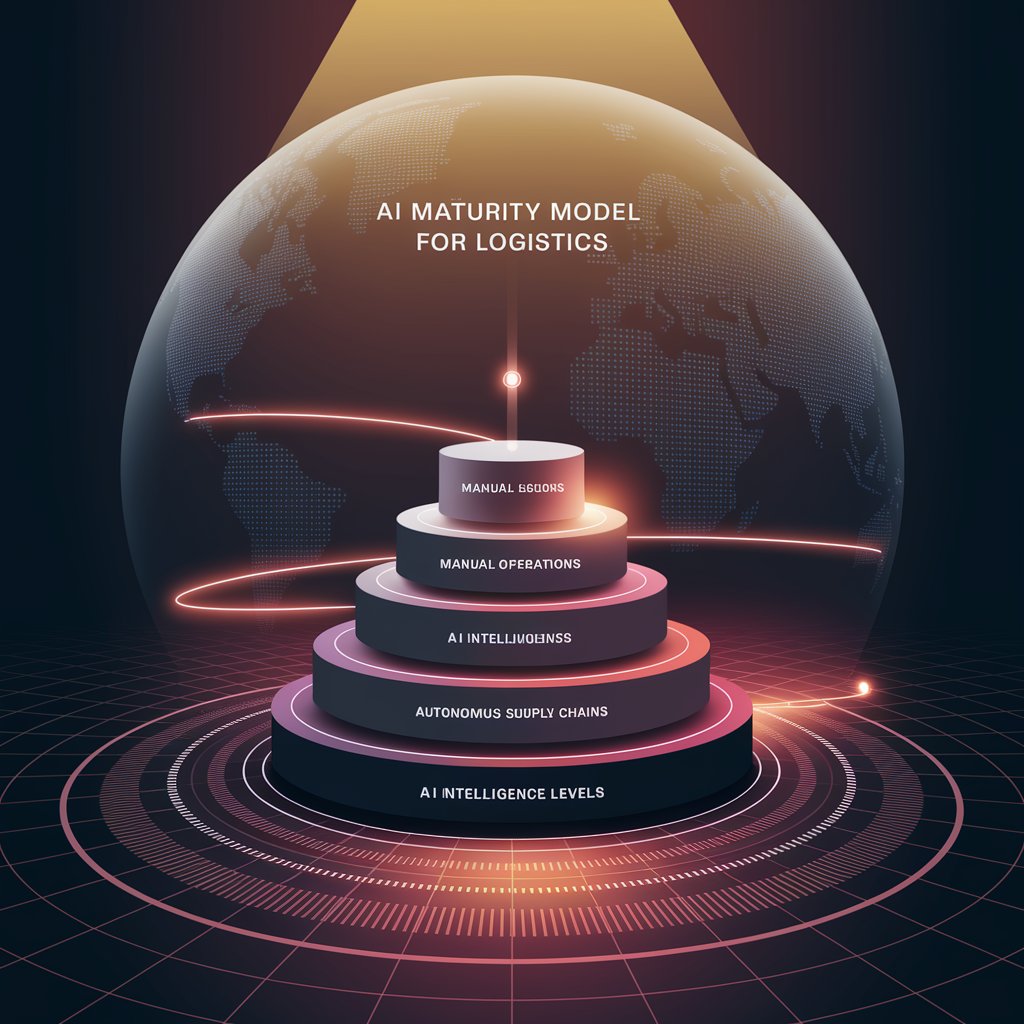
Organizations introduce rule-based automation and basic analytics.
Standard workflows are automated.
Dashboards provide historical performance reports.
Decisions are still reactive but faster.
This stage improves efficiency but lacks adaptability.
Stage Three: Data-Driven Optimization
At this level, data becomes a strategic asset.
Systems integrate across transportation, warehousing, and inventory.
Predictive analytics support planning.
Optimization focuses on cost, routes, and capacity.
AI assists decisions but does not act autonomously.
Stage Four: Intelligent AI Agents
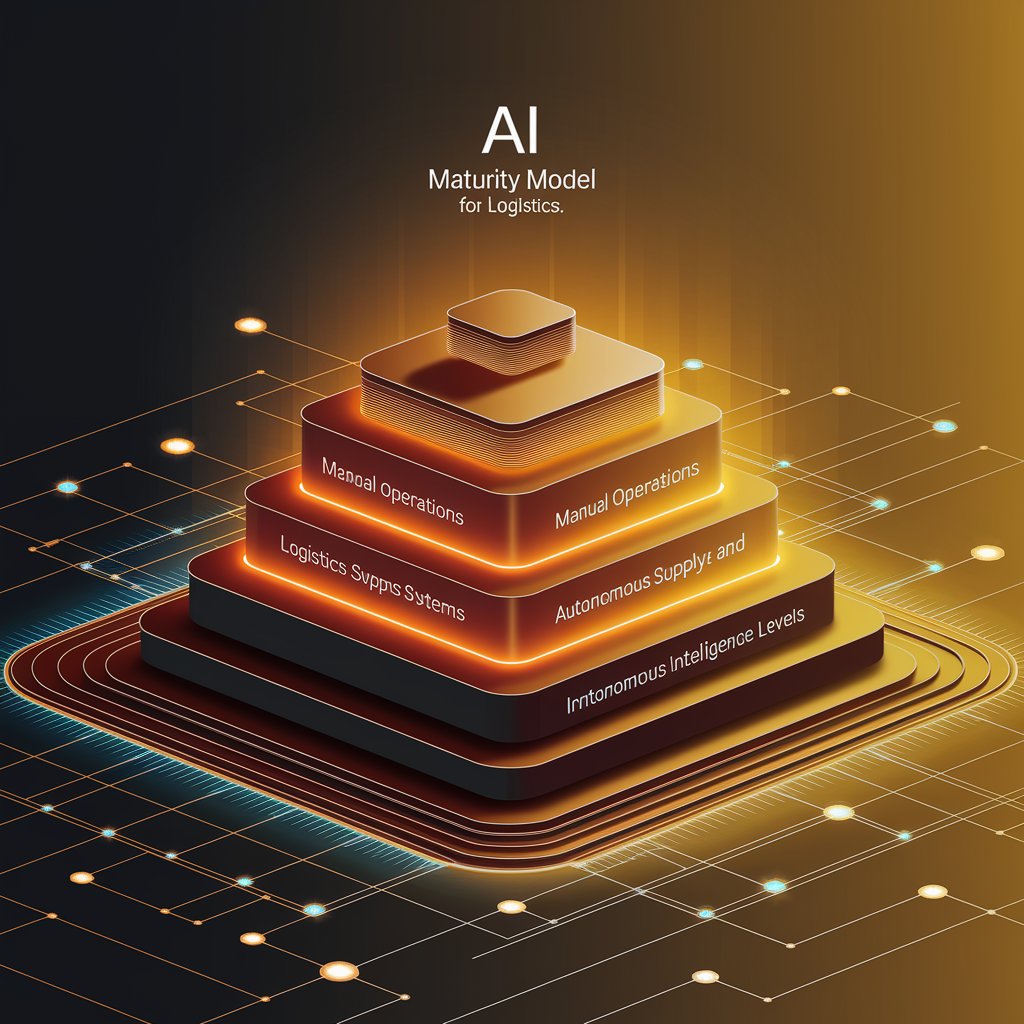
Logistics operations introduce AI agents.
Agents monitor data in real time.
They make decisions within defined boundaries.
Agents trigger actions automatically.
Human teams shift from execution to oversight.
Operations become proactive and adaptive.
Stage Five: Autonomous Supply Chains
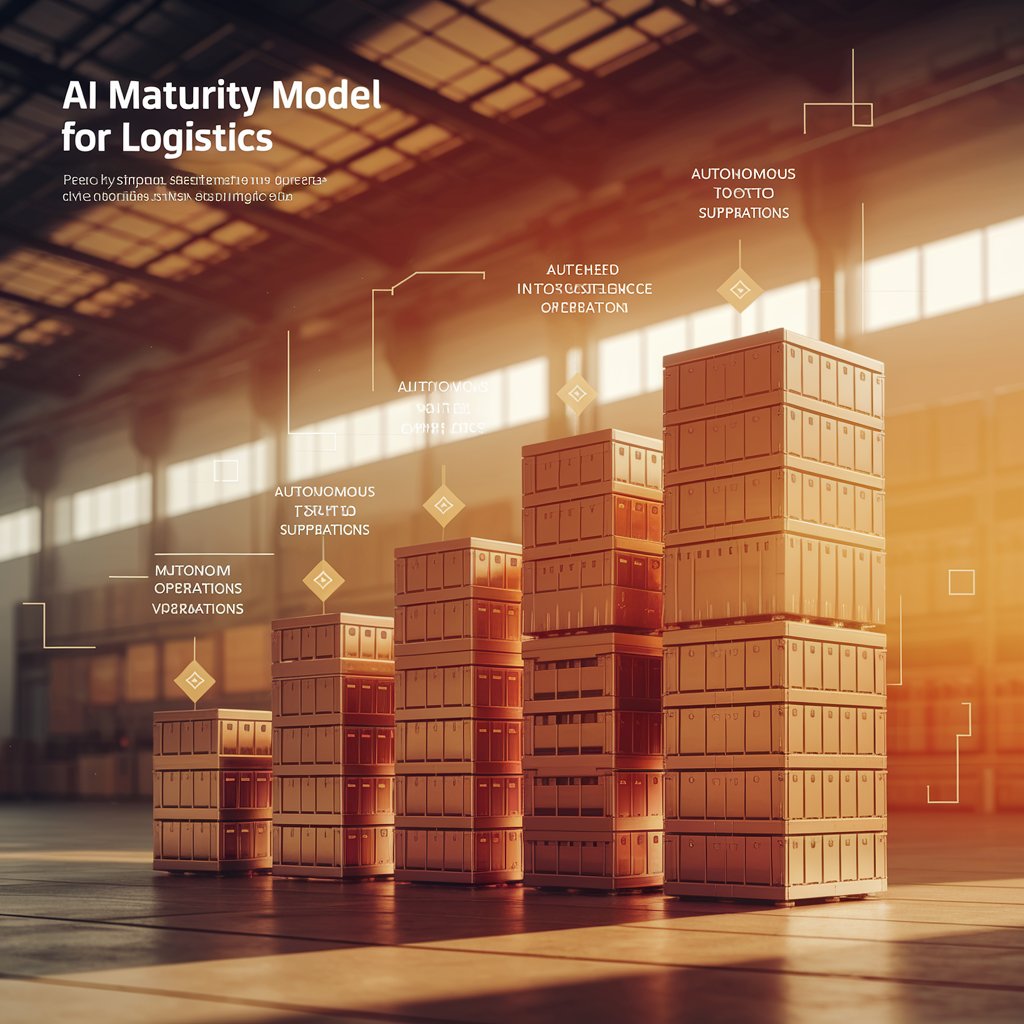
At the highest maturity level, logistics becomes self-optimizing.
Multiple AI agents collaborate across functions.
Decisions are autonomous and continuous.
Human roles focus on strategy, governance, and innovation.
Supply chains adapt instantly to change.
Why the AI Maturity Model Matters
- Clarifies Current Capabilities
Know exactly where your organization stands. - Reduces Risk
Avoid jumping into advanced AI too early. - Improves ROI
Invest in AI where it delivers value now. - Align Teams
Create a shared vision for AI adoption. - Supports Scalable Growth
Build intelligence step by step.
Conclusion
The AI maturity model for logistics provides a clear roadmap for transforming operations responsibly and effectively. By understanding each stage—from manual processes to autonomous supply chains—organizations can adopt AI at the right pace and with the right focus.
As logistics complexity increases, maturity in AI adoption will be a defining factor for resilience, efficiency, and long-term competitiveness.