
AI Agents in Logistics: Intelligent Automation for Smarter Operations
AI agents are changing this reality. Instead of just analyzing data, AI agents take action, make decisions, and continuously optimize logistics processes—working alongside human teams to improve speed, accuracy, and efficiency.

What Are AI Agents in Logistics?
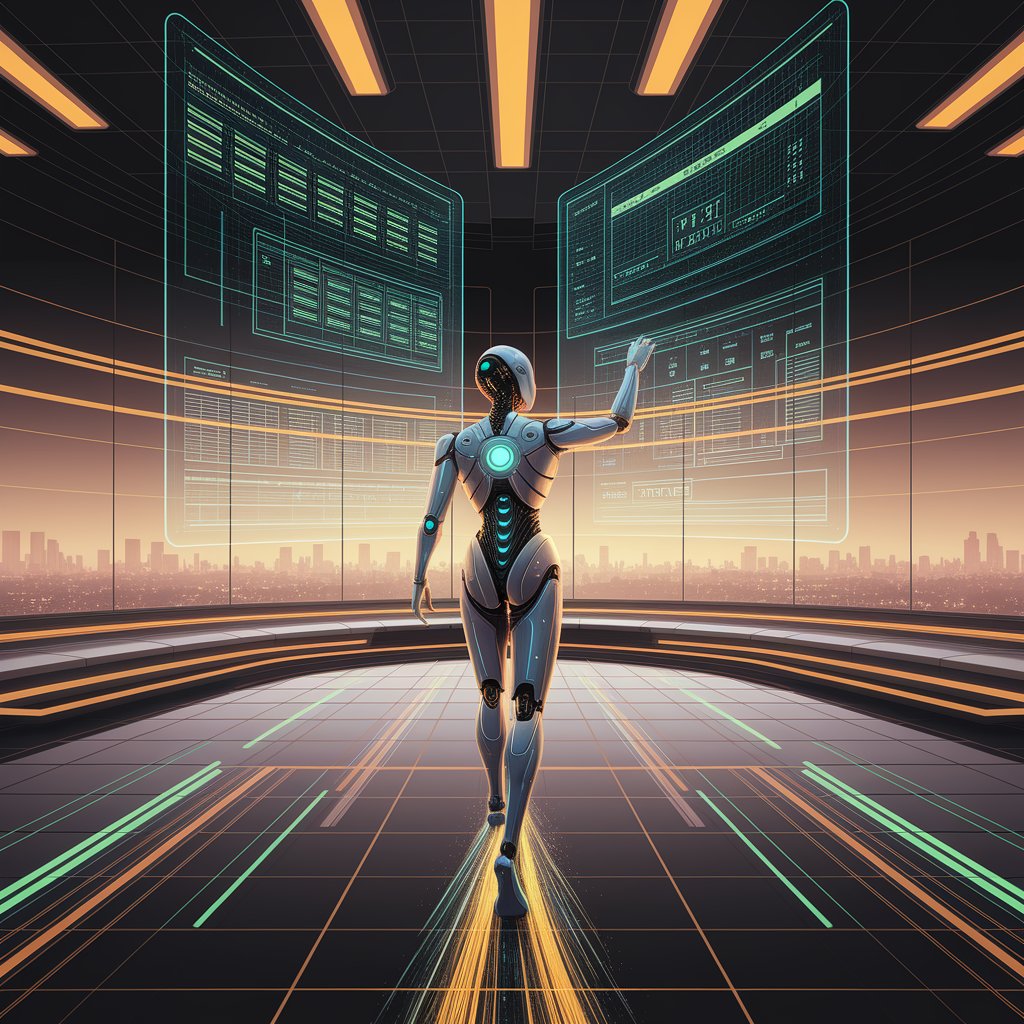
AI agents in logistics are intelligent software entities that can observe, decide, and act autonomously within logistics systems.
They monitor data from multiple sources such as shipments, inventory, routes, and customer activity.
Based on rules, goals, and learning models, AI agents decide what action to take next.
They can operate continuously without manual intervention.
This makes them ideal for complex, fast-moving logistics environments.
What Do AI Agents Actually Do?
AI agents are not passive tools. They actively manage tasks and workflows.
They analyze real-time data from logistics operations.
They identify problems such as delays, capacity shortages, or cost inefficiencies.
They recommend or execute actions, like rerouting shipments or adjusting inventory levels.
They learn over time, improving decisions as conditions change.
In logistics, AI agents act like digital operators working 24/7.
Key Benefits of AI Agents for Logistics
- Faster Decision-Making
AI agents react instantly to changes. - Lower Operational Costs
Reduce manual work and inefficiencies. - Higher Accuracy
Minimize human errors in planning and execution. - Scalability
Handle growth without increasing headcount. - Proactive Operations
Solve problems before they escalate.

Practical Use Cases in Logistics
- Shipment Monitoring: Detect delays and trigger corrective actions
- Route Optimization: Adjust routes dynamically based on conditions
- Inventory Control: Maintain optimal stock levels automatically
- Document Handling: Validate and process logistics documents
- Customer Support: Answer shipment-related questions instantly
How AI Agents Are Created for Logistics
Creating AI agents for logistics starts with clear goals, such as reducing delays or controlling costs.
They are trained using historical logistics data and real-time inputs.
Rules and constraints define what actions agents can take.
Agents integrate with logistics systems like TMS, WMS, and ERP.
Over time, AI agents improve through machine learning and feedback loops.
They evolve from rule-based automation into intelligent decision-makers.
The Future of AI Agents in Logistics
The future of AI agents in logistics will focus on collaboration and autonomy.
Multiple agents will work together across planning, execution, and customer service.
Agents will coordinate shipments, inventory, and compliance automatically.
Human teams will supervise and guide strategy, not micromanage tasks.
Logistics operations will shift from reactive to self-optimizing systems.
Conclusion
AI agents in logistics represent the next evolution of automation. They go beyond dashboards and reports by actively managing operations, making decisions, and learning continuously.
By reducing costs, improving accuracy, and increasing responsiveness, AI agents help logistics companies operate smarter and scale faster. In a complex and competitive industry, AI agents are becoming a foundational capability—not a future concept.