
Autonomous Warehouse Operations: The Future of Smart Logistics and Fulfillment
What Are Autonomous Warehouse Operations?
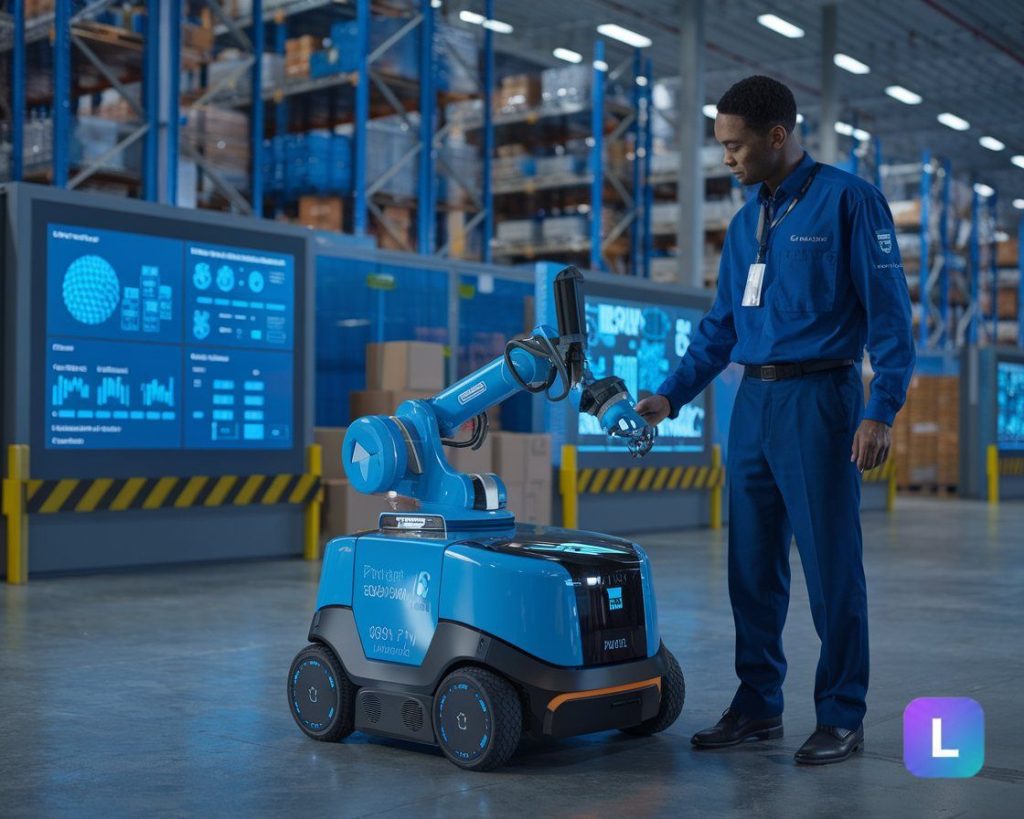
Autonomous warehouse operations refer to warehouse processes managed and optimized through automation technologies with limited manual involvement.
These operations often include:
- 🤖 Autonomous mobile robots (AMRs)
- 📦 Automated picking and packing systems
- 🚚 Intelligent material handling
- 📊 AI-powered warehouse analytics
- 🏭 Smart inventory management
- 🔄 Automated replenishment workflows
The objective is to create highly efficient warehouse environments capable of operating continuously with greater accuracy and speed.
Why Warehouse Automation Is Growing Rapidly
Traditional warehouse operations are becoming increasingly difficult to scale due to operational complexity and labor challenges.
Increasing Ecommerce Demand
Online retail growth has significantly increased fulfillment volumes and delivery expectations.
Labor Shortages
Many warehouses struggle to recruit and retain skilled labor, making automation a strategic necessity.
Need for Faster Fulfillment
Customers expect:
- Same-day shipping
- Faster order processing
- Real-time inventory accuracy
Automation helps businesses meet these expectations more effectively.
Operational Cost Pressure
Warehousing costs continue rising, forcing companies to optimize productivity and reduce inefficiencies.

Key Technologies Behind Autonomous Warehouse Operations
Modern autonomous warehouses rely on multiple advanced technologies working together.
Autonomous Mobile Robots (AMRs)
Robots transport products and materials throughout the warehouse without manual guidance.
Artificial Intelligence
AI helps optimize:
- Picking routes
- Inventory allocation
- Workflow efficiency
- Demand forecasting
Computer Vision Systems
Smart cameras and sensors improve accuracy and automate warehouse monitoring.
Warehouse Automation Software
Centralized software platforms coordinate warehouse workflows, robotics, and inventory management.
Benefits of Autonomous Warehouse Operations
Implementing autonomous warehouse operations provides significant operational advantages.
Increased Productivity
Automation allows warehouses to process orders faster and more consistently.
Improved Accuracy
Autonomous systems reduce picking, packing, and inventory errors.
Lower Operational Costs
Businesses can reduce labor dependency and optimize warehouse resources.
Better Scalability
Automated warehouses can handle growing order volumes more efficiently.
Real-Time Operational Visibility
Advanced analytics provide live insights into warehouse performance and inventory movement.

How Autonomous Warehouses Improve Logistics Performance
Automation transforms warehouse operations by reducing bottlenecks and improving coordination.
Modern warehouse technologies help businesses:
- Accelerate order fulfillment
- Optimize inventory management
- Improve warehouse space utilization
- Reduce operational downtime
- Increase supply chain visibility
Integrated logistics platforms like Linbis help businesses centralize warehouse operations, automate workflows, and improve logistics efficiency through cloud-based supply chain management tools.
Common Use Cases
Autonomous warehouse operations are widely used across multiple logistics sectors.
Ecommerce Fulfillment Centers
Handle large order volumes with greater speed and efficiency.
Third-Party Logistics Providers (3PL)
Manage multi-client warehouse operations more effectively.
Manufacturing Facilities
Automate material movement and inventory replenishment.
Distribution Centers
Improve outbound logistics and shipment coordination.

Challenges of Warehouse Automation
Although warehouse automation provides major advantages, implementation can also present challenges.
Initial Investment Costs
Advanced robotics and automation systems require significant upfront investment.
System Integration Complexity
Warehouses often need to connect automation systems with:
- WMS platforms
- ERP systems
- Transportation systems
Workforce Adaptation
Employees may require training to work alongside automation technologies.
Maintenance and Technical Support
Automated systems require ongoing monitoring and maintenance to ensure operational reliability.
How to Choose the Right Warehouse Automation Solution
Businesses should evaluate automation platforms carefully before implementation.
Scalability
The solution should support future growth and increasing fulfillment demand.
Integration Capabilities
Choose software that integrates with existing logistics and warehouse systems.
Real-Time Visibility Features
Operational dashboards and analytics are essential for warehouse optimization.
Flexibility
The platform should support multiple warehouse workflows and operational models.
The Future of Autonomous Warehousing
Warehouse automation continues evolving rapidly with innovations such as:
- Artificial intelligence
- Robotics orchestration
- Predictive warehouse analytics
- Digital warehouse twins
- Autonomous inventory systems
Companies investing in autonomous operations today are positioning themselves for greater efficiency, resilience, and long-term supply chain competitiveness.
Conclusion
Autonomous warehouse operations are reshaping modern logistics by improving speed, accuracy, and operational efficiency. As supply chains continue growing more complex, automation is becoming essential for businesses that want to scale fulfillment operations and remain competitive.
By combining robotics, AI, and centralized logistics software, companies can build smarter warehouses capable of adapting to the future of supply chain management.
Modern logistics platforms like Linbis help businesses centralize warehouse operations, improve visibility, and automate logistics workflows through scalable cloud-based solutions.