
Real Time Logistics Orchestration Platform: Coordinating Supply Chains with Precision
By adopting a real time logistics orchestration platform, organizations can synchronize workflows, respond to disruptions, and improve operational efficiency at every stage.

What Is a Real Time Logistics Orchestration Platform?
A real time logistics orchestration platform is a digital solution that connects and coordinates all logistics processes, systems, and stakeholders in real time.
It typically manages:
🔗 Integration of logistics systems (TMS, WMS, ERP)
📦 End-to-end shipment coordination
🚚 Transportation and inventory synchronization
⚠ Real-time alerts and automated actions
📊 Centralized control and decision-making
Unlike traditional tools, orchestration platforms actively manage operations—not just monitor them.
Why Logistics Orchestration Matters
Modern supply chains require constant coordination across multiple moving parts. Without orchestration, inefficiencies and delays are inevitable.
1. From Visibility to Action
Visibility shows what’s happening. Orchestration enables companies to:
- Take immediate action
- Automate responses
- Adjust operations dynamically
2. Increasing Operational Complexity
Multiple systems, partners, and transport modes require seamless coordination.
3. Faster Response to Disruptions
Real-time orchestration helps businesses:
- Detect issues early
- Trigger automated workflows
- Minimize impact
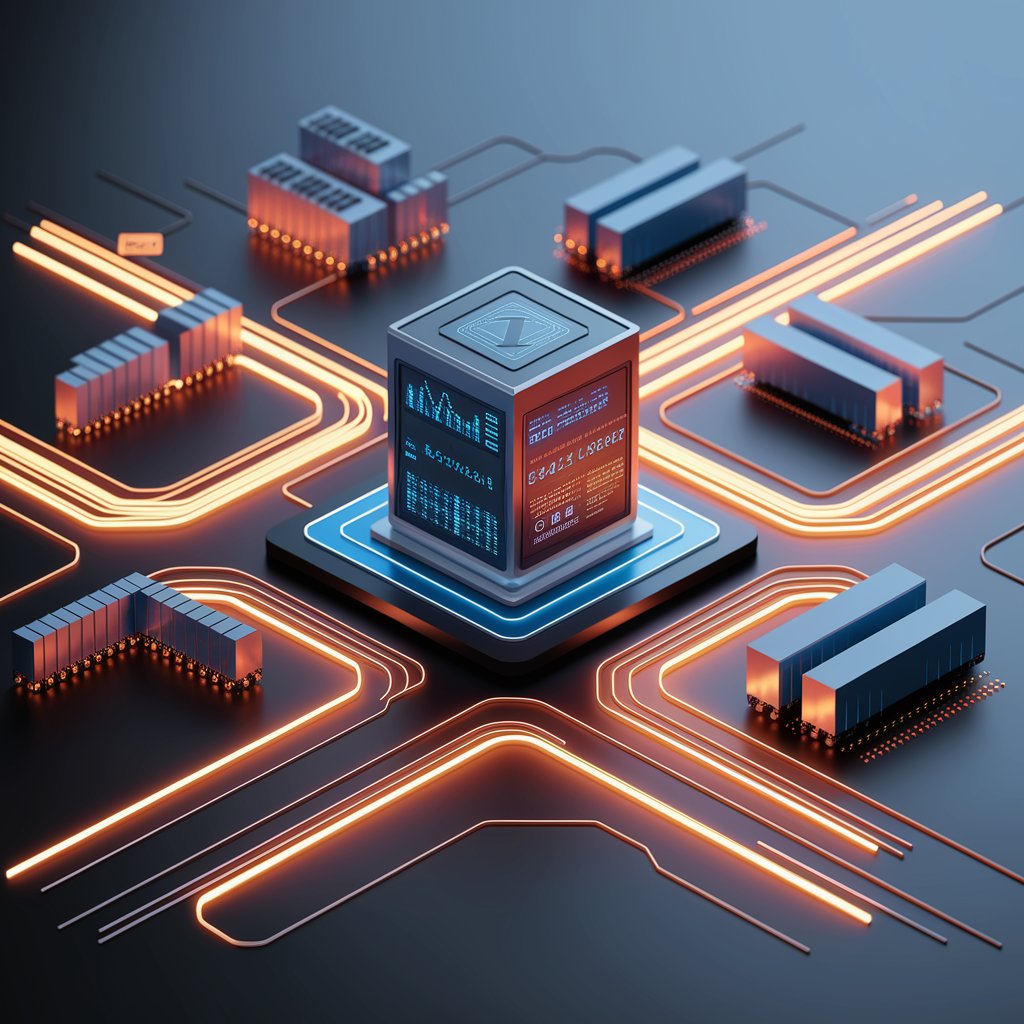
Key Capabilities of Orchestration Platforms
Modern real time logistics platforms offer advanced capabilities that go beyond tracking.
Workflow Automation
Automate processes such as:
- Shipment routing
- Order fulfillment
- Exception handling
Real-Time Data Integration
Connect data from:
- Carriers
- Warehouses
- Enterprise systems
Ensuring consistent and up-to-date information.
Event-Driven Actions
Trigger automatic responses when:
- Delays occur
- Inventory levels change
- Exceptions are detected
Centralized Control Tower
Manage all logistics activities from a single interface.
Benefits of Real Time Logistics Orchestration Platforms
Adopting a real time logistics orchestration delivers strong operational advantages.
Improved Efficiency
Automated workflows reduce manual intervention and delays.
Faster Decision-Making
Real-time coordination enables immediate action.
Reduced Disruptions
Proactive management minimizes risks and delays.
Better Collaboration
All stakeholders operate from a unified system.
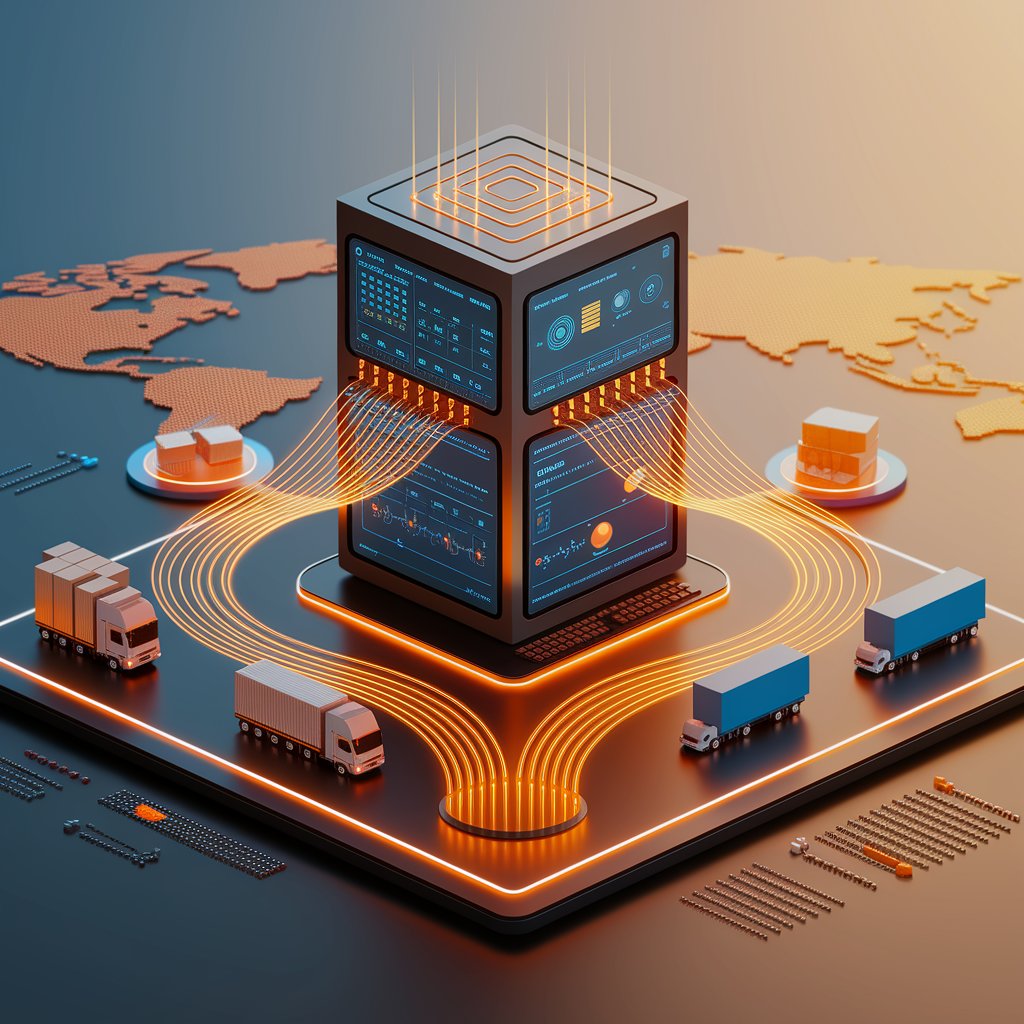
Use Cases of Logistics Orchestration
These platforms are widely used across industries.
Freight and Logistics Providers
Coordinate shipments, carriers, and operations globally.
Ecommerce and Retail
Synchronize orders, inventory, and deliveries.
Manufacturing
Align production, inventory, and distribution in real time.
How to Implement a Logistics Orchestration Platform
To implement a real time logistics orchestration platform, follow these steps:
1️⃣ Assess current systems and workflows
2️⃣ Identify coordination gaps and inefficiencies
3️⃣ Select a platform with strong integration capabilities
4️⃣ Connect all logistics systems and partners
5️⃣ Monitor performance and continuously optimize
Conclusion
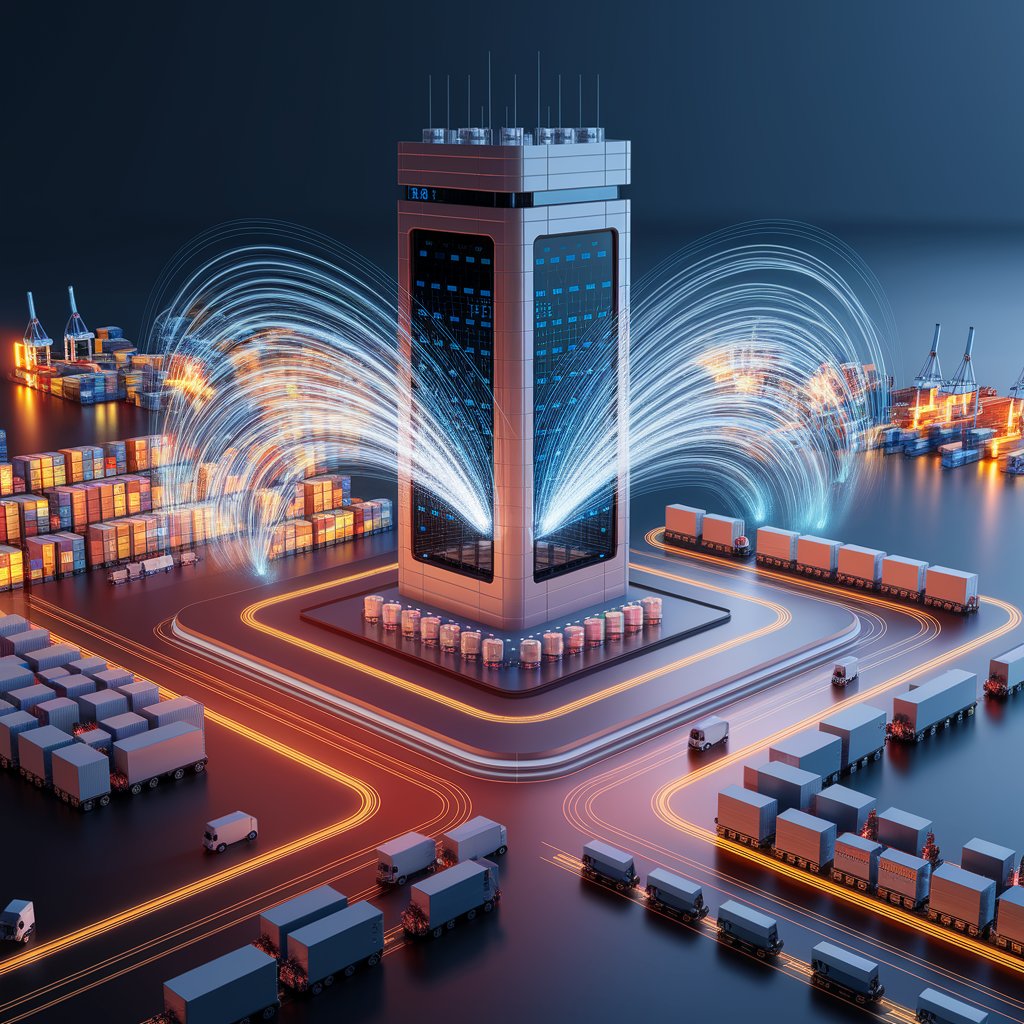
A real time logistics orchestration platform is a game-changer for companies seeking full control over their supply chain operations. By coordinating processes in real time and automating decisions, businesses can improve efficiency, reduce risks, and respond faster to changing conditions.
Investing in orchestration technology is a key step toward building a more agile, connected, and intelligent supply chain.