
Autonomous Delivery Logistics Solutions: The Future of Smart Transportation
As demand for speed and efficiency grows, autonomous delivery is becoming a key innovation in modern logistics.
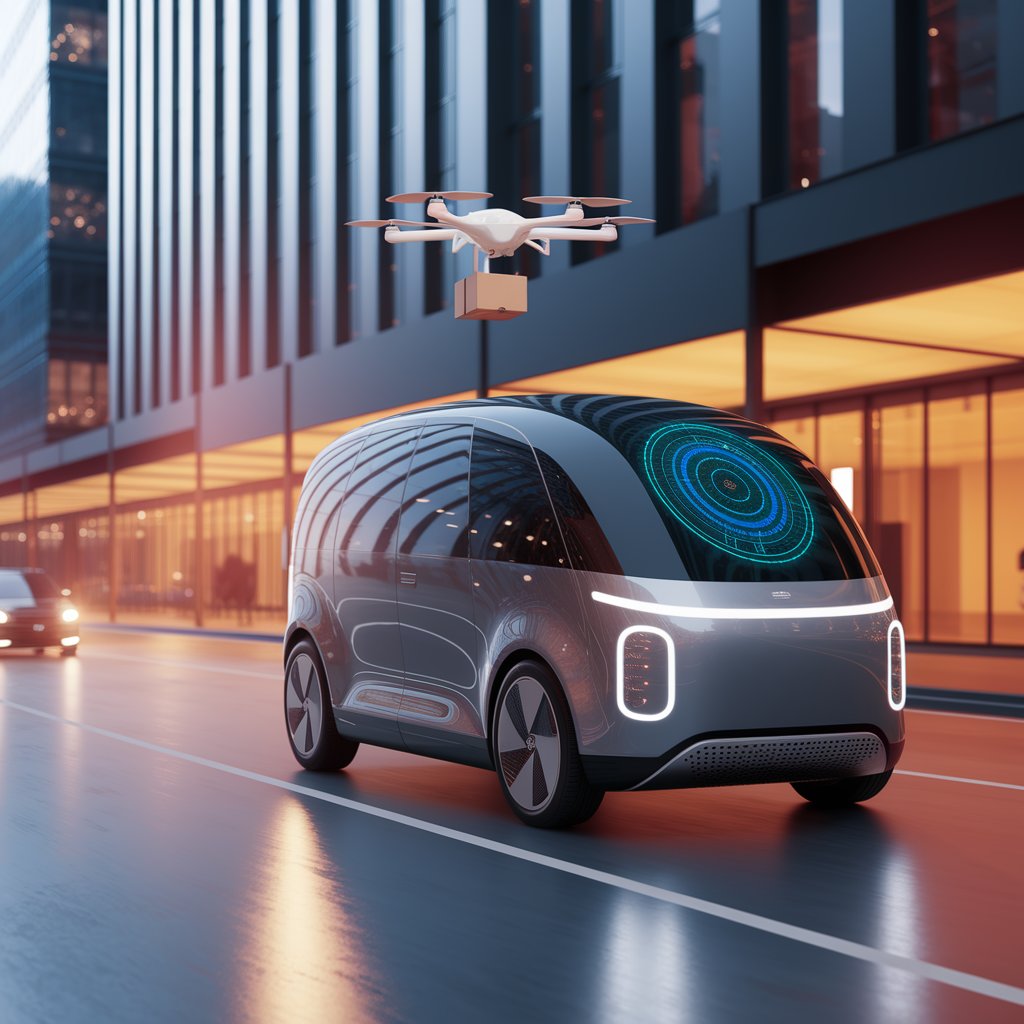
What Are Autonomous Delivery Logistics Solutions?
Autonomous delivery logistics solutions refer to technologies that enable goods to be transported with minimal or no human intervention.
These solutions include:
🤖 Delivery robots
🚚 Self-driving trucks
🚁 Autonomous drones
📦 Smart parcel lockers
🧠 AI-powered navigation systems
The goal is to automate the delivery process while improving efficiency and reducing costs.
Why Autonomous Delivery Matters
Traditional delivery systems face challenges such as labor shortages, rising costs, and inefficiencies. Autonomous solutions address these issues.
1. Labor Shortage Solutions
Automation helps reduce dependency on human drivers and delivery staff.
2. Faster Delivery Times
Autonomous systems can operate:
- 24/7 without breaks
- With optimized routes
- With minimal delays
3. Cost Reduction
Companies can reduce:
- Labor costs
- Fuel consumption (with electric vehicles)
- Operational inefficiencies
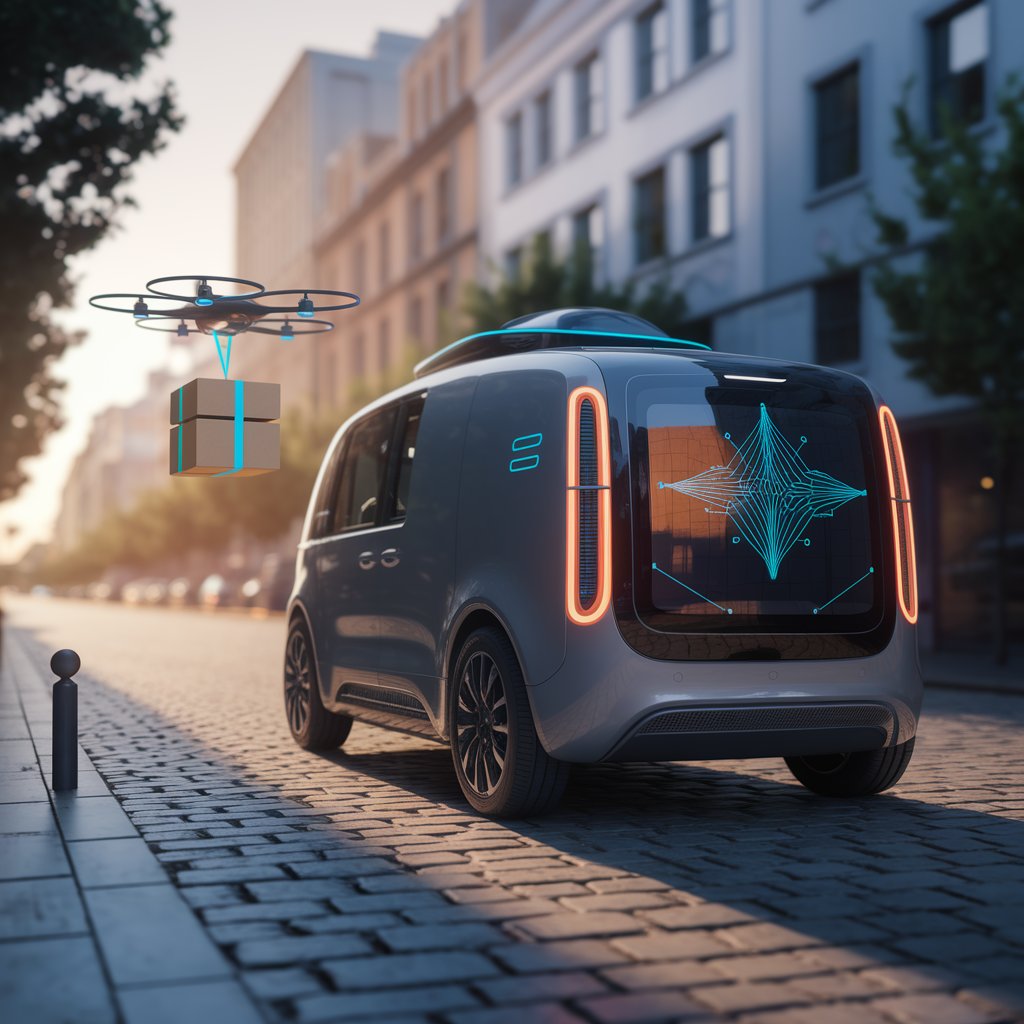
Key Technologies Behind Autonomous Delivery
Several advanced technologies power autonomous delivery logistics solutions.
Artificial Intelligence
AI enables systems to:
- Navigate routes
- Avoid obstacles
- Make real-time decisions
Sensors and Computer Vision
Used for:
- Object detection
- Road condition monitoring
- Safe navigation
GPS and Real-Time Data
Provide accurate positioning and route optimization.
IoT Connectivity
Allows devices to communicate and share data across the logistics network.
Benefits of Autonomous Delivery Logistics Solutions
Adopting autonomous delivery logistics solutions offers strong advantages.
Increased Efficiency
Automation streamlines delivery operations.
Improved Safety
AI reduces human error in driving and navigation.
Scalability
Easily scale operations without increasing workforce.
Enhanced Customer Experience
Faster and more reliable deliveries.
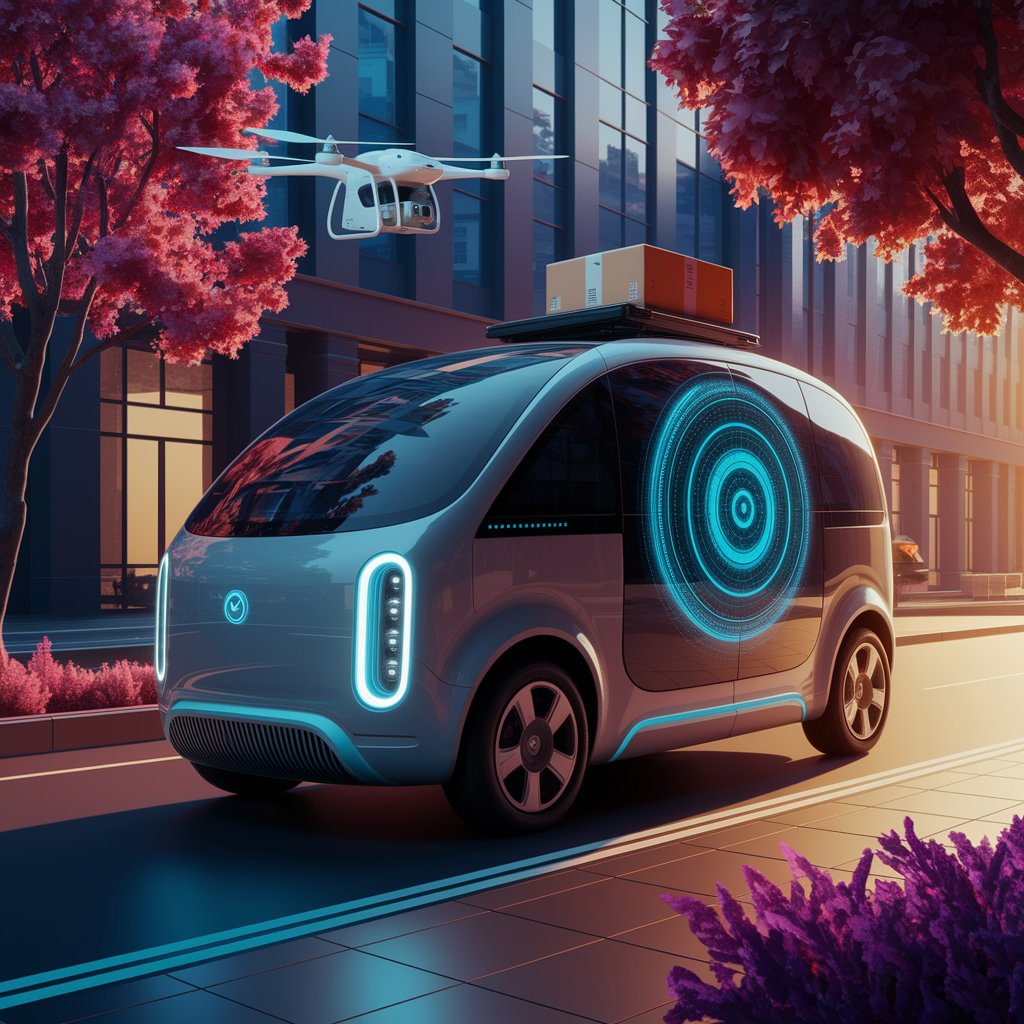
Use Cases of Autonomous Delivery
These solutions are already being implemented across industries.
Ecommerce and Last-Mile Delivery
Use robots and drones for faster urban deliveries.
Retail and Grocery Delivery
Autonomous vehicles deliver goods directly to customers.
Industrial and Warehouse Logistics
Use robots to move goods within facilities.
Challenges of Autonomous Delivery
Despite its benefits, autonomous logistics still faces challenges.
Regulatory Barriers
Laws and regulations vary across regions.
Technology Limitations
Systems must handle complex environments and edge cases.
High Initial Investment
Implementation costs can be significant.

How to Implement Autonomous Delivery Solutions
To adopt autonomous delivery logistics solutions, follow these steps:
1️⃣ Evaluate delivery processes and use cases
2️⃣ Identify areas suitable for automation
3️⃣ Select appropriate technology (robots, drones, vehicles)
4️⃣ Integrate with existing logistics systems
5️⃣ Test, monitor, and scale operations
Conclusion
Autonomous delivery logistics solutions are shaping the future of transportation and supply chain operations. By leveraging AI, robotics, and automation, companies can improve efficiency, reduce costs, and deliver faster, more reliable services.
As technology continues to evolve, autonomous delivery will become a core component of modern logistics strategies.