
Cross Docking Optimization Software: Streamlining Fast-Paced Logistics Operations
By implementing cross docking optimization software, businesses can coordinate inbound and outbound shipments more effectively, reducing delays and operational costs.
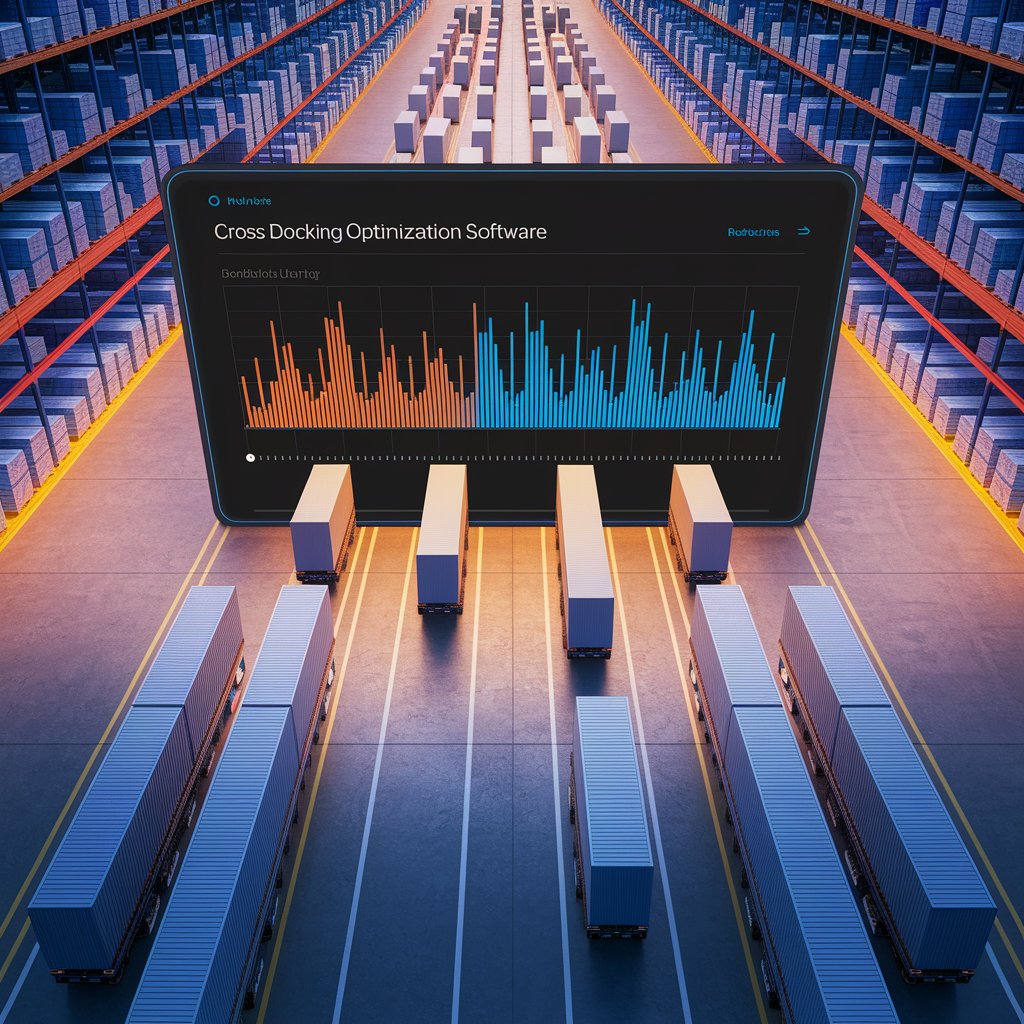
What Is Cross Docking Optimization Software?
Cross docking optimization software is a digital tool designed to manage and optimize the cross docking process, where goods are transferred directly from inbound to outbound transportation with minimal or no storage.
It helps coordinate:
🚚 Inbound and outbound shipment scheduling
📦 Real-time goods movement
📊 Dock door assignment
⏱ Transfer timing and synchronization
🔗 Communication between warehouse and transport
The goal is to ensure a smooth, fast flow of goods through the warehouse.
Why Cross Docking Optimization Matters
Traditional warehousing involves storage and handling, which adds time and cost. Cross docking eliminates these inefficiencies.
1. Reduced Storage Costs
Goods spend little to no time in storage, reducing:
- Warehousing expenses
- Inventory holding costs
- Space requirements
2. Faster Throughput
Shipments move quickly through facilities, enabling:
- Faster order fulfillment
- Reduced lead times
- Improved delivery performance
3. Improved Operational Efficiency
Coordinated processes reduce handling and streamline workflows.

Key Features of Cross Docking Software
Modern cross docking optimization software includes advanced capabilities.
Dock Scheduling and Assignment
Efficiently manage dock doors for incoming and outgoing shipments.
Real-Time Coordination
Synchronize inbound and outbound flows to minimize waiting time.
Load Matching
Match incoming shipments with outbound orders for seamless transfer.
Visibility and Tracking
Monitor goods movement across the cross docking process in real time.
Benefits of Cross Docking Optimization Software
Adopting cross docking optimization software provides strong operational advantages.
Reduced Handling Costs
Less handling leads to lower labor and operational expenses.
Faster Delivery Times
Accelerated processes improve delivery speed.
Improved Inventory Flow
Minimized storage improves inventory turnover.
Better Resource Utilization
Optimize use of docks, labor, and transportation assets.

Use Cases of Cross Docking Optimization Software
These solutions are widely used across industries.
Retail Distribution
Move goods quickly from suppliers to stores.
Ecommerce Fulfillment
Accelerate high-volume order processing.
3PL Operations
Manage multiple clients and high-throughput logistics environments.
How to Implement Cross Docking Software
To implement cross docking software, follow these steps:
1️⃣ Analyze current warehouse and flow processes
2️⃣ Identify opportunities for cross docking
3️⃣ Select a suitable optimization solution
4️⃣ Integrate with WMS and transportation systems
5️⃣ Train teams and monitor performance

Conclusion
Cross docking software is a powerful tool for companies looking to streamline logistics operations and reduce costs. By minimizing storage and improving coordination, businesses can accelerate throughput, enhance efficiency, and improve delivery performance.
Investing in cross docking optimization is key to building a faster and more agile supply chain.