
Dynamic Route Planning System: Smarter Routing for Efficient Logistics
By implementing a dynamic route planning system, businesses can continuously adjust routes, reduce costs, and improve delivery performance.

What Is a Dynamic Route Planning System?
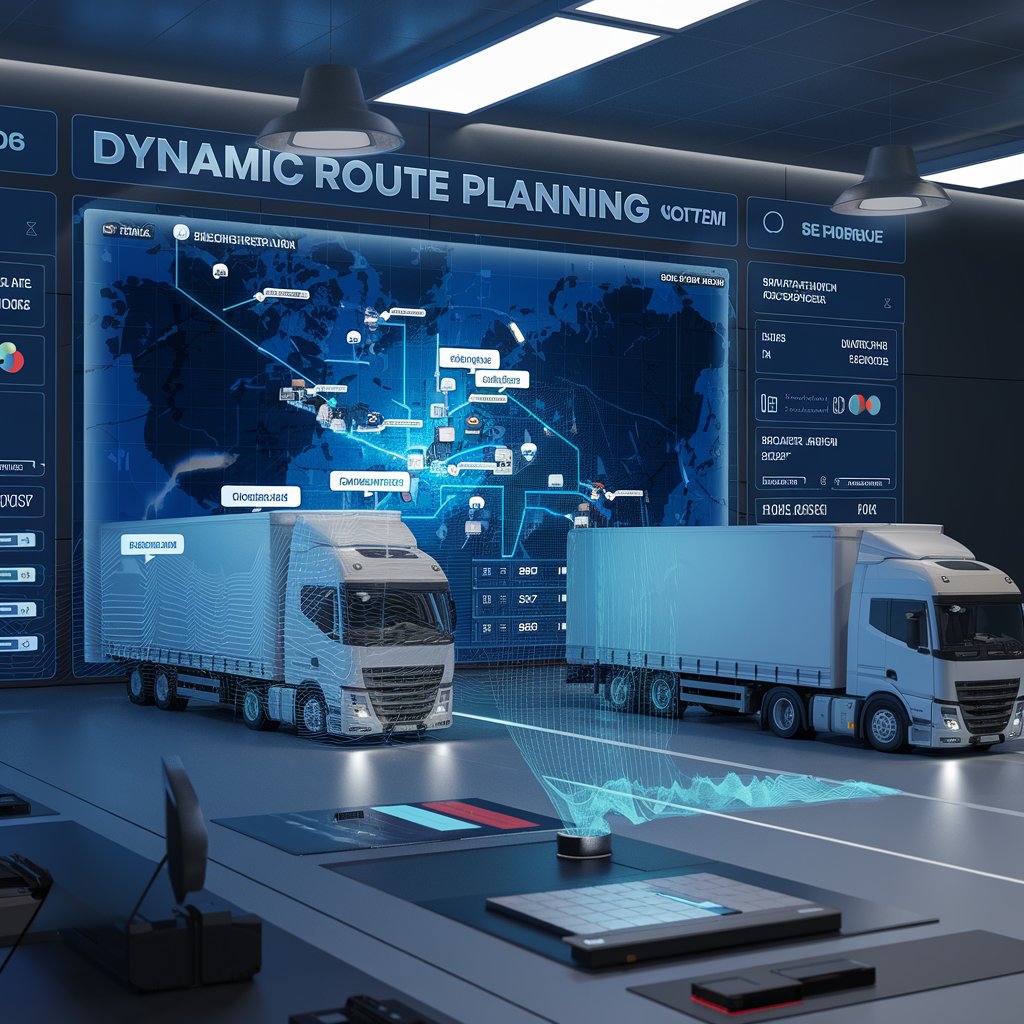
A route planning system is a technology solution that automatically calculates and updates delivery routes based on real-time data and changing conditions.
It considers factors such as:
🚚 Traffic conditions
⏱ Delivery time windows
📦 Order priorities
📍 Vehicle locations
⚠ Road disruptions
The goal is to create the most efficient routes while adapting to real-world conditions.
Why Dynamic Route Planning Matters
Traditional route planning methods rely on fixed schedules, which can lead to inefficiencies. A dynamic approach solves this problem.
1. Real-Time Adaptability
Routes can be adjusted instantly based on:
- Traffic congestion
- Weather conditions
- Last-minute order changes
2. Cost Efficiency
Optimized routing helps:
- Reduce fuel consumption
- Minimize travel distance
- Lower operational costs
3. Improved Delivery Performance
A dynamic route system ensures:
- On-time deliveries
- Better resource utilization
- Higher customer satisfaction

Key Features of Dynamic Route Planning Systems
Modern routing systems offer advanced capabilities to optimize logistics operations.
Real-Time Data Integration
Incorporate live data such as traffic, GPS, and delivery updates.
Automated Route Optimization
Automatically calculate the best routes based on multiple constraints.
Multi-Stop Planning
Efficiently plan routes with multiple delivery points.
Driver Communication Tools
Provide drivers with:
- Updated routes
- Navigation support
- Delivery instructions
Benefits of Using a Route Planning System
Adopting a dynamic route system delivers clear operational advantages.
Reduced Fuel Costs
Optimized routes lower fuel usage and expenses.
Increased Efficiency
Faster and more efficient deliveries.
Greater Flexibility
Adapt quickly to unexpected changes.
Better Customer Experience
Accurate delivery times and fewer delays.
Use Cases of Dynamic Route Planning Systems
These systems are widely used across logistics sectors.
Last-Mile Delivery
Optimize routes for urban deliveries with high density.
Freight Transportation
Improve long-haul and regional route planning.
Field Service Operations
Manage technician routes and schedules efficiently.
How to Implement a Dynamic Route Planning System
To implement a dynamic route system, follow these steps:
1️⃣ Analyze current routing processes
2️⃣ Identify inefficiencies and cost drivers
3️⃣ Select a suitable routing solution
4️⃣ Integrate with GPS and logistics systems
5️⃣ Monitor performance and continuously optimize

Conclusion
A dynamic route planning system is a powerful tool for improving transportation efficiency in modern logistics. By adapting routes in real time, businesses can reduce costs, improve delivery performance, and respond quickly to changing conditions.
Investing in dynamic routing technology is key to building a more agile and efficient logistics operation.