
Shipment Exception Management System: Handling Disruptions with Precision
By implementing a shipment exception management system, businesses can proactively identify problems, respond quickly, and maintain control over their logistics processes.
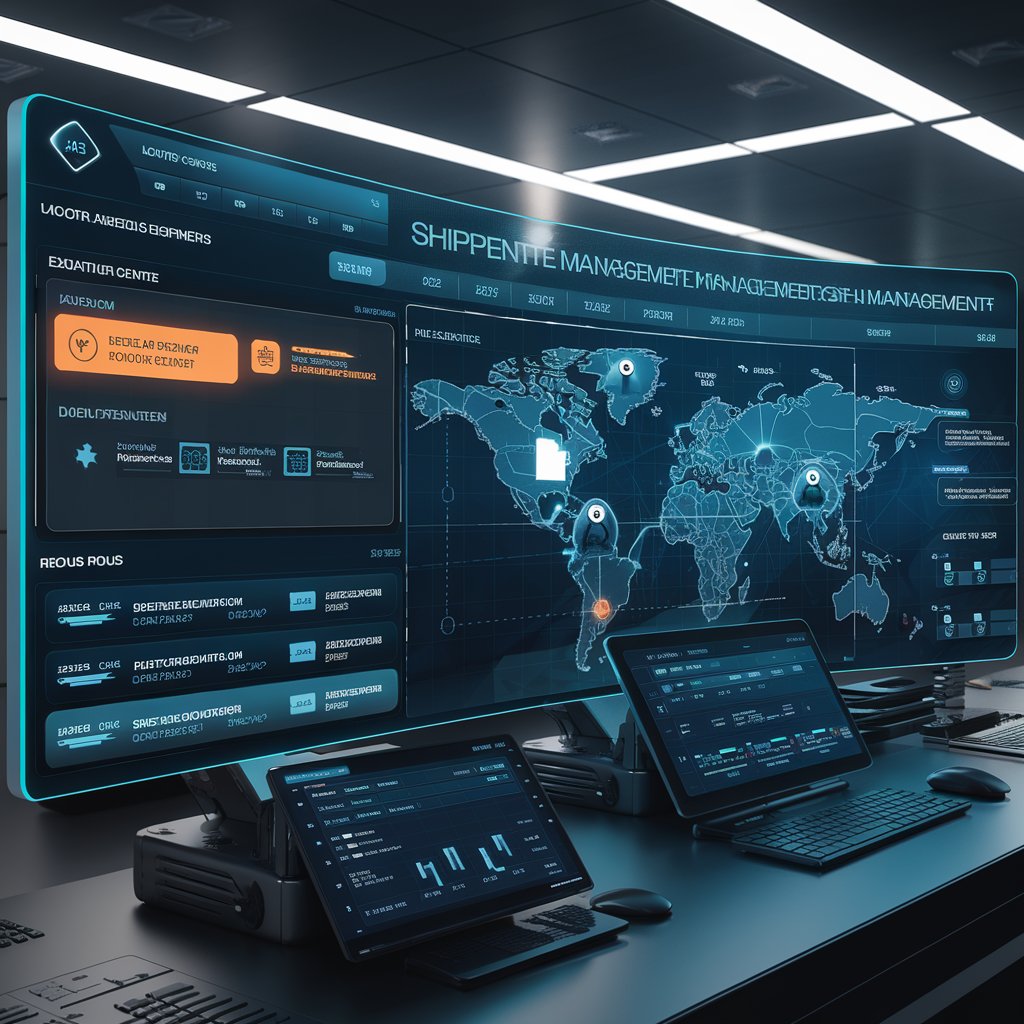
What Is a Shipment Exception Management System?
A shipment exception management system is a digital solution designed to monitor shipments and automatically detect deviations from planned logistics operations.
It helps manage events such as:
⚠ Delivery delays
🚚 Route deviations
📦 Damaged or lost shipments
⏱ Missed delivery windows
🔔 Unexpected disruptions
The goal is to quickly identify exceptions and trigger corrective actions.
Why Shipment Exception Management Matters
In logistics, even small disruptions can have a significant impact. Managing exceptions effectively is critical for maintaining efficiency and reliability.
1. Increasing Supply Chain Complexity
With multiple carriers, routes, and partners, the risk of disruptions increases.
2. Customer Expectations
Customers expect timely and accurate deliveries, even when issues arise.
3. Operational Efficiency
Unmanaged exceptions can lead to delays, higher costs, and poor performance.

Key Features of Exception Management Systems
Modern shipment exception provide advanced capabilities to handle disruptions efficiently.
Real-Time Monitoring
Track shipments continuously and detect anomalies instantly.
Automated Alerts
Receive notifications when:
- Deliveries are delayed
- Routes change unexpectedly
- Shipments deviate from plan
Workflow Automation
Trigger predefined actions such as:
- Reassigning routes
- Notifying customers
- Escalating issues
Root Cause Analysis
Analyze why exceptions occur to prevent future issues.
Benefits of Using a Shipment Exception Management System
Adopting a shipment exception offers clear operational benefits.
Faster Issue Resolution
Identify and resolve problems before they escalate.
Reduced Disruptions
Minimize the impact of unexpected events.
Improved Customer Experience
Provide accurate updates and maintain trust.
Better Operational Control
Gain visibility into exceptions across the supply chain.

Use Cases of Shipment Exception Management Systems
These systems are widely used across logistics operations.
Freight Forwarders
Manage delays and disruptions in international shipments.
Ecommerce
Handle delivery exceptions and improve last-mile performance.
Manufacturing
Ensure timely delivery of materials and finished goods.
How to Implement a Shipment Exception Management System
To implement a shipment management system, follow these steps:
1️⃣ Identify common exceptions in your operations
2️⃣ Choose a system with real-time monitoring capabilities
3️⃣ Integrate with existing logistics platforms
4️⃣ Define automated workflows for issue handling
5️⃣ Monitor performance and continuously improve

Conclusion
A shipment exception management system is a critical tool for maintaining control in modern logistics operations. By detecting and resolving disruptions quickly, businesses can reduce risks, improve efficiency, and deliver better customer experiences.
Investing in exception management technology ensures a more resilient and responsive supply chain.