
Last Mile Delivery Optimization: Improving Speed and Efficiency in Final Delivery
By focusing on last mile delivery optimization, companies can reduce costs, improve delivery speed, and enhance customer satisfaction in an increasingly competitive market.
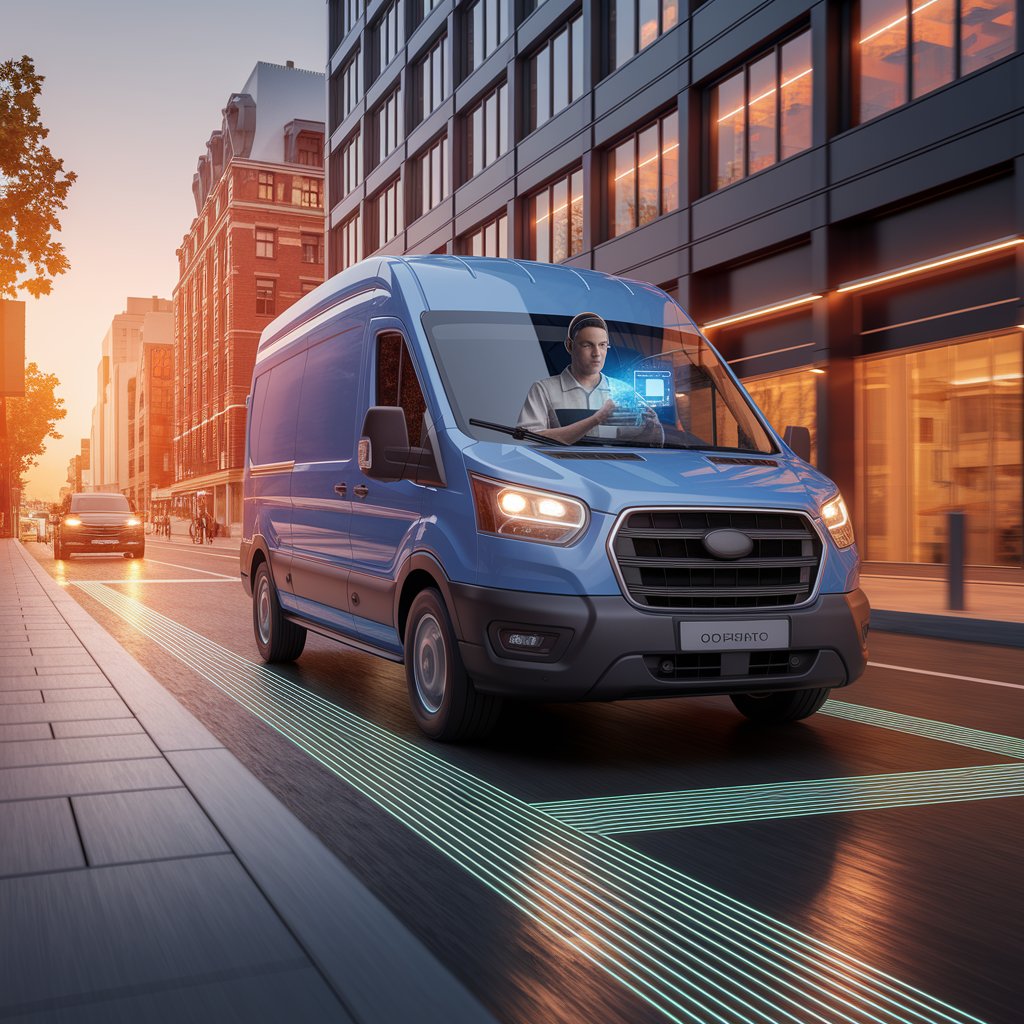
What Is Last Mile Delivery Optimization?
Last mile delivery optimization refers to the strategies and technologies used to improve the efficiency of the final delivery stage in the supply chain.
This includes:
🚚 Route planning and optimization
📦 Efficient order fulfillment
📍 Real-time tracking of deliveries
⏱ Accurate delivery time windows
📊 Performance monitoring
The goal is to ensure fast, reliable, and cost-effective deliveries to the end customer.
Why Last Mile Delivery Matters
The last mile is often the most expensive part of the logistics process, sometimes accounting for over 50% of total delivery costs. Optimizing this stage is essential.
1. Rising Customer Expectations
Customers expect:
- Same-day or next-day delivery
- Real-time tracking
- Accurate delivery windows
2. High Operational Costs
Challenges include:
- Fuel expenses
- Labor costs
- Inefficient routes
3. Urban Delivery Complexity
Traffic, delivery density, and access restrictions make last-mile logistics more difficult.

Key Strategies for Last Mile Delivery Optimization
To improve efficiency, companies should focus on several proven strategies.
Route Optimization
Using advanced algorithms to:
- Reduce travel distance
- Avoid traffic
- Improve delivery efficiency
Delivery Slot Management
Allowing customers to select delivery windows helps:
- Improve planning
- Reduce failed deliveries
Micro-Fulfillment Centers
Positioning inventory closer to customers shortens delivery times.
Dynamic Dispatching
Adjusting delivery routes in real time based on changing conditions.
Technologies Driving Last Mile Optimization
Modern solutions play a key role in improving last-mile performance.
AI and Machine Learning
Help predict demand, optimize routes, and improve delivery accuracy.
Real-Time Tracking Systems
Provide visibility into delivery status and driver location.
Mobile Apps for Drivers
Enable:
- Route navigation
- Delivery updates
- Communication with dispatch
Automation Tools
Automate scheduling, notifications, and reporting.

Benefits of Last Mile Delivery Optimization
Implementing last mile delivery optimization delivers measurable results.
Reduced Delivery Costs
Optimized routes and planning lower operational expenses.
Faster Deliveries
Improved efficiency leads to shorter delivery times.
Better Customer Experience
Accurate and reliable deliveries increase satisfaction.
Higher Delivery Success Rates
Fewer missed or delayed deliveries.
Use Cases of Last Mile Delivery Optimization
This approach is widely used across industries.
Ecommerce
Ensures fast and reliable order fulfillment.
Retail
Improves store-to-customer delivery operations.
Food and Grocery Delivery
Optimizes time-sensitive deliveries.

How to Implement Last Mile Delivery Optimization
To implement last mile delivery optimization, follow these steps:
1️⃣ Analyze current delivery performance
2️⃣ Identify inefficiencies and cost drivers
3️⃣ Implement route optimization tools
4️⃣ Use real-time tracking and communication systems
5️⃣ Continuously monitor and improve performance
Conclusion
Last mile delivery optimization is essential for businesses aiming to reduce costs and meet growing customer expectations. By leveraging technology and optimizing delivery strategies, companies can significantly improve efficiency and service quality.
Investing in last-mile optimization is key to staying competitive in today’s logistics landscape.