
Logistics Performance Optimization: Improving Efficiency Across the Supply Chain
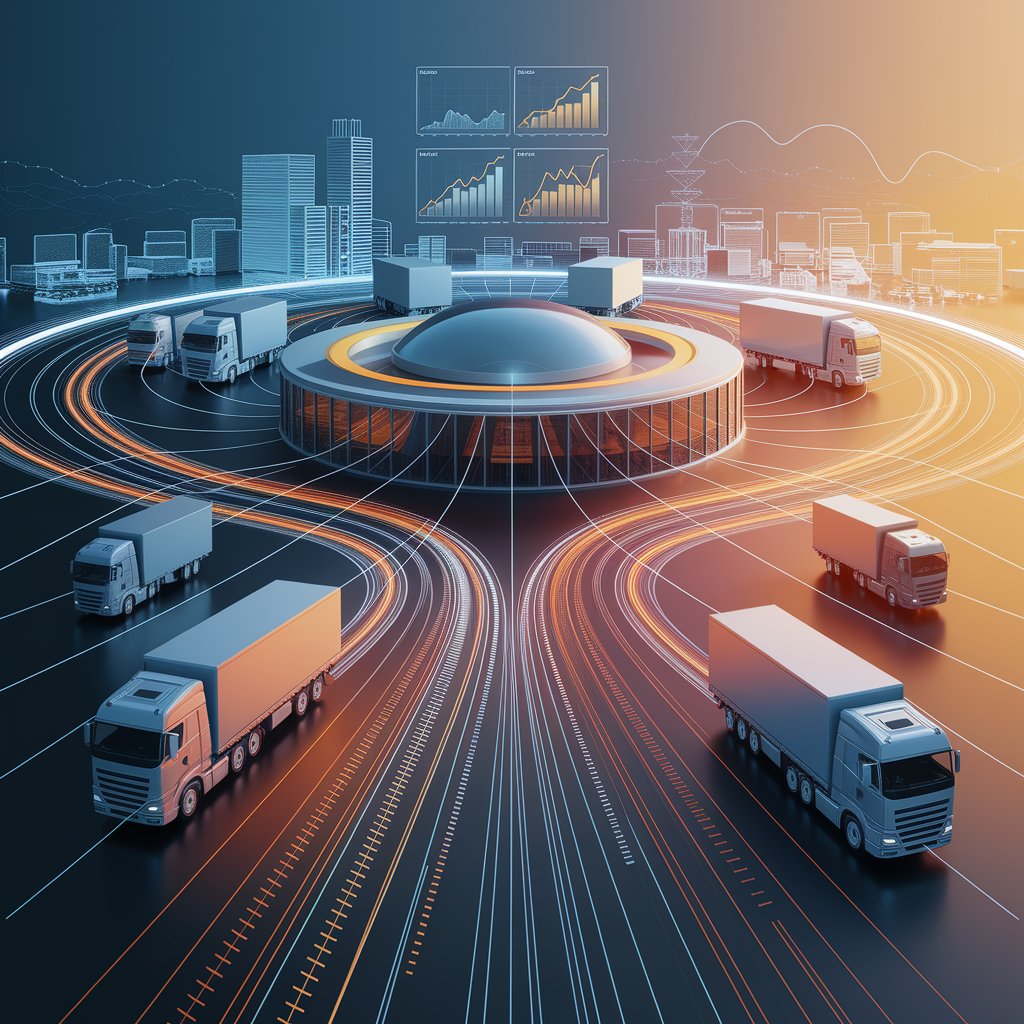
What Is Logistics Performance Optimization?
Logistics performance optimization refers to the process of analyzing and improving logistics operations to achieve maximum efficiency and effectiveness.
This includes:
📦 Inventory flow optimization
🚚 Transportation efficiency
📊 Performance tracking and KPIs
⏱ Delivery time improvements
💰 Cost control strategies
The objective is to ensure that every part of the logistics process operates at its highest potential.
Why Logistics Performance Matters
Inefficient logistics operations can lead to delays, increased costs, and poor customer satisfaction. Optimizing performance helps eliminate these issues.
1. Improved Operational Efficiency
Companies can:
- Streamline workflows
- Reduce bottlenecks
- Increase productivity
2. Cost Reduction
Optimized logistics operations help:
- Lower transportation costs
- Reduce waste
- Improve resource allocation
3. Better Customer Experience
Faster deliveries and accurate operations result in higher customer satisfaction.

Key Areas to Optimize in Logistics
To achieve strong results, businesses should focus on several critical areas.
Transportation Efficiency
Improving route planning and load management reduces delivery times and fuel consumption.
Inventory Management
Maintaining optimal stock levels prevents overstocking and stockouts.
Warehouse Operations
Streamlining picking, packing, and storage processes improves speed and accuracy.
Data and Analytics
Using performance data helps identify trends and areas for improvement.
Technologies Supporting Optimization
Modern logistics relies heavily on technology to improve performance.
Advanced Analytics
Helps identify inefficiencies and track key performance indicators.
Automation Tools
Reduce manual tasks and increase operational speed.
Integrated Logistics Systems
Enable better coordination between different supply chain functions.

Benefits of Logistics Performance Optimization
Focusing on logistics performance optimization provides clear advantages.
Higher Productivity
Processes become faster and more efficient.
Reduced Operational Costs
Better planning leads to cost savings.
Increased Visibility
Companies gain better control over operations.
Competitive Advantage
Optimized logistics operations improve market positioning.
Use Cases of Logistics Optimization
This approach is widely applied across industries.
Ecommerce
Improves order fulfillment speed and accuracy.
Freight Forwarding
Enhances shipment coordination and efficiency.
Manufacturing
Optimizes production and distribution processes.

How to Implement Logistics Optimization
To implement logistics optimization, follow these steps:
1️⃣ Analyze current performance metrics
2️⃣ Identify inefficiencies and bottlenecks
3️⃣ Implement technology solutions
4️⃣ Optimize workflows and processes
5️⃣ Continuously monitor and improve
Conclusion
Logistics performance optimization is a critical strategy for companies looking to improve efficiency, reduce costs, and deliver better service. By continuously analyzing and refining operations, businesses can build a more agile and competitive supply chain.
Investing in performance optimization ensures long-term success in an increasingly demanding logistics landscape.