
Freight Cost Optimization Strategies: Reduce Expenses and Maximize Efficiency
Implementing effective freight cost optimization strategies allows companies to reduce unnecessary spending, improve efficiency, and increase profitability across their supply chain.

What Are Freight Cost Optimization Strategies?
Freight cost optimization strategies refer to the methods and practices used to analyze, manage, and reduce transportation and logistics costs.
These strategies focus on:
💰 Reducing transportation expenses
📦 Improving load efficiency
🚚 Optimizing routes and delivery times
📊 Analyzing cost data
🔗 Improving carrier selection
The goal is to achieve the best balance between cost, speed, and service quality.
Why Are Freight Strategies Important?
Without proper cost control, logistics expenses can quickly impact profit margins. Freight strategies help businesses stay financially efficient.
1. Rising Transportation Costs
Fuel prices, labor, and demand fluctuations make freight costs unpredictable. Optimization helps mitigate these factors.
2. Increased Competition
Companies must offer competitive pricing while maintaining profitability.
3. Need for Operational Efficiency
Reducing inefficiencies directly impacts cost savings and performance.

Key Freight Cost Optimization Strategies
To effectively implement freight strategies, businesses should focus on several key areas.
Route Optimization
Optimizing delivery routes helps:
- Reduce fuel consumption
- Shorten transit times
- Minimize delays
Load Consolidation
Combining shipments allows companies to:
- Maximize truck capacity
- Reduce the number of trips
- Lower transportation costs
Carrier Management
Selecting the right carriers can:
- Improve service quality
- Reduce rates through negotiation
- Ensure reliability
Mode Optimization
Choosing the right transportation mode (air, sea, or land) based on urgency and cost can significantly impact expenses.
Role of Technology in Freight Cost Optimization
Technology plays a crucial role in implementing freight strategies.
Transportation Management Systems (TMS)
TMS platforms help:
- Plan and optimize routes
- Compare carrier rates
- Track shipments
Data Analytics
Analyzing logistics data allows businesses to:
- Identify cost patterns
- Detect inefficiencies
- Make data-driven decisions
Automation Tools
Automation reduces manual work and improves accuracy in cost calculations and operations.

Benefits of Freight Strategies
Adopting freight cost optimization strategies provides measurable benefits.
Reduced Operational Costs
Lower transportation and handling expenses.
Improved Efficiency
Faster and more streamlined logistics operations.
Better Profit Margins
Cost savings directly increase profitability.
Enhanced Decision-Making
Access to real-time data improves strategic planning.
Use Cases of Freight Strategies
These strategies are widely applied across industries.
Ecommerce
Reducing last-mile delivery costs and improving margins.
Freight Forwarders
Optimizing international shipping costs and carrier selection.
Manufacturing
Lowering distribution costs and improving supply chain efficiency.
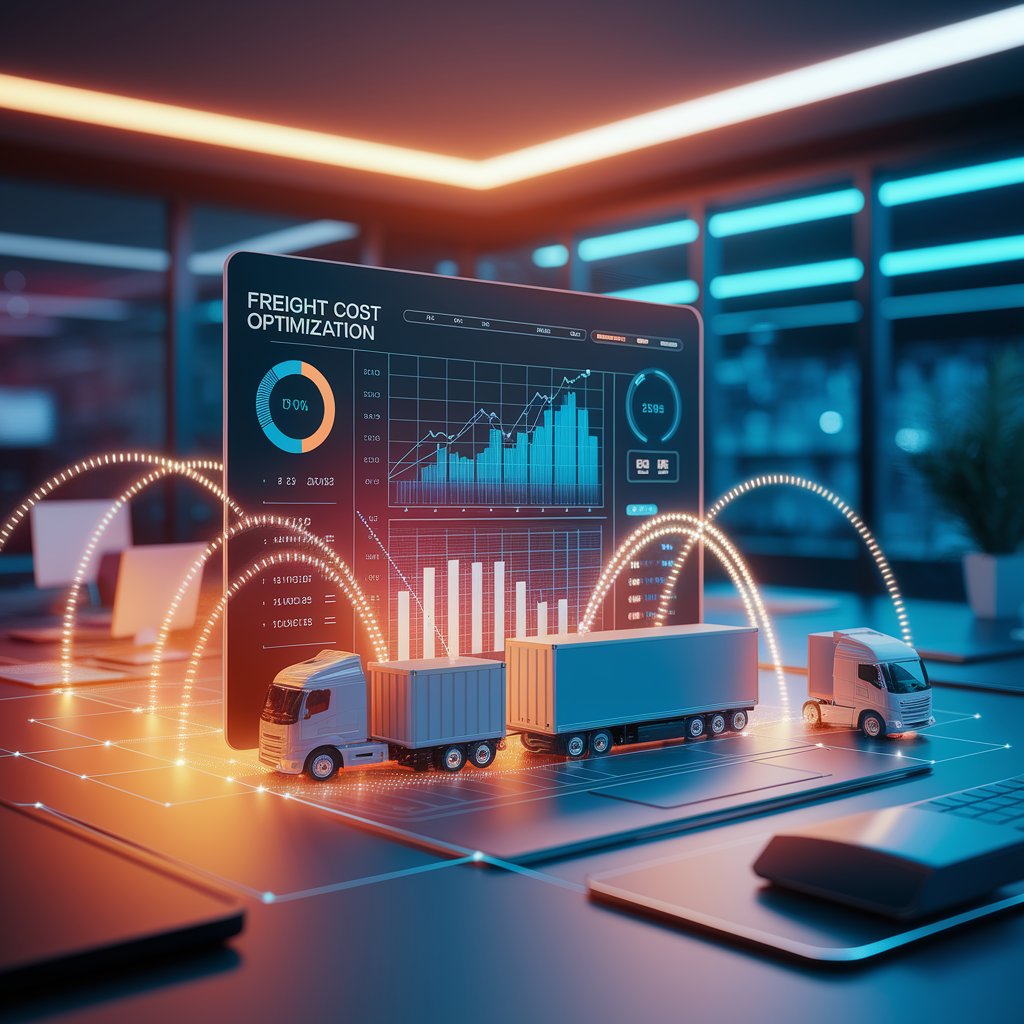
How to Implement Freight Cost Optimization Strategies
To implement freight strategies, follow these steps:
1️⃣ Analyze current freight costs
2️⃣ Identify inefficiencies and cost drivers
3️⃣ Implement a TMS or logistics software
4️⃣ Optimize routes and shipment planning
5️⃣ Continuously monitor and improve
Conclusion
Freight strategies are critical for businesses aiming to remain competitive in today’s logistics landscape. By improving efficiency, leveraging technology, and making smarter decisions, companies can significantly reduce costs while maintaining high service levels.
Investing in freight cost optimization strategies ensures long-term sustainability and operational success.