
Integrated Freight Management System: Unifying Logistics Operations in One Platform
By connecting operational data in real time, an integrated freight management system improves coordination, reduces manual work, and enhances overall logistics performance.

What Is an Integrated Freight Management System?
An integrated freight system is a centralized software solution designed to manage the full freight lifecycle — from booking to final invoicing.
Unlike standalone tools, this system integrates:
- Transportation Management Systems (TMS)
- Warehouse Management Systems (WMS)
- ERP and accounting platforms
- Carrier APIs and EDI connections
- Real-time tracking solutions
The result is a unified environment where freight processes are synchronized and transparent.
Why Integrated Freight Management Systems Matter in 2026
Logistics organizations today face:
- High shipment volumes
- Multimodal transportation complexity
- Increasing documentation requirements
- Rising operational costs
- Growing demand for real-time visibility
An integrated freight system enables companies to streamline operations and maintain control in complex supply chain environments.

Core Capabilities
1️⃣ Centralized Shipment Management
Handles booking, routing, and documentation within one interface.
2️⃣ Real-Time Visibility
Provides live tracking and performance monitoring.
3️⃣ Automated Workflow Coordination
Synchronizes approvals, billing, and notifications.
4️⃣ Performance Analytics
Tracks KPIs such as transit time, cost per shipment, and service levels.
5️⃣ Financial Integration
Connects freight operations directly with invoicing and accounting systems.
Benefits of an Integrated Freight Management System
- Reduced operational silos
- Faster shipment processing
- Improved data accuracy
- Lower administrative costs
- Enhanced collaboration between teams
- Greater scalability
Integration creates efficiency, transparency, and operational consistency.
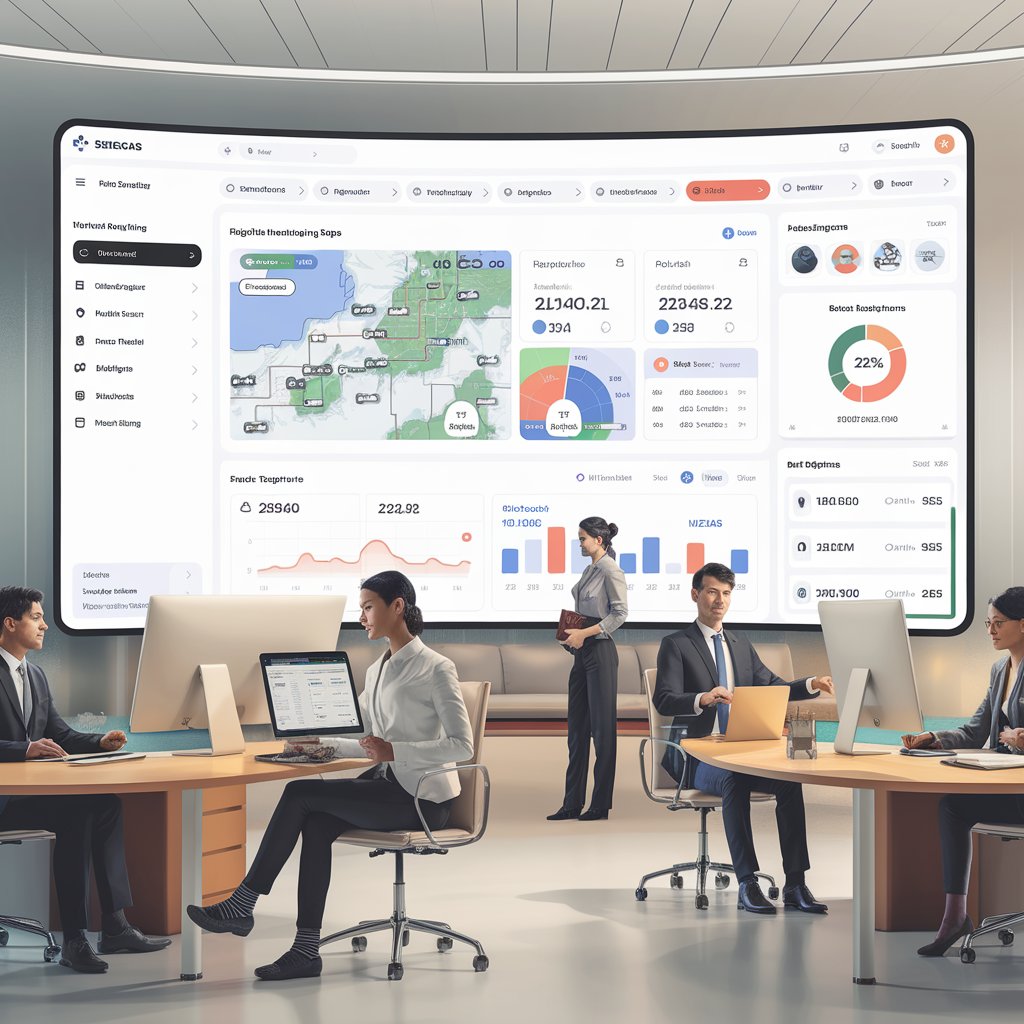
Integrated Freight Management System vs Disconnected Tools
Disconnected Systems | Integrated Freight Management |
Multiple manual processes | Unified digital workflows |
Data duplication | Centralized data management |
Limited visibility | Real-time operational dashboard |
Slow communication | Integrated coordination |
Reactive issue handling | Structured process control |
Integration transforms fragmented freight processes into streamlined execution.
Who Benefits Most?
- Freight forwarders
- 3PL providers
- Transportation brokers
- E-commerce logistics operators
- Global import/export companies
Organizations managing high shipment volumes gain measurable operational improvements.

Implementation Considerations
To deploy an integrated freight system successfully:
- Connect core logistics platforms (TMS, WMS, ERP).
- Standardize operational data inputs.
- Define key performance metrics.
- Configure automation workflows.
- Continuously monitor system performance.
Conclusion
An integrated freight system empowers logistics organizations to centralize operations, improve visibility, and optimize freight execution.
By aligning transportation, documentation, and financial processes in one platform, companies achieve efficiency, control, and long-term scalability.
In 2026, integrated freight management systems are essential for modern logistics management.