
AI Driven Logistics Planning: From Static Plans to Intelligent Decisions
AI driven logistics planning introduces intelligence into the planning stage. Instead of relying on fixed plans, logistics teams can use AI to evaluate options, predict outcomes, and choose the best path forward before execution begins.

Why Traditional Logistics Planning Falls Short
Traditional planning depends heavily on historical averages.
It assumes conditions will remain stable.
It cannot process multiple scenarios quickly.
When disruptions occur, plans break easily.
Teams are forced to react during execution.
This creates higher costs and operational stress.
What Makes AI Driven Logistics Planning Different
AI driven logistics planning uses learning models and real-time data.
It evaluates thousands of possible planning scenarios.
It understands constraints such as capacity, cost, and service levels.
It recommends plans based on current conditions, not assumptions.
Planning becomes dynamic, adaptive, and predictive.

Core Planning Capabilities Enabled by AI
- Demand Pattern Recognition
Detect changes earlier than manual analysis. - Capacity Forecasting
Align resources before shortages occur. - Scenario Comparison
Evaluate multiple plans side by side. - Risk-Aware Planning
Identify vulnerabilities before execution. - Continuous Plan Refinement
Update plans as new data arrives.
Business Benefits of AI Driven Planning
- Reduced Planning Errors
Fewer surprises during execution. - Lower Costs
Better use of capacity and resources. - Higher Service Reliability
More realistic delivery commitments. - Faster Planning Cycles
Decisions made in minutes, not days. - Greater Confidence
Plans backed by data, not intuition.
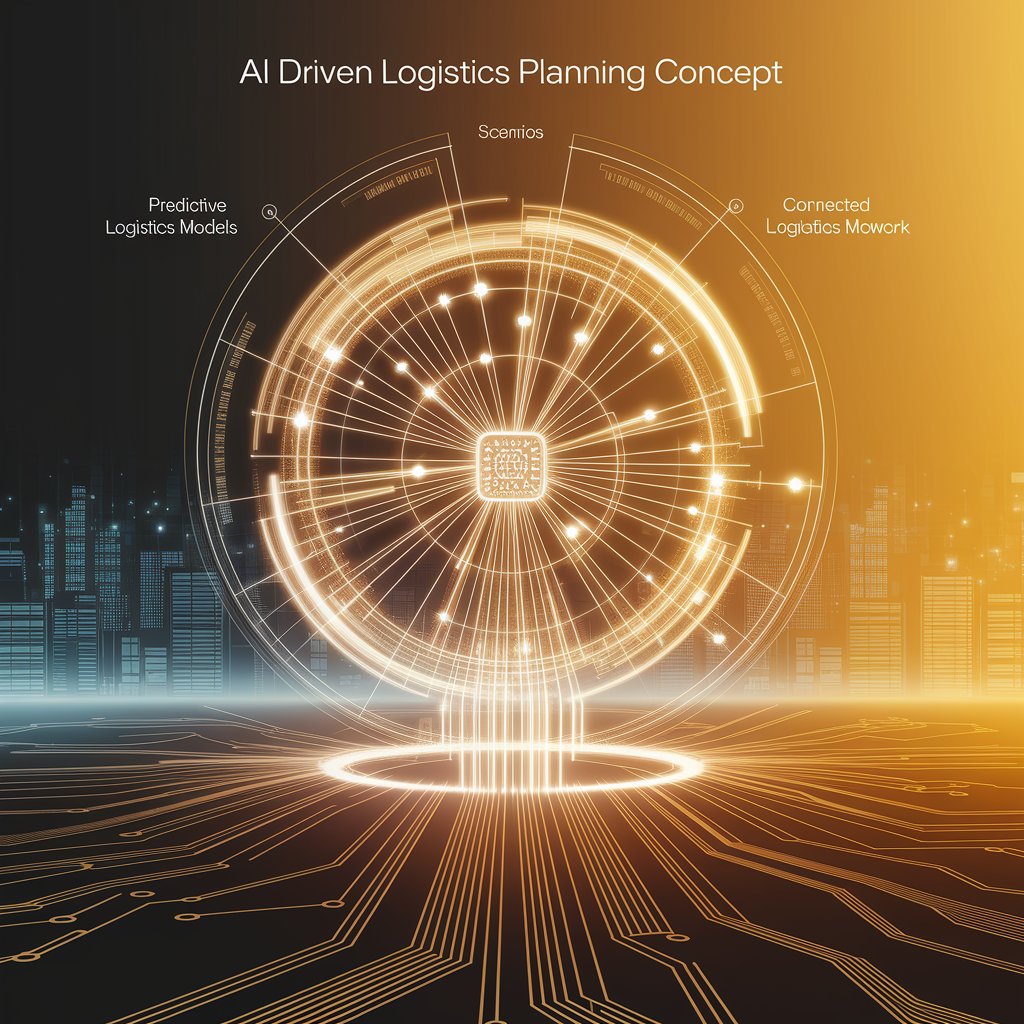
Real Logistics Planning Scenarios
- Transport Planning: Select optimal routes and modes
- Inventory Planning: Prepare stock for expected demand
- Network Design: Balance cost and service trade-offs
- Peak Season Preparation: Anticipate bottlenecks early
- Contingency Planning: Prepare alternatives before disruption
Planning as a Continuous Process
AI driven logistics planning is not a one-time activity.
Plans evolve continuously as conditions change.
Execution feedback improves future planning.
Planning and operations become tightly connected.
This creates a closed-loop planning model.
The Strategic Impact on Logistics Teams
Planning teams move from manual work to strategic oversight.
Decisions are supported by intelligence, not guesswork.
Cross-functional alignment improves.
Organizations become more agile and resilient.
Planning becomes a competitive advantage.
Conclusion
AI driven logistics planning transforms planning from a static exercise into an intelligent decision process. By predicting outcomes, evaluating scenarios, and adapting continuously, it reduces risk and improves operational performance.
In volatile supply chain environments, AI-driven planning is no longer optional—it is essential for building efficient, responsive, and future-ready logistics operations.