
Autonomous Logistics Intelligence: When Supply Chains Operate on Their Own
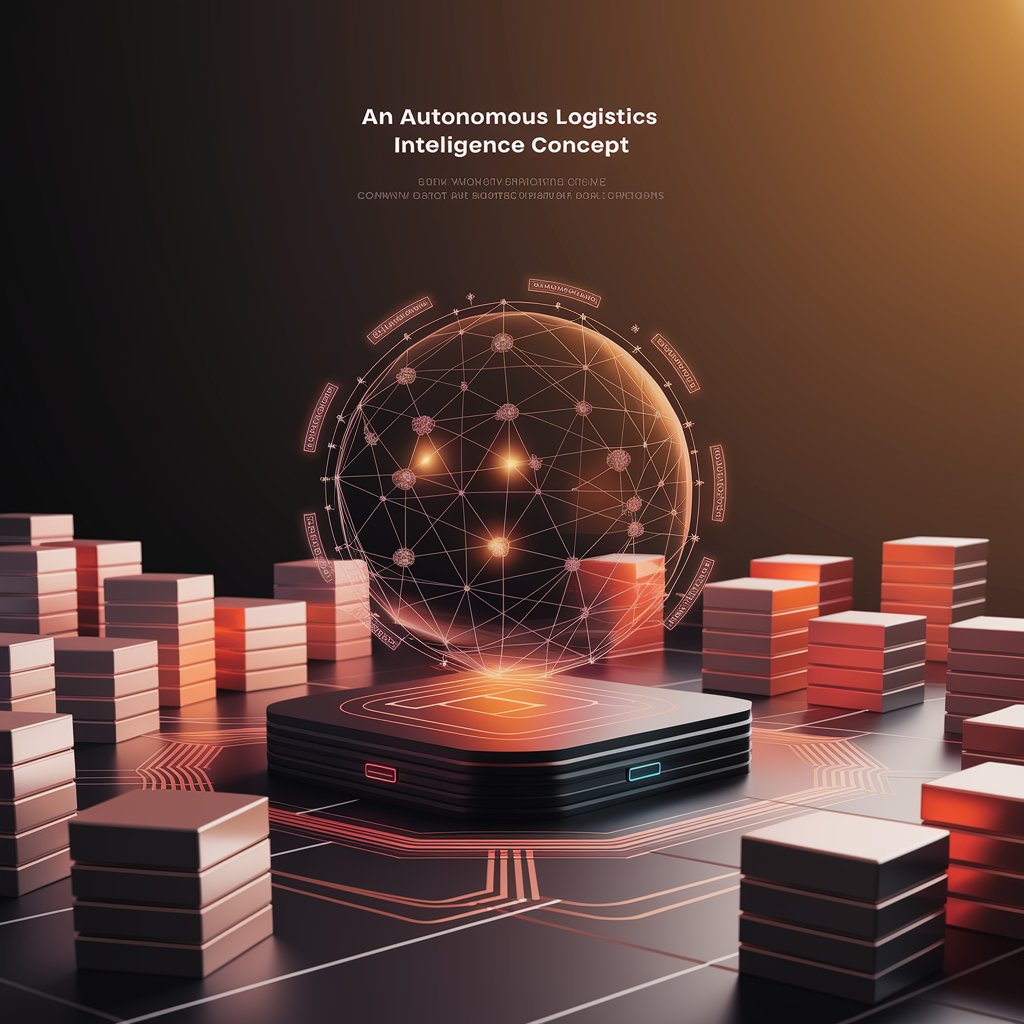
What Does “Autonomous” Mean in Logistics?
In logistics, autonomy means systems can operate without constant human input.
They observe operational data continuously.
They understand context and priorities.
They decide what action to take.
They execute changes automatically.
Autonomy does not remove humans—it removes unnecessary waiting.
How Autonomous Logistics Intelligence Is Built
Autonomous logistics intelligence is not a single technology.
It combines AI models, automation rules, real-time data, and orchestration layers.
AI analyzes patterns and predicts outcomes.
Rules define safe decision boundaries.
Automation executes actions instantly.
Orchestration ensures everything stays aligned.
Together, they enable independent operation.
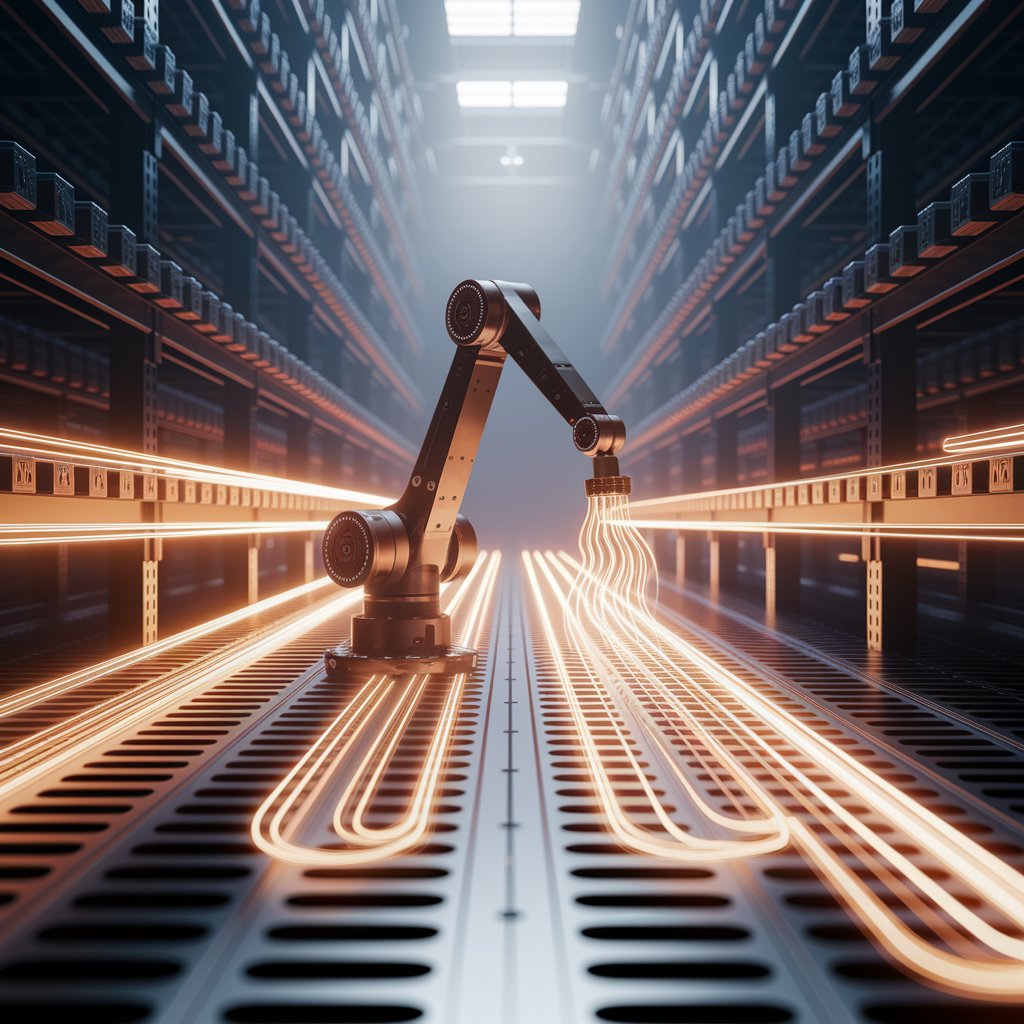
Core Capabilities of Autonomous Logistics Intelligence
- Self-Operating Decisions
Execute routine actions without approval. - Context Awareness
Understand priorities, risks, and constraints. - Real-Time Adaptation
Adjust plans as conditions change. - Predictive Control
Act before issues impact performance. - Governed Autonomy
Operate safely within defined limits.
Why Autonomy Matters in Logistics
- Speed: Decisions happen instantly
- Stability: Operations continue during disruptions
- Efficiency: Less manual coordination required
- Consistency: Decisions follow logic, not stress
- Scalability: Intelligence grows with volume
Autonomy turns logistics into a continuously running system, not a sequence of manual actions.

Practical Logistics Scenarios
- Transport Networks: Reroute shipments automatically
- Inventory Flows: Rebalance stock across locations
- Capacity Usage: Allocate space dynamically
- Exceptions: Resolve issues before escalation
- Global Operations: Maintain control across time zones
Autonomous Intelligence vs Traditional Control Models
Traditional logistics relies on human-triggered actions.
Autonomous intelligence relies on system-triggered execution.
Traditional control reacts after delays occur.
Autonomous systems prevent delays from happening.
This shift defines next-generation logistics performance.
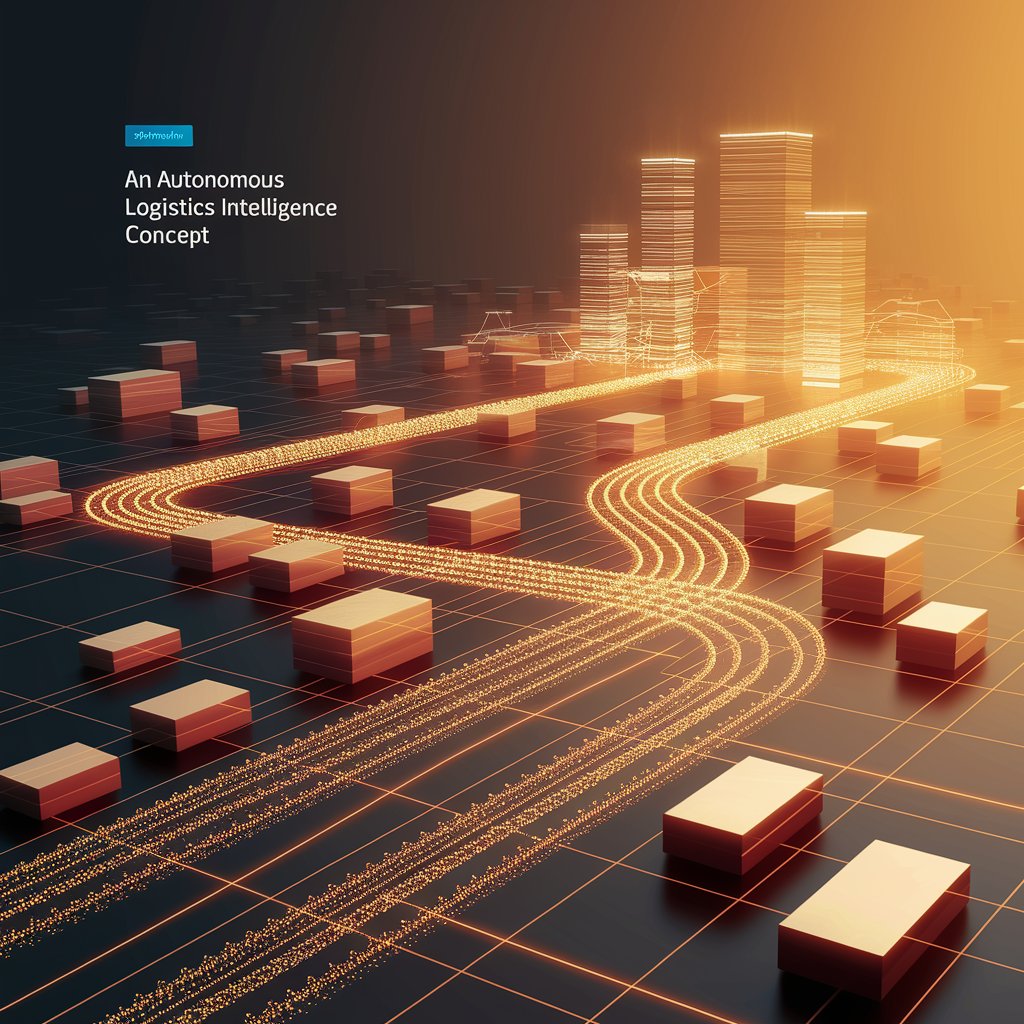
The Long-Term Impact on Supply Chains
As autonomous logistics intelligence matures:
Operations will run continuously without pauses.
Decision cycles will shorten dramatically.
Human teams will focus on strategy and governance.
Supply chains will become self-regulating ecosystems.
Autonomy will define competitive advantage.
Conclusion
Autonomous logistics intelligence marks the transition from assisted operations to self-operating supply chains. By enabling systems to decide and act independently, logistics organizations gain speed, resilience, and control at scale.
In a world where disruption is constant, autonomous intelligence is no longer optional—it is the foundation of modern, future-ready logistics operations.