
AI Logistics Orchestration: Coordinating Complex Supply Chains in Real Time
AI logistics orchestration brings order to this complexity. It acts as an intelligent coordination layer that aligns data, decisions, and actions across the entire logistics network—ensuring everything works together in real time.
What Is AI Logistics Orchestration?
AI logistics orchestration is the use of artificial intelligence to coordinate and synchronize logistics processes across multiple systems and stakeholders.
It connects transportation, warehousing, inventory, and customer workflows.
It understands dependencies between processes.
It ensures actions happen in the right sequence and at the right time.
Instead of isolated execution, orchestration enables end-to-end coordination.
How AI Logistics Orchestration Works
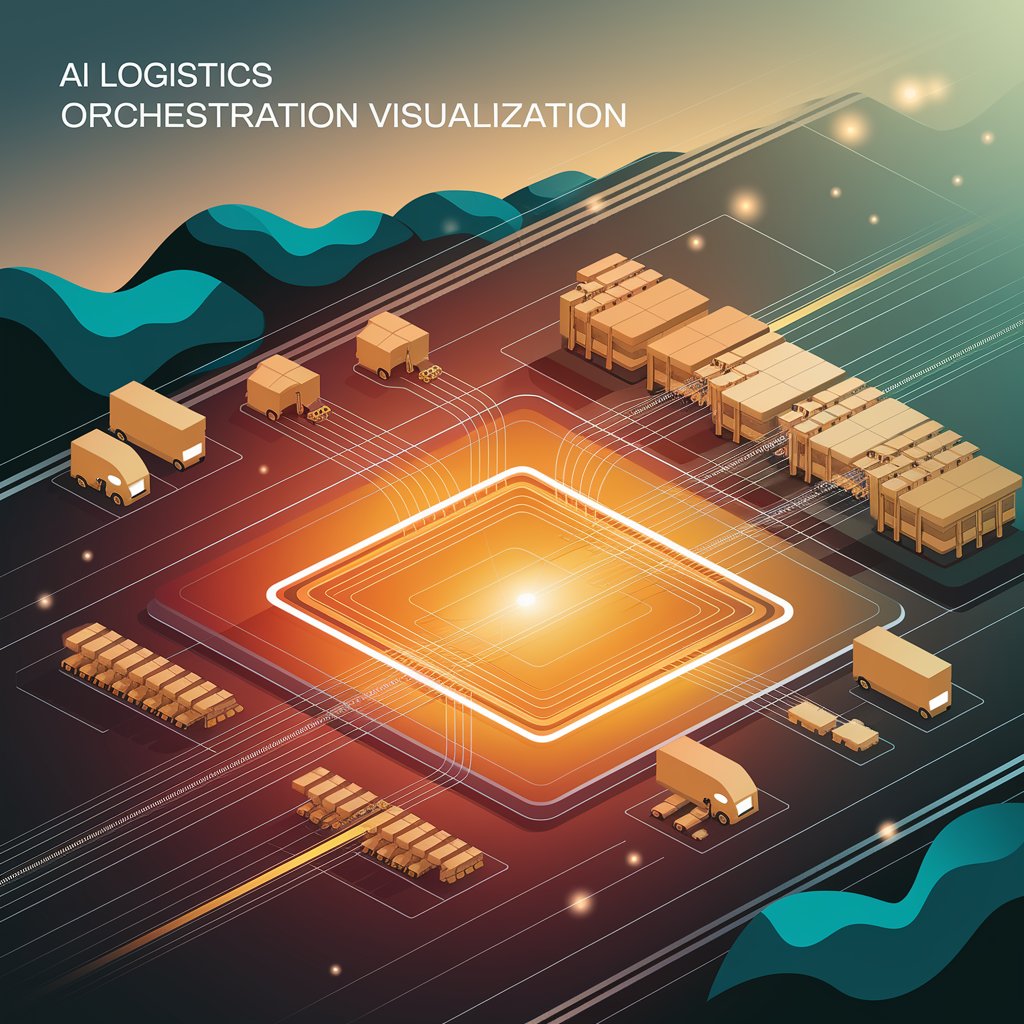
AI logistics orchestration operates as a central intelligence layer.
It collects data from multiple logistics systems.
It analyzes dependencies between shipments, inventory, and capacity.
It prioritizes actions based on goals and constraints.
It coordinates execution across teams and systems.
This keeps logistics operations aligned even as conditions change.
Core Capabilities of AI Orchestration
- End-to-End Coordination
Align transportation, inventory, and fulfillment. - Real-Time Decision Alignment
Ensure all systems act on the same information. - Dynamic Prioritization
Adjust workflows as conditions evolve. - Cross-System Integration
Connect TMS, WMS, ERP, and partner data. - Automated Workflow Execution
Trigger actions without manual handoffs.
Benefits for Logistics Operations
- Reduced Operational Friction across teams and systems
- Faster Response Times to disruptions
- Better Resource Utilization across the network
- Improved Visibility into end-to-end operations
- Scalable Coordination as complexity grows

Real-World Applications
- Intermodal Logistics: Coordinate handoffs between transport modes
- Warehouse Fulfillment: Align picking, packing, and shipping priorities
- Capacity Management: Balance resources across locations
- Exception Management: Resolve issues without manual escalation
- Customer Experience: Ensure consistent updates across channels
AI Orchestration vs Traditional Workflow Automation
Traditional automation focuses on individual tasks.
AI orchestration focuses on process coordination.
Automation executes steps in isolation.
Orchestration ensures every step works together.
This difference is critical in complex, multi-party logistics networks.
The Future of AI Logistics Orchestration
The future of AI logistics orchestration will involve AI agents, multi-agent coordination, and autonomous execution.
Orchestration layers will become more intelligent.
Decisions will be synchronized automatically.
Human teams will guide strategy and governance.
Logistics networks will operate as connected, intelligent systems.
Conclusion
AI logistics orchestration is essential for managing modern, complex supply chains. By coordinating systems, decisions, and workflows in real time, it reduces friction, improves efficiency, and increases resilience.
As operations become more interconnected, orchestration powered by AI will be the key to building agile, scalable, and future-ready supply chains.