
Cognitive Supply Chains: Learning, Adapting, and Improving in Real Time
Cognitive supply chains represent a new evolution. They do not just execute plans—they learn from data, adapt to change, and improve decisions continuously. By combining AI, analytics, and automation, cognitive chains bring intelligence directly into daily logistics operations.
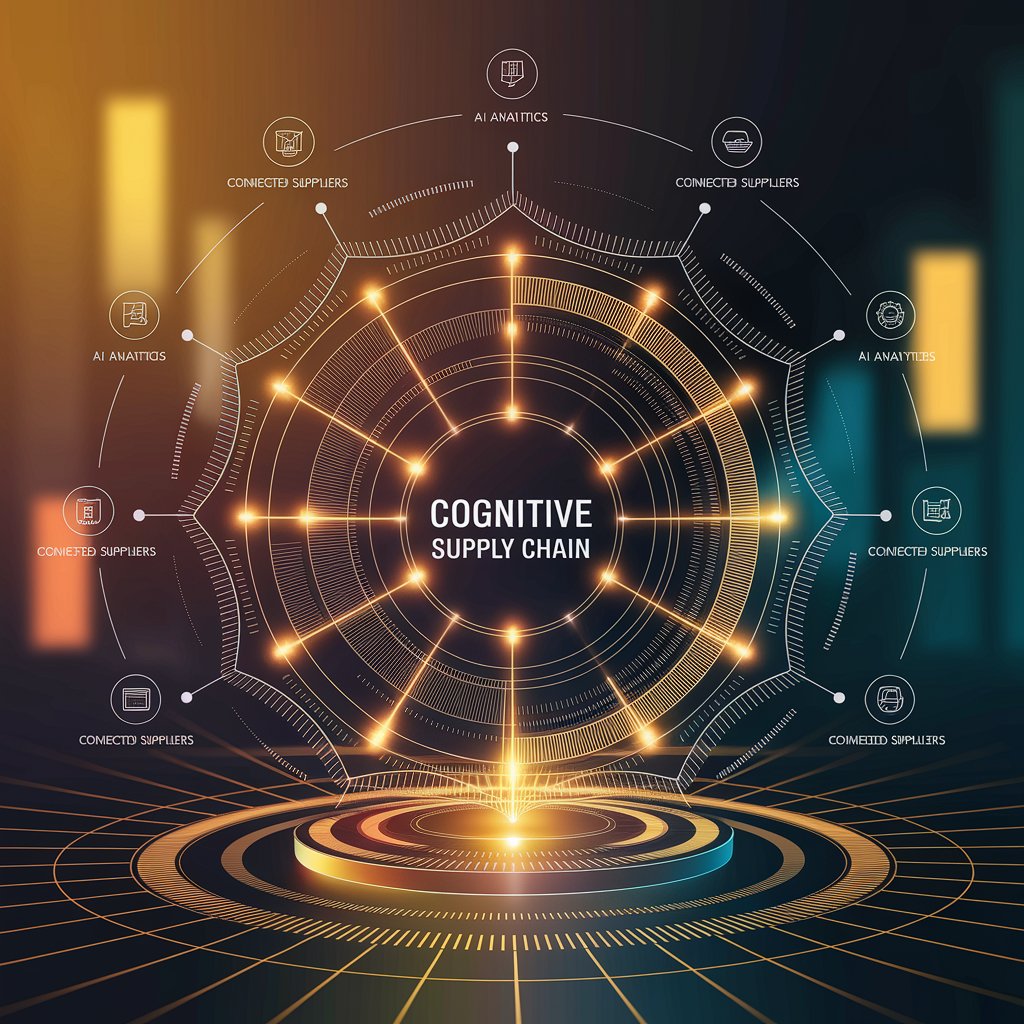
What Are Cognitive Supply Chains?
Cognitive supply chains are AI-driven supply chains that can sense, learn, and respond to changes in real time.
They analyze data from shipments, inventory, suppliers, and customers.
They recognize patterns and anomalies automatically.
They adjust plans as conditions evolve.
Instead of static execution, operate as living systems that improve over time.
Core Capabilities
- Real-Time Sensing
Monitor demand, supply, and disruptions continuously. - Learning Intelligence
Improve decisions based on past outcomes. - Adaptive Planning
Adjust routes, inventory, and capacity dynamically. - Predictive Awareness
Anticipate risks before they impact operations. - Automated Response
Trigger actions without waiting for manual input.

Benefits for Logistics and Supply Chain Teams
- Faster Adaptation to market and operational changes
- Lower Risk Exposure through early detection of issues
- Better Decision Quality powered by learning systems
- Improved Service Levels with more reliable delivery
- Greater Resilience during disruptions
Real-World Applications
- Demand Management: Adjust inventory as buying patterns shift
- Supply Planning: React quickly to supplier delays
- Transportation: Reroute shipments when disruptions occur
- Manufacturing: Align production with real-time demand
- Global Logistics: Coordinate complex, multi-region operations

Cognitive Supply Chains vs Traditional Supply Chains
Traditional supply chains follow instructions.
Cognitive supply chains understand context.
They learn from results instead of repeating the same rules.
They adapt continuously rather than relying on fixed plans.
This difference is critical in fast-changing global markets.
The Future of Cognitive Supply Chains
The future will be shaped by AI agents, real-time orchestration, and autonomous decision-making.
Supply chains will predict and prevent disruptions.
Planning and execution will merge into one continuous process.
Human teams will focus on strategy and innovation.
Supply chains will become self-learning and self-improving networks.

Conclusion
Cognitive supply chains transform logistics from reactive execution to intelligent adaptation. By learning from data and responding in real time, they improve efficiency, resilience, and decision-making across the supply chain.
As volatility increases, capabilities are becoming essential for organizations that want to build agile, future-ready supply chains.