
Intelligent Logistics Agents: Smarter Decisions Across the Supply Chain
Traditional systems can process data, but they often stop at reporting. Intelligent logistics agents go a step further. They analyze situations, make decisions, and take action automatically—helping supply chains operate faster, smarter, and with greater control.
What Are Intelligent Logistics Agents?
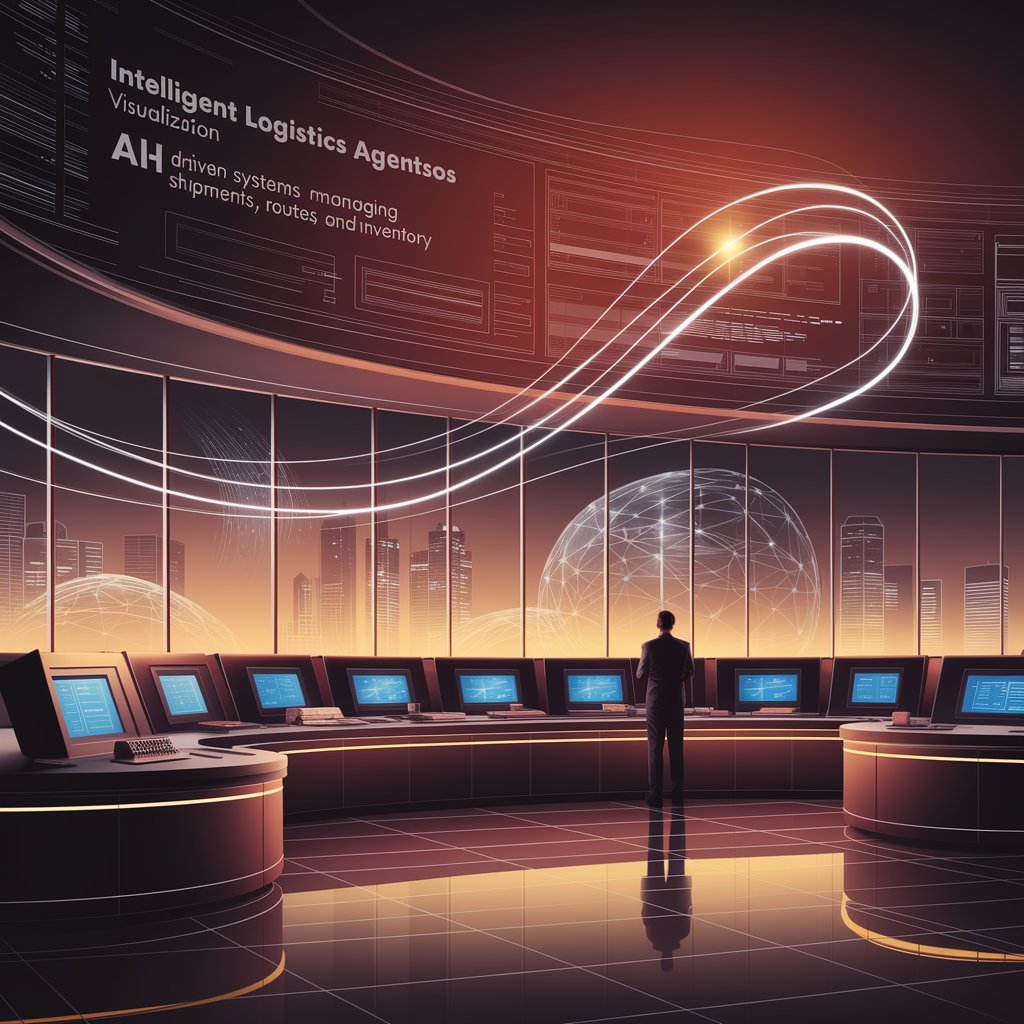
Intelligent logistics agents are AI-driven software entities designed to observe, decide, and act within logistics operations.
They monitor real-time data from shipments, inventory, routes, and carriers.
They evaluate conditions based on goals, rules, and learned patterns.
They take actions such as triggering alerts, adjusting plans, or executing workflows.
Instead of waiting for human input, they operate continuously and proactively.
How Intelligent Logistics Agents Work
Intelligent logistics agents follow a simple but powerful cycle.
They observe operational data in real time.
They analyze situations like delays, shortages, or cost spikes.
They decide the best response based on priorities and constraints.
They act automatically within defined limits.
Over time, they learn from outcomes and improve decisions.
This allows logistics operations to move from reactive to predictive.
Key Capabilities of Intelligent Logistics Agents
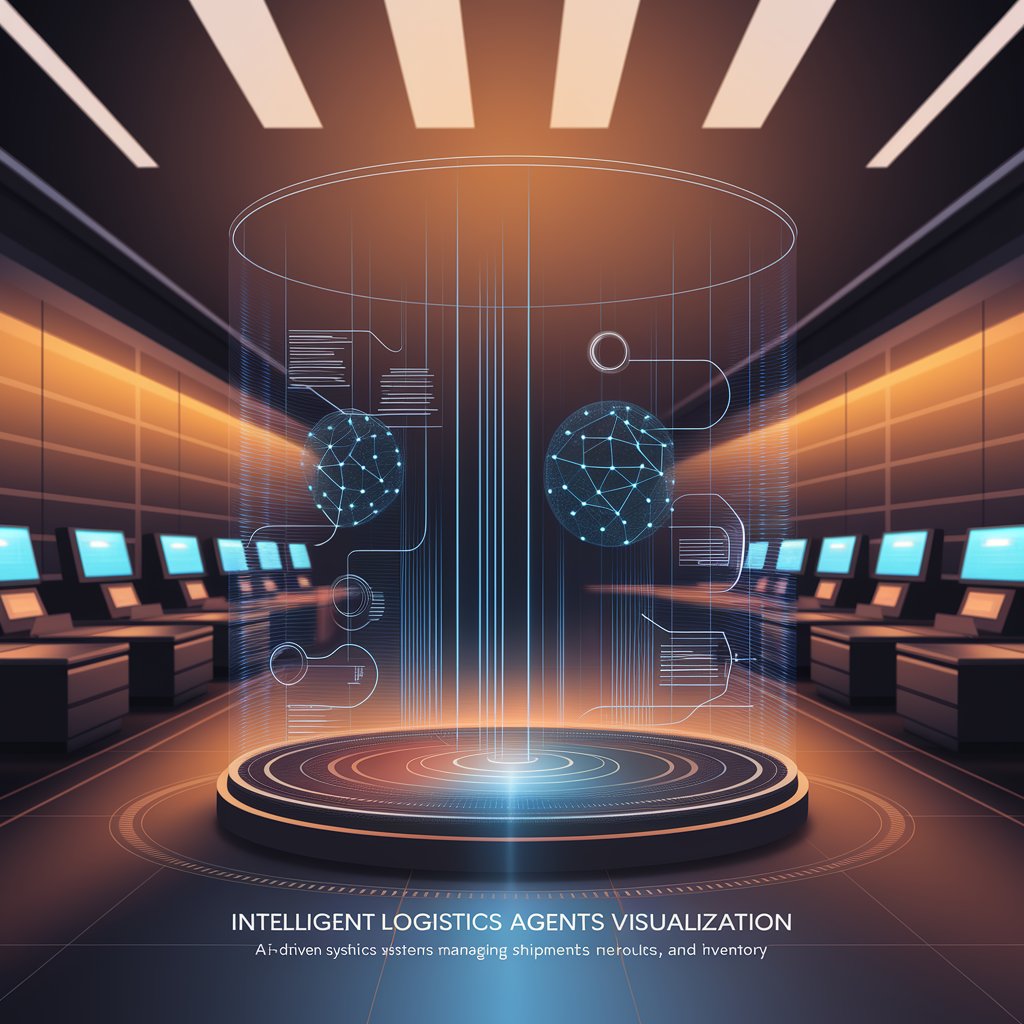
- Real-Time Monitoring
Track shipments, inventory, and capacity continuously. - Automated Decision-Making
Respond instantly to operational changes. - Predictive Intelligence
Anticipate issues before they occur. - Workflow Automation
Execute actions without manual intervention. - Cross-System Coordination
Connect data across logistics platforms.
Benefits for Logistics Operations
- Faster Response Times to disruptions
- Lower Operational Costs by reducing manual effort
- Higher Accuracy in planning and execution
- Improved Visibility across the supply chain
- Scalable Operations as shipment volumes grow

Practical Applications in Logistics
- Shipment Monitoring: Detect delays and trigger corrective actions
- Routing Decisions: Adjust routes dynamically based on conditions
- Inventory Management: Maintain optimal stock levels automatically
- Capacity Planning: Allocate resources more efficiently
- Customer Updates: Provide real-time shipment information
The Future of Intelligent Logistics Agents
The future will focus on greater autonomy and collaboration.
Multiple agents will work together across planning and execution.
Agents will coordinate shipments, inventory, and compliance automatically.
Human teams will focus on strategy and oversight.
Supply chains will evolve into self-optimizing networks driven by intelligent agents.

Conclusion
Intelligent logistics agents represent a major shift in how supply chains operate. By combining real-time monitoring, automated decision-making, and continuous learning, they help logistics organizations reduce costs, improve reliability, and scale efficiently.
As supply chains grow more dynamic, are becoming a foundational capability for building resilient, future-ready logistics operations.