
Multi-Agent Systems in Logistics: Coordinated Intelligence at Scale
Multi-agent systems in logistics offer a smarter approach. Instead of relying on one central system, multiple AI agents work together, each focused on a specific task, while coordinating decisions across the supply chain.

What Are Multi-Agent Systems in Logistics?
Multi-agent systems in logistics are networks of AI agents that operate independently but collaborate toward shared goals.
Each agent has a specific responsibility, such as routing, inventory, or shipment monitoring.
Agents observe their own data and environment.
They communicate with other agents to align decisions.
Together, they create coordinated and adaptive logistics operations.

How Multi-Agent Systems Work
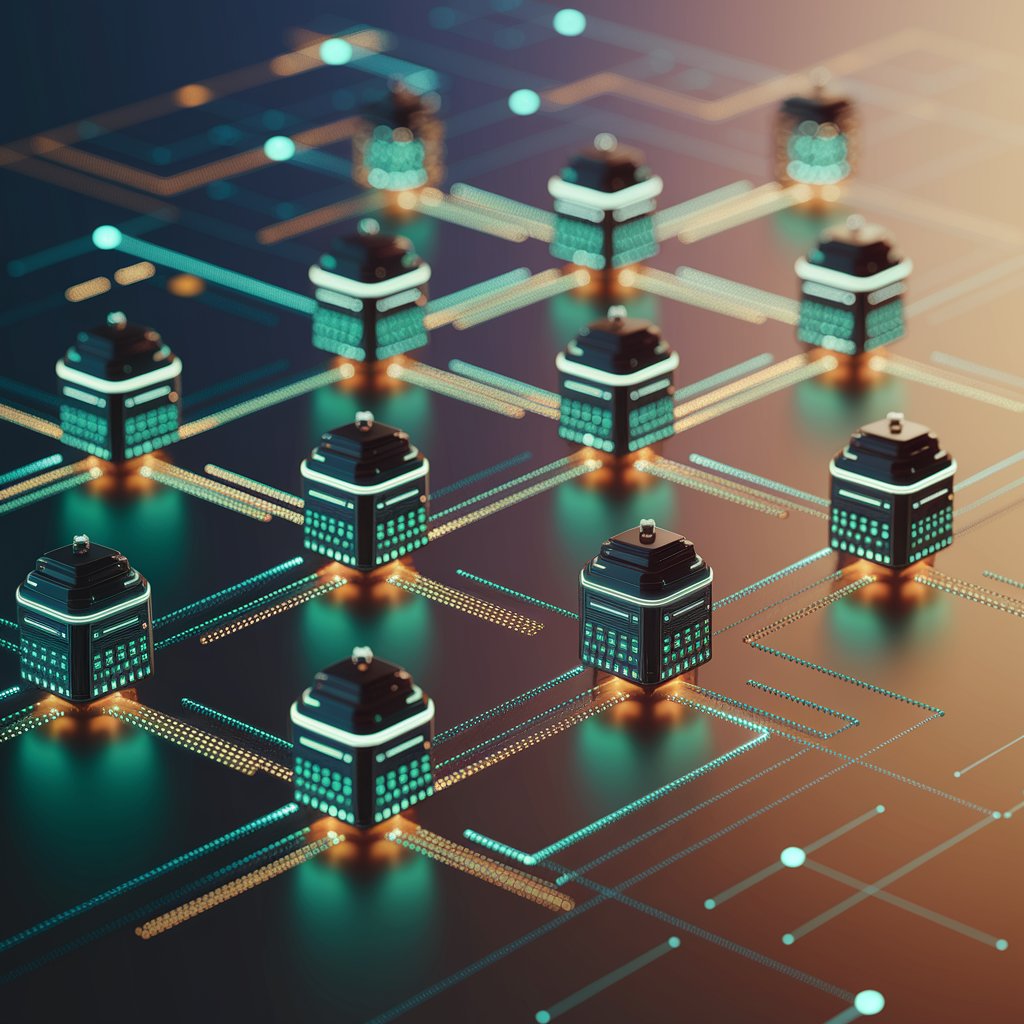
Multi-agent systems function through distributed intelligence.
Each agent monitors real-time data within its domain.
Agents share relevant information with others.
Decisions are made locally but aligned globally.
If conditions change, agents adjust their actions immediately.
This structure allows logistics networks to respond faster and more efficiently.
Key Benefits of Multi-Agent Systems in Logistics
- Better Coordination
Agents work together instead of in silos. - Faster Decisions
No need to wait for centralized approval. - Higher Resilience
Operations continue even if one agent fails. - Scalability
Add new agents as operations grow. - Continuous Optimization
Improve performance in real time.

Practical Logistics Use Cases
- Routing Agents: Optimize transport paths dynamically
- Inventory Agents: Balance stock across locations
- Capacity Agents: Allocate space and resources efficiently
- Compliance Agents: Monitor regulatory requirements
- Customer Service Agents: Provide shipment updates instantly
Humans and Multi-Agent Systems
Multi-agent systems do not replace logistics teams.
Humans define objectives, rules, and priorities.
Agents execute decisions within these boundaries.
Teams step in only for complex or strategic situations.
This creates human-led, AI-supported logistics operations.
The Future of Multi-Agent Systems in Logistics
The future of multi-agent systems will focus on greater autonomy and collaboration.
Agents will negotiate decisions with each other.
Systems will adapt continuously to demand and disruptions.
Supply chains will become self-coordinating networks.
This shift will reduce operational friction and improve resilience.
Conclusion
Multi-agent systems in logistics enable coordinated, intelligent decision-making across complex supply chains. By allowing multiple AI agents to work together, logistics operations become faster, more flexible, and more resilient.
As supply chains continue to grow in complexity, will play a key role in building scalable, future-ready logistics networks.