
Automated Inventory Management: Powering Accuracy and Control in Logistics

What Is Automated Inventory Management?
Automated inventory management is the use of digital systems to track and control inventory automatically, without relying on manual updates.
Every inventory movement—receiving, storing, picking, or shipping—is recorded instantly. This keeps stock data accurate at all times.
The system monitors inventory levels continuously, across warehouses and locations, creating a single, reliable view of stock.
When inventory reaches predefined limits, replenishment actions are triggered automatically, reducing the risk of shortages or excess stock.
Advanced platforms use historical data and real-time signals to anticipate future inventory needs.
If something goes wrong—unexpected drops, delays, or mismatches—the system alerts teams immediately.
In short, inventory becomes visible, predictable, and easier to control.
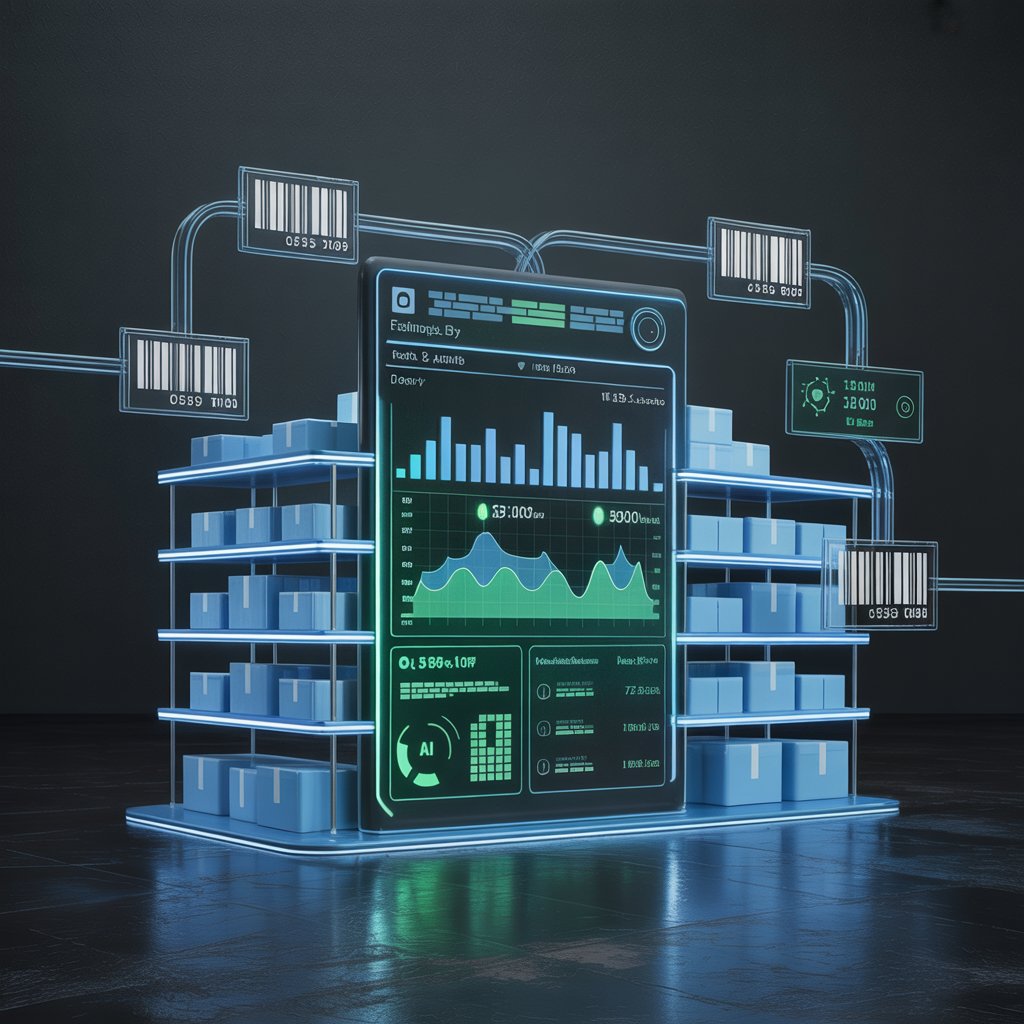
Key Features of Automated Inventory Management
- Real-Time Inventory Visibility
Always know what is in stock and where it is. - Automated Replenishment
Restock automatically based on rules or demand trends. - Demand Forecasting
Prepare inventory in advance instead of reacting late. - System Integration
Connect inventory with WMS, ERP, and order systems. - Inventory Alerts
Get notified before problems impact operations.
Benefits for Logistics Providers
- Lower Costs by reducing overstock and emergency replenishment
- Higher Accuracy with fewer manual errors
- Faster Operations across warehouses and fulfillment
- Better Customer Experience with improved product availability
- Scalable Growth without increasing manual workload
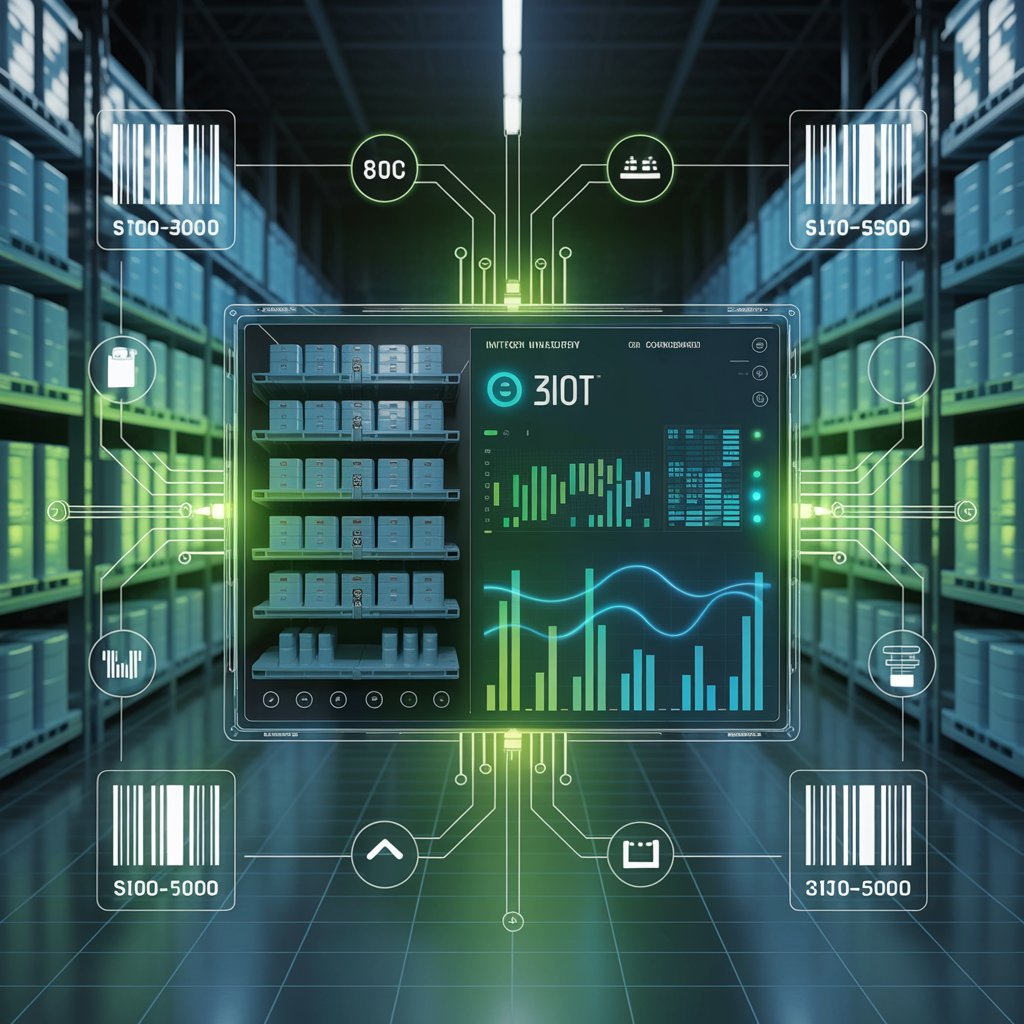
Real-World Applications
- Freight Forwarders: Align inventory with outbound shipment schedules
- 3PL Providers: Offer clients real-time inventory visibility
- E-commerce: Avoid stockouts during promotions and peak seasons
- Manufacturing: Ensure materials are available on time
- Cold Chain Logistics: Track sensitive inventory with compliance control
The Future of Automated Inventory Management
The future of automated inventory management will rely on AI, IoT, and predictive analytics.
AI will continuously adjust stock levels.
IoT sensors will monitor inventory conditions in real time.
Predictive models will help companies prepare before demand shifts.
The result will be self-adjusting inventory systems that respond automatically to change.

Conclusion
Automated inventory management makes inventory control simpler, faster, and more reliable. By replacing manual tracking with real-time automation, logistics providers reduce costs, improve accuracy, and scale operations with confidence.
For modern logistics teams, automation is no longer optional—it is the foundation of efficient and resilient inventory operations.