
How to Send Freight: Step-by-Step Guide for Smooth and Efficient Shipping
📦 What Is Freight Shipping?
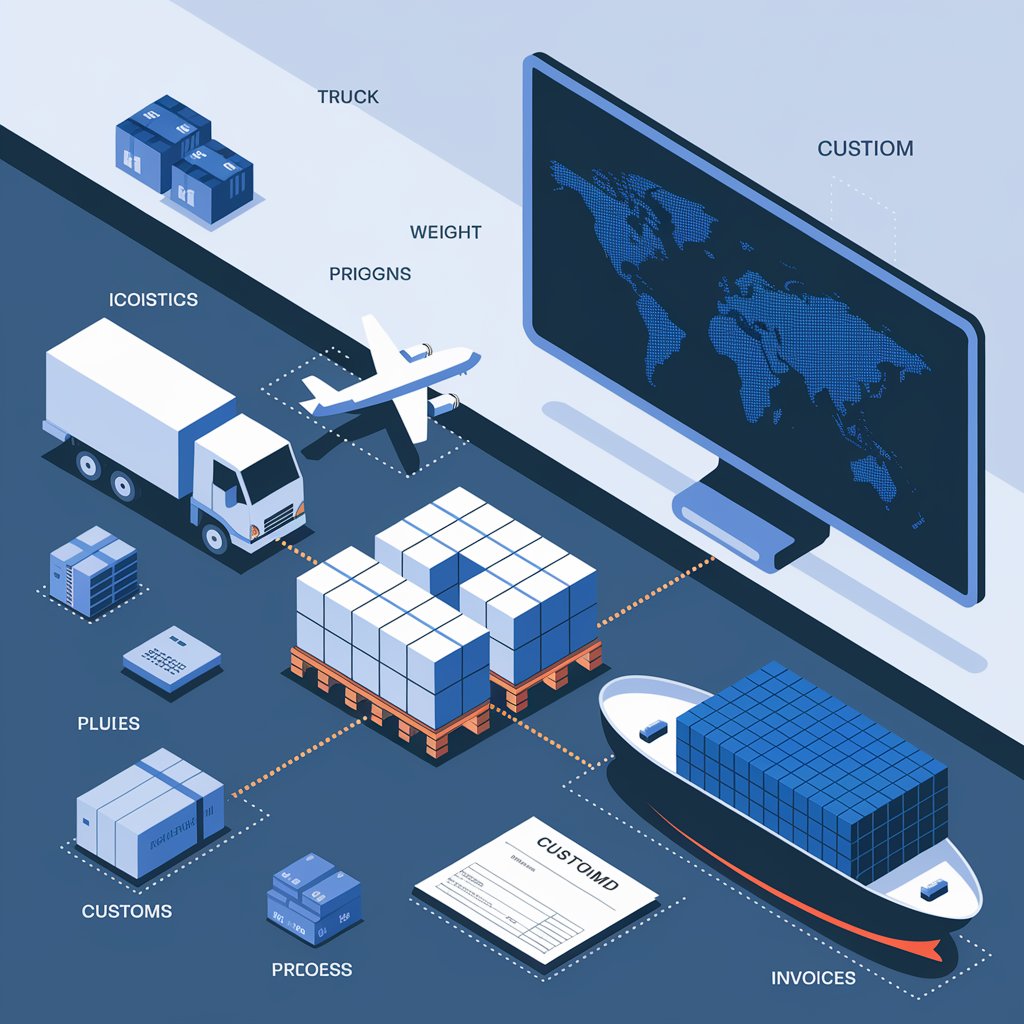
Freight shipping is the process of transporting large quantities of goods—usually over 150 lbs or more—via truck, plane, ship, or train. It’s commonly used for B2B deliveries and involves complex coordination between shippers, carriers, and logistics providers.
Unlike parcel shipping, freight requires planning, paperwork, and choosing the right mode of transport.
🧭 Step-by-Step: How to Send Freight
1. Determine What You’re Shipping
Start with the basics:
- 📏 Size and dimensions (Length x Width x Height)
- ⚖️ Total weight
- 📦 Type of packaging (pallets, crates, drums, etc.)
- 🔒 Special handling needs (fragile, hazardous, temperature control)
These details will affect your freight class, cost, and transport options.
2. Choose the Right Freight Mode
Mode | Best For | Average Time |
🚛 LTL (Less Than Truckload) | Small shipments under 10 pallets | 2–5 days (domestic) |
🚚 FTL (Full Truckload) | Large, direct loads | 1–4 days |
✈️ Air Freight | Urgent or high-value cargo | 1–3 days |
🚢 Ocean Freight | International, bulk, cost-sensitive | 20–40 days |
🚆 Rail Freight | Long-distance, large volumes | 3–10 days |
Choosing the right mode balances cost, speed, and reliability.
3. Package and Label Your Freight
Proper packaging ensures your freight is protected and compliant:
- 🪵 Use pallets or crates to stabilize loads
- 🏷️ Apply labels with addresses and tracking info
- 🔐 Secure with shrink wrap, straps, or corner guards
- 💡 Tip: Follow ISPM-15 rules for international wood packaging
4. Get a Freight Quote
Freight rates vary based on:
- 🚚 Distance and route
- ⚖️ Weight and size
- 💨 Speed (standard vs expedited)
- ⛽ Fuel surcharges
- 📆 Seasonality
💻 Use online platforms like Linbis or other freight brokers to compare rates and book shipments in real time.
5. Prepare Shipping Documents
Depending on where and how you’re shipping, you’ll need:
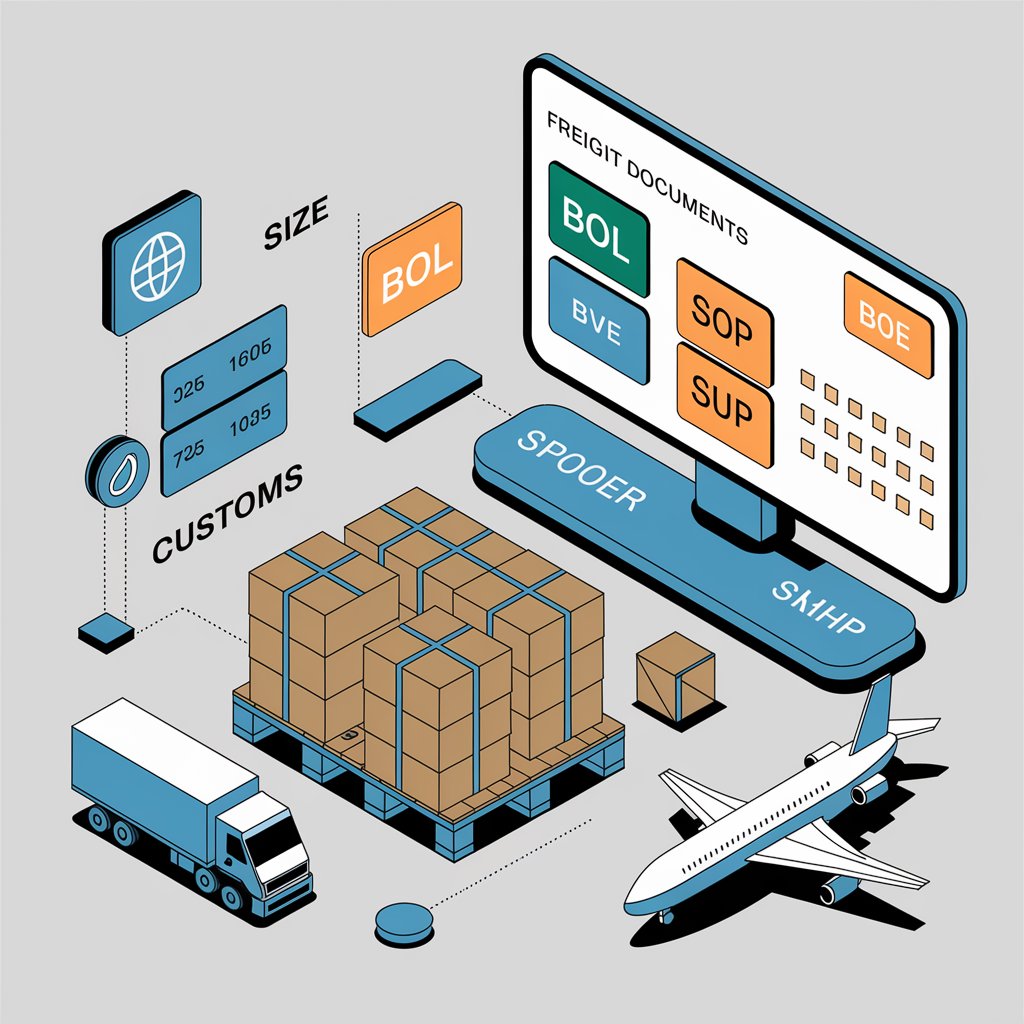
- 🧾 Bill of Lading (BOL) – Contract between you and the carrier
- 📋 Commercial Invoice – For international trade
- 🧭 Packing List – Lists contents, weights, and packaging
- 📄 Certificates – For hazardous, organic, or regulated goods
- 🛃 Customs Documents – If shipping across borders
Missing documents = shipment delays.
6. Schedule Pickup and Delivery
Coordinate with your carrier or freight forwarder:
- 📅 Set pickup and drop-off dates
- 🕘 Confirm dock hours and equipment needs (liftgate, pallet jack)
- 🧾 Provide BOL to the driver at pickup
Clear communication avoids missed pickups or extra fees.
7. Track Your Freight
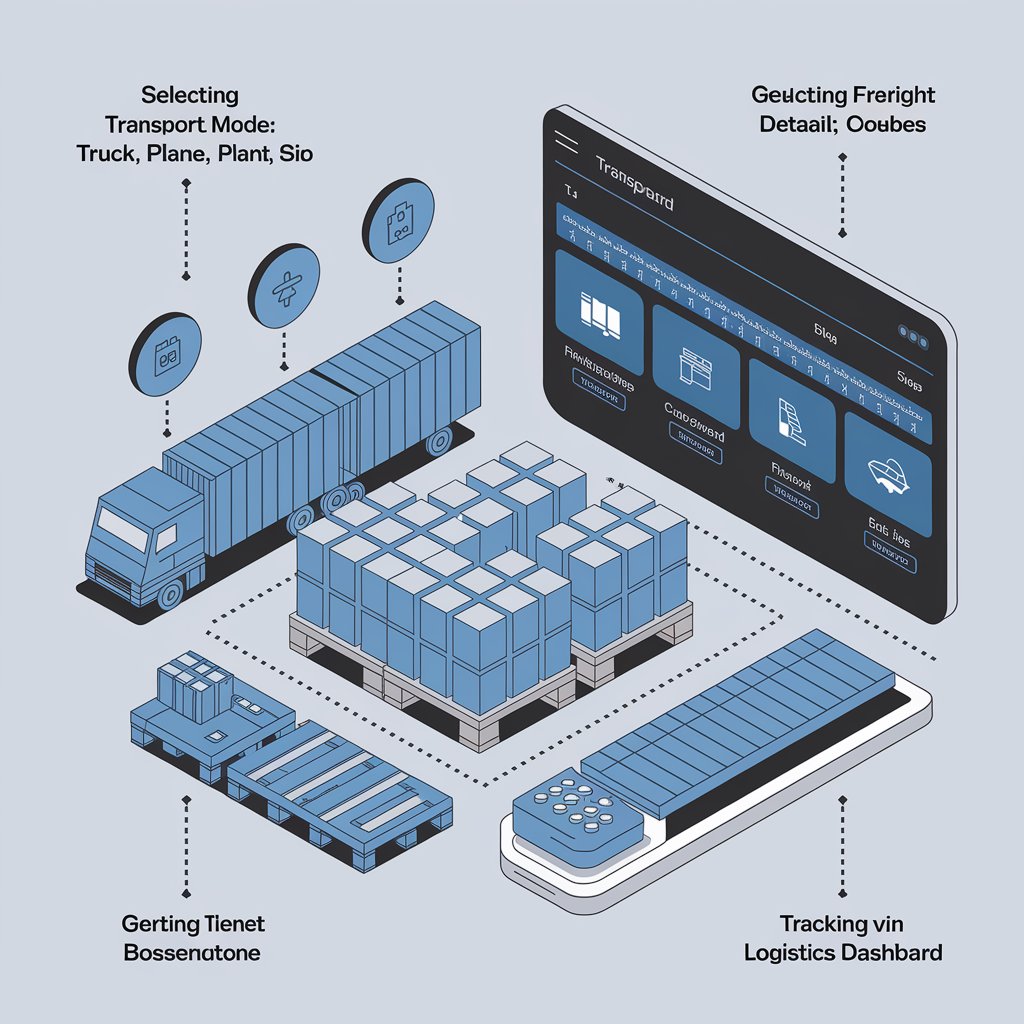
Use your carrier’s tracking number or portal to follow shipment progress. Some platforms offer:
- 📍 Real-time GPS tracking
- 📬 Email or SMS alerts
- 📊 Status dashboards
Proactive tracking builds trust with your customers.
Receive and Inspect the Delivery
Upon arrival:
- ✅ Check for damage or shortages
- 📸 Take photos of any visible issues
- 🖊️ Sign the Proof of Delivery (POD) only if everything is correct
- 📞 Report claims immediately to the carrier if needed
🧠 Tips for First-Time Freight Shippers
- 📦 Don’t underestimate packaging—secure it well
- 📋 Double-check all paperwork before pickup
- 💬 Work with a reliable freight forwarder or 3PL
- 📲 Use freight software to simplify quoting, booking, and tracking
- 💵 Insure high-value shipments—it’s worth it
🏁 Final Thoughts
Knowing how to send freight is about more than just loading boxes onto a truck. It’s about preparation, compliance, choosing the right partners, and using the right tools.
Whether you’re shipping across town or across the ocean, mastering freight shipping helps you reduce costs, avoid delays, and keep customers happy.
📦 Ready to move freight smarter? Start with a digital freight platform and get quotes, documents, and tracking in one place.