
Freight Brokerage: What It Is, How It Works, and How to Get Started
What Is Freight Brokerage?
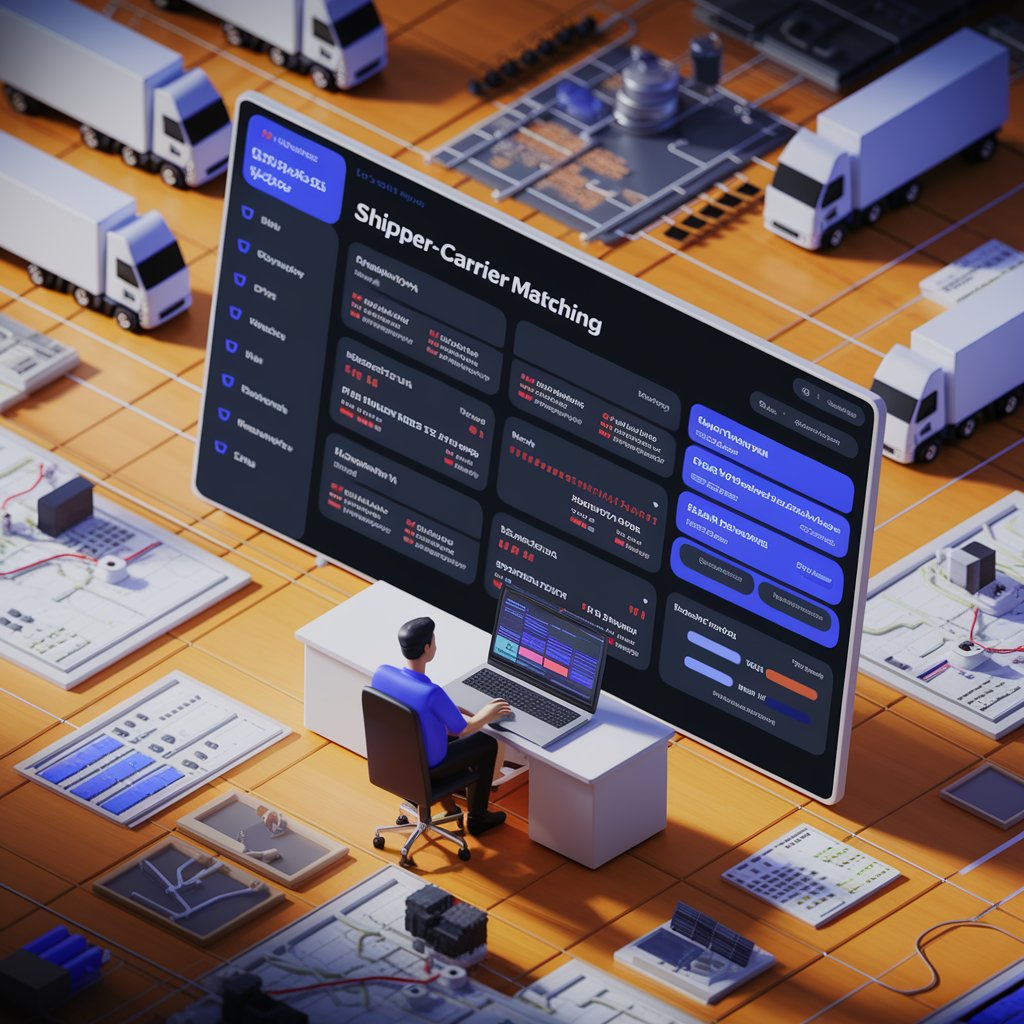
A freight brokerage is a business that connects shippers (who have freight to move) with carriers (who have trucks to haul it). Brokers don’t own the trucks — instead, they leverage their network and logistics know-how to get freight moved efficiently and cost-effectively.
They handle:
- 🧾 Rate negotiation
- 🛠️ Load booking
- 📋 Documentation
- 📡 Shipment tracking
- 🤝 Conflict resolution
Essentially, freight brokers reduce friction in the supply chain.
How Does a Freight Broker Work?
Here’s a simple breakdown of the freight broker workflow:
- A shipper requests a quote for moving freight.
- The broker sources available carriers based on cost, route, and timing.
- The load is booked, and both shipper and carrier receive confirmation.
- The carrier transports the freight, while the broker provides updates.
- The broker handles invoicing and follow-up.
Think of it as freight matchmaking + customer service + logistics management, all rolled into one.
What You Need to Start a Freight Brokerage
Setting up a freight brokerage business requires some groundwork. Here’s your starter checklist:
✅ Business registration (LLC, Corp, etc.)
✅ Freight Broker License (FMCSA Form OP-1)
✅ USDOT Number and MC Number
✅ Surety Bond (BMC-84) – minimum $75,000
✅ BOC-3 filing (legal agent designation)
✅ Freight broker software or TMS
✅ Office setup (remote or physical)
✅ Carrier and shipper onboarding process
📍 Pro tip: Many brokers launch from home with cloud-based software and scale as their client base grows.
Software Tools to Run a Modern Brokerage
To succeed in 2025, you’ll need more than a phone and a spreadsheet. These tools are essential:
Tool Type | Why You Need It |
🚀 TMS (Transportation Management System) | Centralizes operations |
💬 CRM | Manages leads, clients, and follow-ups |
📑 Document automation | Speeds up contracts and invoicing |
📡 Real-time tracking | Gives visibility to shippers |
📈 Analytics | Helps optimize pricing and performance |
Modern freight brokerages use tools like Linbis to connect, automate, and scale operations efficiently
Who Uses Freight Brokerage Services?
Freight brokers serve a variety of customers:
- 🏢 Manufacturers
- 🛒 Retailers and eCommerce stores
- 🏗️ Construction companies
- 🏥 Medical and pharmaceutical shippers
- 🌾 Agricultural suppliers
They all rely on fast, flexible, and affordable transportation — exactly what brokers are built to deliver.
Advantages of Becoming a Freight Broker
Launching a freight brokerage can be highly profitable, especially with low startup costs and high demand. Here are key benefits:
- 💼 Be your own boss
- 🧩 Work from anywhere
- 🔄 Serve diverse industries
- 📦 Build residual income with repeat clients
- 🚀 Scale without owning trucks
Plus, it’s a great entry point into the broader logistics and supply chain industry.

Challenges to Be Aware Of
Like any business, brokerage comes with hurdles:
- ❗ Managing carrier reliability
- ❗ Handling last-minute cancellations
- ❗ Complying with regulations
- ❗ Building trust with shippers
The solution? Strong processes, good tech, and clear communication.
🏁 Final Thoughts
A freight brokerage isn’t just a middleman — it’s a strategic partner in the supply chain. With the right tools, licensing, and focus, you can build a successful brokerage that delivers real value to shippers and carriers alike.